AI Won’t Replace Accountants. Instead, It Will Rewire the Business Model.
This is a preview. The complete episode is first available exclusively to PRO Members | Go PRO here
Sponsored by The Balanced Millionaire: The Advisor Edition by Dr. Jackie Meyer | See Today’s Special Offer
Subscribe to CPA Trendlines podcasts anywhere: Apple, Google/YouTube, Spotify, iHeart, Deezer, Amazon Music, Audible, Player FM, Audacy, RSS.
Big 4 Transparency
With Dominic Piscopo, CPA
Jody Padar, widely known as “The Radical CPA” and author of Radical Pricing, argues the future of accounting won’t be won by automation alone, but by a business model shift that elevates human judgment, advisory, and client relationships.
MORE Dominic Piscopo | AI | Pay & Compensation
In the new episode of the Big 4 Transparency Podcast, Padar joins host Dominic Piscopo to trace her path from early cloud-firm pioneer to venture-backed operator and to explain why her newest venture, Xcel Labs, is focused on training CPAs to think and lead differently in an AI-first world. Xcel Labs’ Navi aims to build empathy and leadership at scale.
Padar’s credibility in the accounting technology conversation stems from lived experience on both sides of the table. After building and running a cloud-based firm as early as 2009, she sold her practice in 2020 and moved into the startup ecosystem, taking roles at VC-backed companies, including Botkeeper and April, which gave her a close view of how machine learning and AI products are developed, shipped, and adopted. AI will materially change the work CPAs do. Not in decades, but within a few short years.
In Padar’s view, many AI products in accounting are targeting the wrong audience. The market message has largely been “automate the work” or “remove the job.” But Padar believes the framing misses the profession’s primary differentiator. “Ask CPAs what they love, and they say they love their clients,” she says, pointing to a relationship-driven identity. The strategic question, then, isn’t how to replace the CPA, but how to amplify what only CPAs can deliver: trusted advisory built on empathy and high-context client conversations.
That thesis became the foundation for Xcel Labs’ flagship product, Navi, which Padar describes as an emotionally intelligent AI agent built to help professionals strengthen leadership and advisory skills faster than traditional apprenticeship models allow.
Historically, CPAs learned advisory skills through “osmosis” listening outside a partner’s door, shadowing conversations, and gradually building confidence over a decade.
Padar argues that today’s environment of remote teams, talent shortages, and accelerated promotion timelines has eliminated many of those learning pathways. Navi, she says, is designed to close that gap by providing continuous, unbiased feedback and structured practice that helps staff develop advisory readiness earlier in their careers.
Padar also links the rise of AI to a looming shift in how firms measure performance and profitability. As work that once took hours drops to “three seconds,” she argues, firms need alternatives to time-based evaluation—and to time-based billing itself.
Navi’s scoring and feedback model, she suggests, creates a new way to quantify value: not in minutes spent, but in the quality of client interactions, leadership presence, and advisory outcomes. In other words, the same “radical pricing” logic – measuring outcomes over inputs – could become a practical operating system for managing and developing people.
The conversation also touches on the structural forces Padar expects to accelerate change: private equity, venture capital, consolidation, and the slow-motion retirement wave among aging firm owners.
She predicts a dramatic reshaping of the competitive landscape, warning that many firms still misunderstand who their real competitors are. It isn’t the firm across the street, she says. It’s fintech players offering a superior client experience and moving upstream. For Padar, if firms don’t quickly build more human, relationship-led service models, fintech will solve “empathy at scale” first.
Padar also addresses the role of personal brand and content creation in building a durable go-to-market advantage. In a world where software can be built faster than ever, she argues, distribution and trust are the new moat. Her 20-year track record of education-first content—long before “influencer” became a career path—now compresses the sales cycle for Xcel Labs because buyers “know, like, and trust” the messenger.
For firm leaders, her message is both a warning and an invitation: AI adoption is coming faster than the cloud wave did, and the winners will be those who treat it not as a tech upgrade—but as a reinvention of how firms create value.
Top Quotes:
- “CPAs only buy from other CPAs. They’re very skeptical and very protective of their clients.”
- “AI in the next five years is going to fundamentally change the work that we do.”
- “It’s not about the tech. It’s never been about the tech. It’s about the business model shift.”
- “When everything takes three seconds, how are you going to bill for it? You’ll have to measure on something else.”
Actionable Takeaways:
- Assess how remote work and modern team tools reduce informal learning (“osmosis”) and build intentional advisory training paths to replace it.
- Implement a structured approach to developing advisory skills earlier, using repeatable practice, feedback loops, and standardized coaching.
- Reframe performance measurement beyond time-based inputs by incorporating metrics tied to client conversations, leadership behaviors, and outcomes.
- Evaluate whether existing technology investments are being layered onto an outdated business model and identify one core model change required to unlock ROI.
- Benchmark competitive threats accurately by comparing your client experience to fintech alternatives, not just other CPA firms.
- Develop a trust-based distribution strategy (personal brand, education content, community) as a durable “moat” in an era of fast-built software.
About Jody Padar
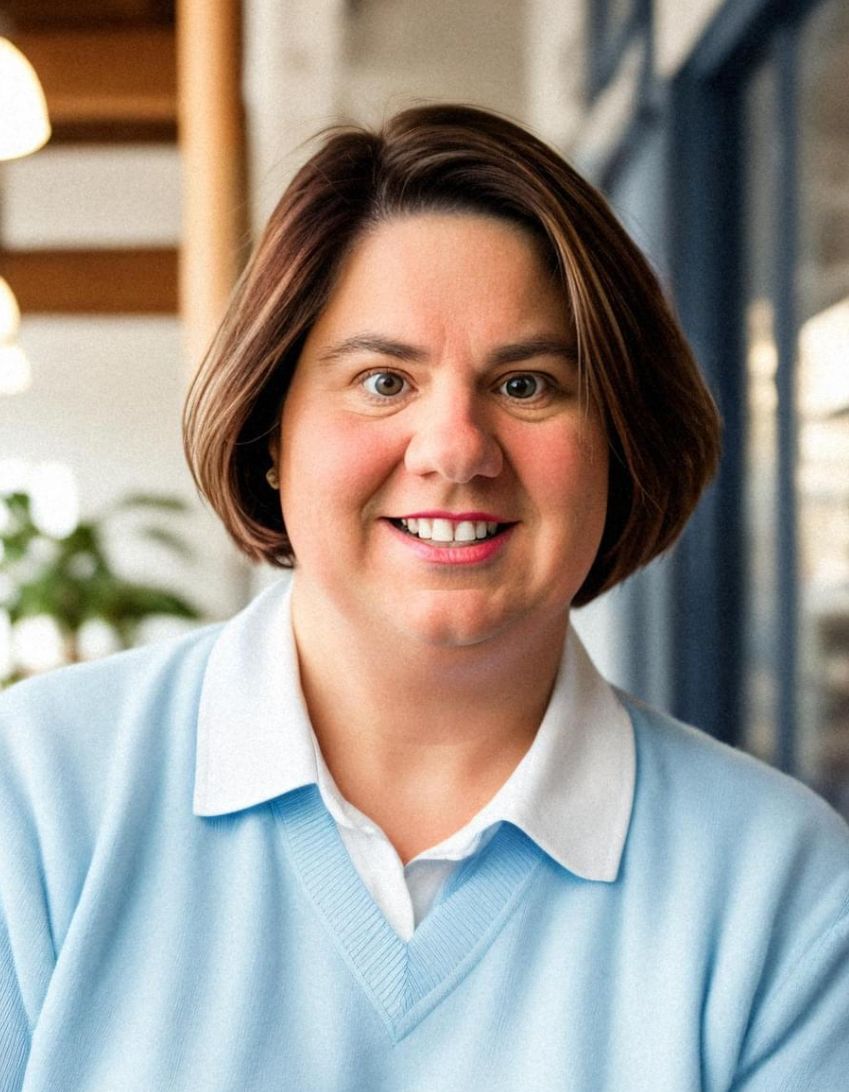
Co-Founder of Xcel Labs, Jody Padar, CPA, is a leading voice of transformation in the accounting profession. Known as The Radical CPA, she pioneered the cloud-firm model and has been recognized on Accounting Today’s Top 100 Most Influential People list for over a decade. A three-time author and sought-after advisor, Jody has spent her career helping firms evolve—across traditional practices, cloud-based models, and high-growth fintech startups, including Botkeeper and April.
Today, Jody is the co-founder of XcelLabs, where she is leading the next evolution of the profession through AI-X—an AI-powered firm model that integrates real-time leadership intelligence, advisory innovation, and scalable growth systems. Through XcelLabs, Jody equips CPA firms to move beyond automation and into confident, future-ready leadership in the age of artificial intelligence.
Jody Padar is the best-selling author of Radical Pricing – By The Radical CPA™, From Success to Significance: The Radical CPA Guide and The Radical CPA
Connect: Xcel Labs Academy, LinkedIn, Email
Transcript
Dominic Piscopo (00:01.08)
Hello and welcome to the Big Four Transparency Podcast. I am being joined today by Jody Paydar, AKA the Radical CPA. For those of you who don’t already know Jody, what rock do you live under? But I will give a little bit of context. Jody is the author of Radical Pricing and has been advocating for a lot of the very well, you know, pretty well accepted best practices today.
Well before it was cool to do so, you have a track record of being right on a lot of these things with our 2020 hindsight. So I’m really excited to have you on. Welcome to the pod, Jody.
Jody Padar (00:34.639)
Awesome, thanks for having me.
Dominic Piscopo (00:36.514)
Yeah, yeah, my pleasure. So what kind of prompted this is the discussion that we had around Xcel Labs with Jen Crider, PICPA invested in that, and you are the co-founder of it. But before we jump into kind of what you’re up to today with Xcel Labs, I’m kind of curious to dig into your journey a little bit. So can you give us a little bit of a run through of like the transition from practitioner into sort of content creator and advisor to a lot of tech firms in the accounting space.
Jody Padar (01:08.989)
Yeah. So, you know, I was that early innovator in the cloud space. So I always say I invented the cloud firm way back in like 2010, 2009, whatever. And we iterated through it. There were a handful of us who were doing it at that time and we were figuring it out as we went along. And what happened was is I didn’t understand what was happening. And so I started blogging about it. I started writing about it. I started using social media to talk about it. And that’s kind of how I gained my following.
And then, know, fast forward 14 years, I sold my firm in 2020. I’d written a couple of books along the way and I went to work for a venture back tech startups, right? So I went to work for BotKeeper and we built machine learning and AI for bookkeeping. And then I was recruited away and I was employee number one at April and we built tech software to compete with TurboTax, their FinTech, their embedded in time and other. other FinTechs and built a tax team, et cetera. And then at the end of last year, I came back to, say my roots, and I came back to saying, yes, I want to serve CPAs. I want to go back to kind of like, what do firms need? And then how do I put all that I learned in AI and technology on top of it? And that’s what we’re bringing to Xcel Labs. And that’s kind of how we started Xcel Labs.
Dominic Piscopo (02:07.298)
Mm-hmm.
Dominic Piscopo (02:35.05)
Interesting. Yeah. And I think it is like important for these kind of tech companies and VC backed startups to understand like you do need a bridge to like the real world, right? Like to, to boots on the ground, or even maybe someone who is not a practitioner, like, you know, Seth Feinberg, for example, has like a great pulse on the industry as well. But like, you need that person who’s gonna like actually get it and translate it. And I think that’s a big difference between companies who are launching great products potentially just into the void and companies who actually gain traction, right? So I think that’s super.
Jody Padar (03:06.415)
Well, I think what’s interesting about CPAs as a whole is CPAs only buy from other CPAs. I don’t know if you realize they’re not, they’re very snobby about it, right? There’s very much a snobby, like, well, if you’re not technical, like you, you can’t understand my pain. Now I think there’s good and bad of it. don’t think it’s it, because I think that there’s a lot of opportunity for new ideas to come in. and I think it prohibits some innovation, but on the other side of it,
Dominic Piscopo (03:24.268)
Yeah.
Jody Padar (03:35.867)
I think there’s something to be said about having been in the accounting business for almost 30 years and knowing the real pain and then actually selling for real pain, not just, I don’t know, taking something shiny and new and applying it to something that is perceived pain. And I think the other piece that’s interesting about it is, is in order to iterate through software really well, you have to be able to work on real clients.
Dominic Piscopo (03:54.988)
Yeah.
Jody Padar (04:05.201)
And I think that’s one of the biggest hurdles that tech companies feel when they’re not in the space is they don’t get the needed feedback to iterate and develop product faster. And that’s kind of one of the biggest disconnects because you can throw all the money in the world at marketing. But if you don’t have trusted CPAs who are working on that product, iterating through it, helping you build it, you’re not going to get very far at all. And that’s a big difference between the FinTech world who connects to other technology and technology that connects through people to clients. And that’s one of the biggest, I think, hurdles that outsiders in the tech space face as they try and develop software for CPAs.
Dominic Piscopo (04:52.268)
Yeah, yeah, I don’t know if it’s like snob ism so much as like, it’s like a very like skeptical and like, there’s a lot of trust building that needs to happen before like a CPA is willing to kind of buy from you. And I’m, you know, I’m in the trenches of that. Like I offering this this comp tool, which for a lot, you know, some firms like some other solutions are great for but like there’s some firms where I’m like, listen, like
Jody Padar (05:10.503)
Okay.
Dominic Piscopo (05:19.968)
I know this is what you need and like, they’re like, yeah, you know, maybe. And then I’ll come back later where like, you know, someone referred them and the sales call is three minutes long. Cause they go, this person said I should work with you. So we’re good. We don’t need the demo. I’m like, geez. Okay, cool. Interesting. It’s quite a behavior for sure. Yeah.
Jody Padar (05:35.549)
We’re…
Well, and I think the other side of it too is, is when you’re selling to firms, you’re B2B to C and you have to remember that their client, the, if, if the CPA firms client is the actual consumer of your product, CPAs are very protective of that client and they don’t want to let just anything touch that client, which is very different than in the B2B world in FinTech, right?
Dominic Piscopo (05:46.691)
Yeah.
Dominic Piscopo (05:56.393)
very protective. Yeah.
Jody Padar (06:05.309)
And so that’s where I think there’s a lot of disconnect when you come into our, or when outsiders come into our space and try and sell things.
Dominic Piscopo (06:05.517)
Yeah.
Dominic Piscopo (06:15.171)
Yeah.
Yeah. And so what actually like motivated you to sell the firm? Because I do see some synergies between like running a firm and, being a spokesperson for these brands, for example, where it’s like, well, we use it it’s great. Like how, did that kind of change what you do and what motivated the sale?
Jody Padar (06:35.473)
Well, so I had owned my own firm. You know, I started it with my dad, but it was really my firm and I had built it from really scratch and it was 14 years and I was tired. Right. Like people don’t realize after like innovating and what and and I saw like not that I was bored because like I like I don’t get bored. I just find something new. Right.
Dominic Piscopo (06:45.591)
Mm-hmm.
Dominic Piscopo (06:49.998)
Yeah.
Jody Padar (07:02.781)
But, but I was kind of like kind of same old, same old. And I was like, okay, I’m ready for something new. And my brand as a whole, as the radical CPA was taking off. And what’s interesting about that world is your customers who are your CPA firm clients don’t care that you’re talking to other CPAs. In fact, a lot of times it’s detrimental to that firm. because they see it as a distraction. And then you’re kind of half in half out, like in two worlds. And it came time for me to really make a choice. And after writing two books and everything, and I was like, you know what, this is where I want to be for where I’m at in my life now. And so, you know, I sold my firm and I was really lucky because when I sold it to BotKeeper, I really came on as being part of their go-to-market team on
Dominic Piscopo (07:31.374)
Yeah.
Jody Padar (08:00.737)
on the sales side and really got to step into a venture back tech startup and learn something completely different, completely new. And it was what I was ready for. was just, you know, 14 years. You just, I don’t know. I don’t want to say, and I was the only one left, right? Like I had a partner, but she wasn’t, I was the one who was really doing everything. wasn’t like I had like a.
Dominic Piscopo (08:19.329)
Yeah, you wanted a new adventure.
Jody Padar (08:27.325)
partner or five partners or something like that, right? Like it was really time for me.
Dominic Piscopo (08:30.508)
Yeah. Okay. Interesting. And so now fast forwarding to what you’re doing today. So Xcel labs, what, what was kind of the, the thing that, you know, what was the signal that told you like, okay, this is like a very real need in the industry because, know, there’s all these people kind of pursuing AI plays and accounting. And I think a lot of them,
will one day be really good, but like a lot of them now I feel like are kind of like, you know, it’s a great headline and they’ll have claims, but like in reality, once it like hits the pavement, it seems like a lot of them are kind of like not quite there. That’s my perception. That’s based off a lot of conversations I have, but you kind of are challenging that from a different direction, which I actually really like.
Jody Padar (09:24.827)
Yeah. So I think, you know, my experience at Backkeeper and at April actually building AI tools for the masses and really understanding kind of the technology piece behind it. Right. I was on the go-to-market. And on the build side. So I have both sides, but I started using, chat GPT. And I really started to understand how thinking with AI changed my critical thinking skills. Right. It changed how I would start and
work with problems differently. And what I saw out in the marketplace was automate this, get rid of this job, like take away the tax work, take away the bookkeeping. And again, I was in those tools myself. So I’m not saying good or bad. I’m just saying the reality is, is AI in the next five years, I say by 2030 is going to fundamentally change the work that we do. A lot of people think it’s further out than that. I don’t because I, I’ve been on the other side, right? And
Dominic Piscopo (10:08.568)
Yeah.
Dominic Piscopo (10:21.506)
Mm-hmm.
Jody Padar (10:22.949)
I thought about what it is to be a CPA and I think that’s the human piece, right? And if you look at, if you ask a firm or a firm owner what they love, they always say, I love my clients, right? Nobody says, if you talk to lawyers, they say, I love the law. They don’t say they love their clients. If you talk to CPAs, they say they love their clients. So then it got to be the point of like, okay, what is really materially different between a CPA firm and a FinTech?
Dominic Piscopo (10:36.493)
Yeah.
Jody Padar (10:52.437)
And I would say it’s the professional relationships, the personal relationships that CPAs have with their clients. Okay, great. Now that we know what really makes that CPA firm distinct, how do we amplify that? And by starting to work with AI and from a critical thinking standpoint, I realized that everybody else was going, okay, how do I automate? How do I like, how do I automate something as opposed to
Dominic Piscopo (10:59.598)
Mm-hmm.
Jody Padar (11:20.967)
How do I think differently as a professional using AI? And so that’s kind of how we started with the human and AI. And then what evolved was, is I basically cried into my GPT for hours and hours, and I built something unique that is actually patentable, and it’s an emotionally intelligent agent. And so by putting, I say I taught my GPT how to be a woman.
So most AI wants to respond back immediately. wants to solve a problem like a man and please don’t take this like, but right, like that’s the way when you’re talking, right? I said, no, I just want it to hold space with me. wanted to kind of listen to me. I wanted to help me reflect and kind of make better decisions. And that’s when I realized that AI now could have a material impact on me as a leader and my leadership skills. And what
Dominic Piscopo (11:48.386)
That’s cool.
Dominic Piscopo (11:55.478)
No, I see myself in what you’re saying, that’s fair, yeah.
Jody Padar (12:17.397)
What I bring to an advisory conversation. And so that is really what. What we’re building at Xcel labs with Navi is the ability to learn how to have advisory conversations faster. And so if you think about a regular CPA, how you go through that process, first of all, you used to learn through osmosis. Nobody actually teaches you how to be an advisor. You hear it from conversations outside the partner’s door, which
Next Gen doesn’t even have today because they’re in Slack or in Teams. So they don’t even have the ability to kind of pick it up through osmosis. But you would learn from hearing those around you have those conversations and they fumbled through them and they grew. And then after 10 years or whatever, you become a manager, you like, you learn how to have those conversations. Well, what if we could train the next gen by using AI to help them have advisory conversations?
much sooner and that’s what truly Navi is. It’s growing your own personal leadership skills and then growing them into advisory skills as well. And so what it actually does is it produces empathy at scale. So that’s really kind of how it began. And then I think about it as in, why don’t CPAs adopt tools?
because they see most tools as taking something away from them, like the job that they like to do, whether that be a bank reconciliation or, you know, code, I don’t know, whatever it’s taking away from them. And where we start with Xcel Labs is we start with the professional at the center saying, okay, what’s in it for me? How do I make myself a better professional, either through leadership, either through strategic thinking, either through using AI to upskill myself through technical knowledge?
Dominic Piscopo (13:45.804)
Yeah.
Jody Padar (14:09.209)
not by just automating away some work, because that work’s going to get automated away regardless. So how do I learn as a professional? So what’s in it for me? Then you put all those professionals together and you get this AI first firm that is going to have better thinking, better leadership associated with it. And then you put all those firms together and now you have the profession that’s relevant in 2030 when all the other automated work is just kind of gone.
Dominic Piscopo (14:29.718)
Mm-hmm.
Jody Padar (14:39.099)
because it’s been automated away. And so that’s how we get ourselves ready. And so that’s why we say we put the human in AI or the AI in human is we’re really using AI to upskill you as a professional so you’re ready for the future.
Dominic Piscopo (14:54.22)
Yeah. Well, and I like the approach where you talk about the kind of empathy point and some of what would kind of translate into some of the the softer skills, how this kind of helps prepare you for that as well. Because when I, when I spoke with Jen Kreider, I had looked into Xcel labs a little bit, but I didn’t understand some of the nuance of like what you had going on there. and to me, like, I was like, I think that’s great. I think that’s kind of half of the equation of what we need. And, and you know, this is a little bit tangential, but I have the data on this where the path to senior manager, for example, has been shortening over the last four years. And that’s actually like a very necessary in the market because right now, from everything, all the perspective I get from like the recruiting as well and things like that, like people are desperate for like an experienced senior or manager. and yet like the, the market has maybe softened a tiny bit for like the kind of intern level folks. And that to me spells out a need of like, okay, well, we can’t all be competing for the same senior or for the same manager. Some firms should be able to take the approach of I’m actually going to take these people and I’m going to accelerate them and I’m going to teach them very, very quickly how to become that trusted advisor and how to become a senior and a manager. Because we’ve been, we’ve been shortening that path a little bit, but at the end of the day, we’re also constrained by the speed at which people are learning. And so I think that this is like a really good kind of bridge to that where it’s like, okay, well, now maybe the constraint isn’t even like, these boomer partners aren’t willing to progress us because it took them so many years. Like that’s kind of breaking down that that is changing it and the path there is a willingness to shorten the path, but then it becomes a constraint on learning and the people actually being ready to take on the work. Like, so I think this is like a fantastic answer to the needs of the market.
So big supporter of it.
Jody Padar (16:47.527)
Well, and I think the other piece of it is it’s unbiased feedback, right? So it’s one thing to learn from a manager who or a partner who you may or may not like, you may or may not agree with, you may or may not feel like they have it out for you or not, right? Versus learning from an AI who is unbiased feedback. So you take that feedback, you can understand it, you can digest it, and you can iterate on it a lot faster.
not only because that AI is with you in the meetings and it kind of evolves with you, but also I think you’re more receptive to learning from it versus that manager who you’re afraid that, you know, they’re not going to go to lunch with you because they said something to you or whatever. Do you know what I mean? Like there’s no, there’s not that personality there, right? It’s just, it’s a bot who’s helping you upskill yourself better.
Dominic Piscopo (17:35.414)
Yeah.
Dominic Piscopo (17:40.108)
Yeah.
Jody Padar (17:42.587)
And that bot learns you and it learns your patterns and it learns what makes you you. And again, when we think about leadership, part of leadership is recognizing your own strengths and like really leaning into those strengths. And when that AI can do that for you and help you be better to be your best self, like it’s a win-win for everybody.
Dominic Piscopo (18:05.09)
Yeah, yeah, I like your kind of point of like the people you would learn from you might even though they might be like an exceptionally good advisor, there might be things in their lives or in how they behave themselves with staff or like non clients or things that like, to you register them as like, you know what, like that’s not I don’t want to be that person. And so you maybe discount everything they would have to teach you, even though they might actually be teaching you like exceptionally good stuff like and I’m I’m one of those people like I particularly at the age I was when I was at the big four, like, I would make pretty heavy judgment calls of like, like, no, like this person isn’t it. And so I would really discount anything I would kind of learn because I was like, they’re not in the place that I’m trying to be. And, you know, had that been from an objective source where I’m not bunching in all of these other things of like who this person is, like, I probably would have learned better. So I, yeah, I really like what you’ve got going on with this.
Jody Padar (19:02.365)
And the other thing we’re doing is we’re scoring it, right? So now if you think about time sheets, which I hate time sheets, but when you think about the opportunity for data that is data driven scoring, that now is a new metric that can be compared to someone. So if you have a really good client conversation and you’re scored on it and your leadership shows through that metric, you compare that to someone who spent 30 minutes doing something.
And before it used to be like, if you were a little bit slower, you got like kind of points off. Didn’t matter that you had amazing client conversations, which actually have more value in today’s world than time spent on something because automating everything is going to, right, is more differentiated. Now you have an unbiased metric to be compared against as well. So, you know, I’ve been kind of for this transformation, radical pricing, price on outcomes, all of those things.
Dominic Piscopo (19:46.112)
It’s more differentiated. Yeah.
Jody Padar (20:01.061)
With our tool, now you have something that can help you measure your employees based on how they show up in client conversations, not basically the time they spent, which again, is huge from a business model shift that’s going to have to happen in 2030. Because when everything takes three seconds, how are you going to bill for it? Well, you’re to have to measure on something else. And now you have the opportunity to measure your employees on something different.
Dominic Piscopo (20:26.914)
Yeah. Yeah. So you were like a major player in the shift to cloud accounting, or at least like you were an example to follow for that. And I do believe now you’re going to kind of probably replicate that in the AI world. But how do you think those two waves sort of compare either in terms of like speed of adoption or in terms of like impact to the industry, as well as maybe like the cost of not being, you know, of being a laggard. of the adoption of these things.
Jody Padar (20:57.725)
So I say when like the cloud was starting, I’ll say I was young and dumb, not that I was young and dumb, but that I was just inexperienced, right? I was a young professional at that time and I thought the industry would move much faster than it did. It took almost 20 years and a pandemic, right? Like, and even now it’s less than 10 % of firms are all hundred percent cloud, which is interesting of itself because it’s not.
Dominic Piscopo (21:06.007)
Mm-hmm.
Dominic Piscopo (21:14.007)
Yeah.
Jody Padar (21:21.883)
The tool, it’s the real time that created disruption in the firm and most larger firms couldn’t deal with the business model change. It’s not about the tech. It’s never been about the tech. It’s about the business model shift that had happened and it still hasn’t happened. That’s why less than 10 % of today’s firms are cloud-based. And AI is going to be a hundred times faster. So like,
Dominic Piscopo (21:38.958)
Mm-hmm.
Jody Padar (21:47.453)
If you think about it, like I say, 2030, that gives us like four and a half years to get there. Um, are most firms ready? Hmm. I don’t know. I think the interesting thing is, is when you look at PE money coming in, when you look at venture capital coming in, when you look at the technology coming in, that’s pushing the market. It’s not about what firm owners want. When you look at all the CPAs who are dying or retiring, cause they’re old, right? Like that’s all going to change the market significantly. So it’s not going to take as long.
Dominic Piscopo (22:06.466)
Mm-hmm.
Jody Padar (22:17.369)
I truly believe there will be 30 firms, big firms in the future. The G 400 will collapse into 30 firms and then there will be small firms and that will be it because you already see it happening, right? there’s all this consolidation happening and money’s pushing it, right? And like anything else, follow the money. And if you follow the money, we’re accountants. Why aren’t we talking about that? Right?
Dominic Piscopo (22:26.636)
Oof. Yeah.
Dominic Piscopo (22:32.097)
Yeah, there’s a lot of consolidation.
Jody Padar (22:46.353)
think what most firms don’t realize their competition isn’t the firm next door, the firm across the street, the firm across the country. It’s a FinTech that has a much better client experience. It’s Intuit that is like going to go upstream right now. I don’t know if you like their enterprise right now they’re going up. You know, they’re doing corporate returns and they’re charging more for corporate returns than smaller practitioners are charging for. Like, hello, what’s wrong with this picture, right? FinTech is…
Dominic Piscopo (23:03.852)
Mm-hmm.
Dominic Piscopo (23:09.902)
than a lot of small firms, yeah.
Jody Padar (23:15.485)
And they have a client experience that’s differentiated than a CPA experience who doesn’t pick up the phone and call their client back. And so when I started at the beginning of the conversation, I talked about what do clients own or what do CPA firms own that other people don’t. We have to amplify, we have to exploit our ability to have client conversations and that empathy at scale. And if we don’t figure it out, FinTech will figure it out in five years.
So that’s why we’re doing And like people are like, you’re so riled up about this. why it’s because I love the profession, right? That’s why we had PICPA invest in us, right? I think about that having a nonprofit invest in an AI driven startup, that’s unheard of, right? But we, Jenna and I believe in the same things that the idea is, is how do we keep our profession relevant as technology and everything?
Dominic Piscopo (23:44.942)
Yeah.
Dominic Piscopo (24:03.842)
Yeah.
Jody Padar (24:13.575)
comes alongside and the only way is going to be to invest in the humans. And that’s why we’re putting AI into the humans.
Dominic Piscopo (24:21.122)
Yeah. Well, I like the approach of like, you know, like augmented accountants rather than like the replacement of them. I think like that’s a much nicer framing. And I do think it’s what’s going to actually be required for there to be any level of quality of service to people. So, I mean, I’ve said it a lot already, but like, I really like the approach that you’re taking to this. Let’s dig into this kind of PICPA investment. I’m like, I’m fascinated by that. So from like your perspective, like what what do you think made them such a good partner? Because again, like I really like what Jen is up to. And she’s like extending far beyond the traditional scope of like what, you know, a state society would do in such a positive way. And so yeah, I’m curious to understand like the rationale behind
Jody Padar (25:12.583)
So like when you go and you sit in these rooms, like again, and I’ve been in two venture back tech startups, right? Like, and you, you’re in with the VC money and whatever their idea is speed. And their idea is, you know, they’re going to invest in, I don’t know, a hundred companies. And they know that so many of them are going to fail. And they know that like some of them hopefully are going to like jump out and be rock stars, right? And the rest of them will do okay, but they don’t really care about. the people, they care about the return on investment. And I’m not saying that PICPA isn’t concerned about their return on investment, because absolutely they’re an investor and there’s money that has to be returned to them and they want to have a wonderful outcome. But they believe in people and they believe in CPAs. And I didn’t want to build with someone who didn’t believe that humans should be at the center of it. And that was truly what
Dominic Piscopo (25:43.49)
Mm-hmm.
Dominic Piscopo (26:08.366)
Yeah.
Jody Padar (26:11.469)
what I learned, right? Like I want to keep CPAs at the center. So, and the funny thing is, is like when people ask me how I became an influencer or like how, like why I share all the knowledge that I, that I do and that I have for the last 20 years, I was an influencer before it was trendy, right? Like my, was on Twitter, I was writing for accounting today. I was blogging like way back when, and it was all about
Dominic Piscopo (26:31.523)
Yeah.
Jody Padar (26:40.153)
sharing cloud tools and sharing the efficiency that came along with them. And the reason was, is because I got to go home on time and I got to, and it was about like, I worked so hard for my CPA and then I got into this firm and I realized like, why did I do this? Like, this is not a good lifestyle. I’m not treated well, all of these things. And then when I kind of went out on my own and I really,
evolved with the cloud, it was like I was given my life back and I was given an opportunity to kind of spread the word. So that’s where my excitement for sharing things with the profession comes from, because you can have a better life if you use technology right. You can go home on time. You can like change your business model so that you can serve your clients well. You can serve your clients better. You can make a lot of money and you can have a life too. And that Is what I’ve been preaching for the last 20 years. Like that’s not new. The only thing that’s changed is the tools that now it’s AI before it was cloud. And the reality is, is a lot of it is business model change anyways. It isn’t even the technology. It’s what are the technology, what is, what is the real time and the technology due to the business model that makes you need to change your business model to adopt or to adapt.
Dominic Piscopo (28:05.73)
Mm-hmm.
Jody Padar (28:06.493)
And the reality is, as most firms are still living in an archaic business model, they haven’t changed their business model at all, which is why they struggle, which is why they, why they cannot, basically they put a lot of expensive technology on a broken business model. And then they wonder why things don’t change. And now instead of automating things, they’re throwing things to India, right? They’re pushing things to the Philippines instead of actually saying, do we still need to do it this way? Probably not. Uh, is there a way to make this process more efficient? Um, no, we’ll just.
Dominic Piscopo (28:21.773)
Yeah.
Jody Padar (28:36.519)
put more bodies on it and we’ll do it in India instead of actually redefining what they’re doing. and PEs coming in and PE hopefully is gonna change some of that. Now, like you can love PE, you can hate PE, whatever. The thing about PE is, is they’re gonna make these partners run their businesses better, whether they want to or not. And maybe some people will be left behind in it. I don’t know. I think it depends on the PE firm. think it depends on how it’s all shakes out.
Dominic Piscopo (28:42.478)
Yeah.
Dominic Piscopo (28:56.686)
Yeah.
Jody Padar (29:06.819)
the partners are getting nice checks and Hey, they earned it, whatever it is, but it’s up to the next gen to figure out what that looks like and how we’re going to evolve as a profession. And, I hope there’s next gen professionals who love the profession enough to say, Hey, let’s, let’s figure it out. Let’s not abandon it. Cause I think right now there’s a lot of people who are just saying, like forget it. I’ll go do something else.
Dominic Piscopo (29:32.972)
Yeah. Well, and what I really like about there being kind of like a, you know, an option for kind of widespread upskilling to like take advantage of this wave is like, the wave can be adopted in a couple of different ways. If we, if we increase, you know, output per accountant by 50%, well, accounting’s in a little bit of a, an interesting situation where like the average accountant is working too much. and to a point where we’re actually probably missing out on a lot of like even higher value services, because when your house is on fire, you’re not really thinking about like the opportunities that you can then present to the client base. So I feel like the pool of work that exists and can be alleviated in the accounting profession is actually quite massive. So I think, you know,
Jody Padar (30:06.289)
Right.
Dominic Piscopo (30:20.718)
an ideal state for the adoption of AI as well as just like in general, like process improvement going on in the industry would be that, you know, instead of having every accountant working 50 hours a week, maybe every accountant could be working 35 hours a week. And also within that timeframe of those hours, they’re actually being proactive, doing tax planning, better, like moving up the ladder, doing more advisory work, and it becomes a more profitable profession. Then there’s the flip side thesis of like, no, they’re just going to still work as just as hard, and they’re just going to lay off a huge percentage of the people, and it’s still not going to be like great, you’re going to be overworked. And so I think having access to more people readily available who are up skilled and ready for this, at least increases the likelihood of outcome A, which is very positive.
right?
Jody Padar (31:15.107)
And all these guys are going to retire too. So don’t forget that we’re losing half of them too. like, I, I think it’s going to be, I look at it as a Renaissance. actually think, I think we don’t know what we’re going to, we don’t know what we don’t know yet. I think it’s kind of like to social media came out, right? 2008, 2009, every all the marketers thought social media was going to take all their jobs. No, now there’s like all subsets of people who just do social media, right? So we don’t know what’s going to evolve.
Dominic Piscopo (31:17.932)
Yeah. Yeah.
Jody Padar (31:44.861)
And I think that’s what’s exciting and that’s the curiosity and you just take your skill sets and you can continue to evolve them. But if you think that you’re going to be doing, know, I don’t want to say data input, because I know we do a lot more than data input, but I think if you think you’re going to be doing transaction based work or you’re going to be doing that kind of stuff, I think the job we do today is going to fundamentally change and be very different than the job we’re going to do in 2030.
Dominic Piscopo (32:10.498)
Yeah. Yeah, I agree. Changing gears here a little bit. had just like a couple quick questions, sort of lightning round for you, but how has, you know, your 20 years of being what we’ll call an influencer and trying not to cringe at, how has like 20 years of being an influencer, like change the way that you’re able to kind of deliver and launch this business? Like, you know, you’ve been in this for the for the long tail and you’ve built up a crazy following, like you have 600,000 people on LinkedIn. And for people who are, you know, early in their careers and thinking about, ah, is this content creation thing really worth it? You know, I’m in year two of it hasn’t really brought that much in terms of tangible change, like how, how much influence has that had on your business?
Jody Padar (32:57.191)
So it’s had a huge influence on my business. First of all, I think it’s developed me as a professional stronger because you have to have a point of view and you have to own that point of view. And I think that’s what makes a really good influencer is if you’re just regurgitating what everybody else is saying, you’re not an influencer. You need to really own where you stand in the market and what’s important to you. And I think that’s what makes you a solid influencer. I think
Dominic Piscopo (33:14.242)
Mm-hmm.
Jody Padar (33:26.107)
like any sort of PR, brings eyeballs to you. And then those eyeballs create opportunities. And then it’s up to you to take those opportunities and make something from them. And that’s where probably me as an entrepreneur has actually had a bigger impact because I’ve taken some of these influencer opportunities and done really big things with them, right? So whether it be writing a book or, you know,
doing a regular influencer deal, right? Like kind of that’s the entrepreneur space. Mr. Beast, I don’t know if you’re like follow Mr. Beast, but he’s opening a Fintech, he’s opening a bank now, right? So like, so that, so it’s funny because I told Katie, my partner, I’m like, are we going to open a bank as part of it? Like as, part of it, cause I thought, wow, okay. So now he’s opening a bank. But what happens is, is when you look at.
Dominic Piscopo (34:07.69)
I saw that today. saw the headlines. Yeah, filed for trademark.
Dominic Piscopo (34:15.704)
Yeah.
Jody Padar (34:23.545)
any sort of sales or go to market thing, people buy from people they know, like, and trust. So if they already know you, like you, and trust you, then they’re going to buy from you, right? That’s the sales perspective. And so for me to introduce a tool like Navi into the market, it’s a lot easier because people already know, like, and trust me and they have for 20 years. So now it’s like, okay, what are you doing, Jodi? Tell me about it, right? It’s not like, I have to knock on a door and then they don’t pick up my call or whatever. It’s just, it makes that go-to-market process a lot easier. And in today’s world where software used to be, you used to have to be really technical to build software and it was really hard. And that was kind of your moat was that technical piece. Now your moat is your go-to-market motion and your ability to actually distribute it because you can build software in a month now that used to take a year, right?
And so now how fast can you get something to market? How fast can you iterate through it? And so to me, that’s the cool thing. And if you would have told me when I was tweeting, if you would have told my dad when I was streaming, he my partner at one point, he would be like, what are you doing? Why are you online? But it was a lot of sweat equity that is now coming back to pay lots of dividends, but it was all sweat equity. It was time and stuff that I invested really into myself.
but into building that community over time that has now come back. So nothing happens overnight. You it’s like the overnight success that took 10 years. So like it doesn’t, it doesn’t happen overnight, but if you, if you like it, if you enjoy it, keep at it. If you don’t like it, then go do something else. But I think it takes a certain, a certain personality to want to do it as well. And I would say I have the heart of an educator and most of my content is education anyways. So.
Dominic Piscopo (36:11.245)
Yeah.
Dominic Piscopo (36:16.162)
Yeah, yeah. No, I found that firsthand. Like I, a couple months back had done like a filtering through my newsletter audience. And, you know, I didn’t do a great job with the filtering. So I probably missed a lot of people, but I was like, who is like in a decision making role that’s been following my newsletter for over a year? And like kind of sent like a sales motion email to them. And like the reply rates were like 10 times higher than any other thing I’ve done. Right. And it’s because again, like there’s been trust built. and you’ve been providing value for these people. So I think that’s super interesting. Last question I have for you is, do you think that this kind of like wave of AI adoption, like I think once it becomes undeniable that this is like what it takes to run a good firm, do you think that that’s going to expedite a lot of retirements from kind of, you know, firm owners who maybe are just like, You know what, this is like a change in transformation I don’t want to take on because I feel like for the cloud, it definitely like separated high high versus kind of like lower achieving and lower margin firms. However, I feel like a lot of people still kind of just stubbornly held on. Do you think this will be the catalyst that like brings a lot of people to retirement?
Jody Padar (37:28.573)
No, I think it’s going to be different because I think AI, really good AI has a really good experience and you don’t have to learn tech, right? So the cloud, had to learn the technology. You had to kind of click here to click there to get it to work. Really good AI just works in the background. Really good AI you just talk to. Really good AI, like it has a, it has much of a iPhone experience versus an old, uh,
Dominic Piscopo (37:40.654)
Mm-hmm.
Dominic Piscopo (37:48.494)
Yeah.
Jody Padar (37:55.983)
And I don’t want to say Android because I don’t know, but like a server room experience, right? So that’s the difference with AI that I mean, like my dad is 85. He’s still my partner or like he was my partner, whatever. He’s still, he uses chat GPT now, right? Like, so it’s not, it’s, it’s not an age thing. I think AI is going to have a much faster adoption just because it’s easy to use. don’t, it’s not really.
Dominic Piscopo (37:56.898)
like a server room experience or whatever, yeah.
Dominic Piscopo (38:11.064)
Yeah, okay.
Jody Padar (38:24.657)
To use it well, you need to be up skilled and you need to be trained. However, a lot of it you can use by using your voice. You can talk to it, right? You can vibe code something, right? You don’t have to actually learn how to do it, right? So it’s different. yeah. And if you want to really date me,
Dominic Piscopo (38:33.228)
Yeah.
Dominic Piscopo (38:44.83)
Mm-hmm. Good perspective. I hadn’t thought about that really, but that makes sense. Yeah.
Jody Padar (38:52.847)
I was, I was explaining it to someone and I said, it’s like from DOS. When we used to use DOS in the old days, you had to like know the codes to do DOS, right? Like you used to have to know the, the, command prompt. used to have to know what to put in the computer. know that was before you were born, but, but then we learned how to use a mouse and we learned how to use windows and windows. All of a sudden it opened the whole world. Cause all you had to do was click. You didn’t actually have to say, you know, do this, do that, if then whatever. And I think that’s again, that kind of transformation that people don’t realize AI has that experience with it. That’s just easy.
Dominic Piscopo (39:34.102)
Yeah. How far along in the go to market kind of motion is Navi because I’m obviously going to like include a link to Xcel labs. But for people who are like, this is great. I need this. want to get my staff on this. Like, is it, you know, you can go download it now.
Jody Padar (39:49.249)
You can use it. can go download it now. You can sign up. You can take a course and you can start using it. And we’re really like, we’re still in, I’ll say end of beta phase, but like, we’re going to have like really come, I’ll say December, January, like full on, like ready to go. And I would say right now it’s ready to go. It just depends on how early adopter you are, right? Like are you…
Dominic Piscopo (40:11.821)
Nice.
Jody Padar (40:17.117)
Because we’re really like we want feedback, right? Like we want you to tell us what’s working, what’s not. But we have a couple top 200 firms using it. like that’s like and then we have multiple singles and whatever like who have been through it, have said they liked it, who but you know, we’re in market. We want to be in market. We want people to learn from it and start.
Dominic Piscopo (40:29.484)
go. Yeah.
Jody Padar (40:47.229)
That’s the only way you iterate through software. can’t like, that’s what people don’t, our accountants don’t realize is the only way that we can get software out is to get it at a MVP and then have you tell me I like this, but I don’t like this because that’s the only way you can iterate through it. can’t, you can’t build perfect software and then put it in market. It doesn’t work that way. It always has to, and it’ll be continued to be built for, you know.
Dominic Piscopo (41:11.138)
Yeah.
Jody Padar (41:17.041)
for years, because you’re always improving it.
Dominic Piscopo (41:19.532)
Yeah, yeah. Well, I mean, still to this day, the biggest client of Big Four Transparency that I’ve landed, I landed at the time that it was just a spreadsheet and some pivot tables. And then we kept developing it since then. But like, had I not started selling there, like, that’s still my biggest client, you know, so. Yeah, so I love the approach. Yeah.
Jody Padar (41:29.447)
Mm-hmm.
Jody Padar (41:40.087)
It’s your believer. They believe in the vision. They believe in the idea. That’s who we want. We want believers. We want people who say, like, look, like we know that we need to get more human. We want to create empathy across our firm. We don’t want just the partners to have those empathetic conversations. We want everybody in the firm to learn how to have those conversations. That’s who that’s who our users are. And if you believe that, then we want you to be an early adopter with us.