Post-Pandemic: Staffing tops lists of concerns, remote work here to stay.

By CPA Trendlines
via the VSCPA
The future of the tax, accounting, and finance workplace will include more remote working and hybrid options in the wake of the pandemic — and some office footprints will shrink, according to a new survey of CPAs. But vaccinations won’t be required in many offices.
As CPAs and other business professionals navigate the changing work landscape, the Virginia CPA Society member survey shows CPAs are focused on staffing: Maintaining engagement and morale; attracting and recruiting talent, and supporting employee mental health,
More than one-third of respondents (37%) will make remote work a permanent option if the role allows it. Other plans for implementation include improving the remote work experience (34%), investing in new technologies to support remote work (30%), and making changes to workplace safety measures (29%), .
“COVID-19 impacted businesses and the way we work in unprecedented ways,” says VSCPA President & CEO Stephanie Peters. “Like others, CPA leaders have been asking, ‘When will we(or will we at all) return to the office?’ and ‘What will the future workplace and workforce look like?’”
More Highlights
Staffing is CPAs’ No. 1 concern.
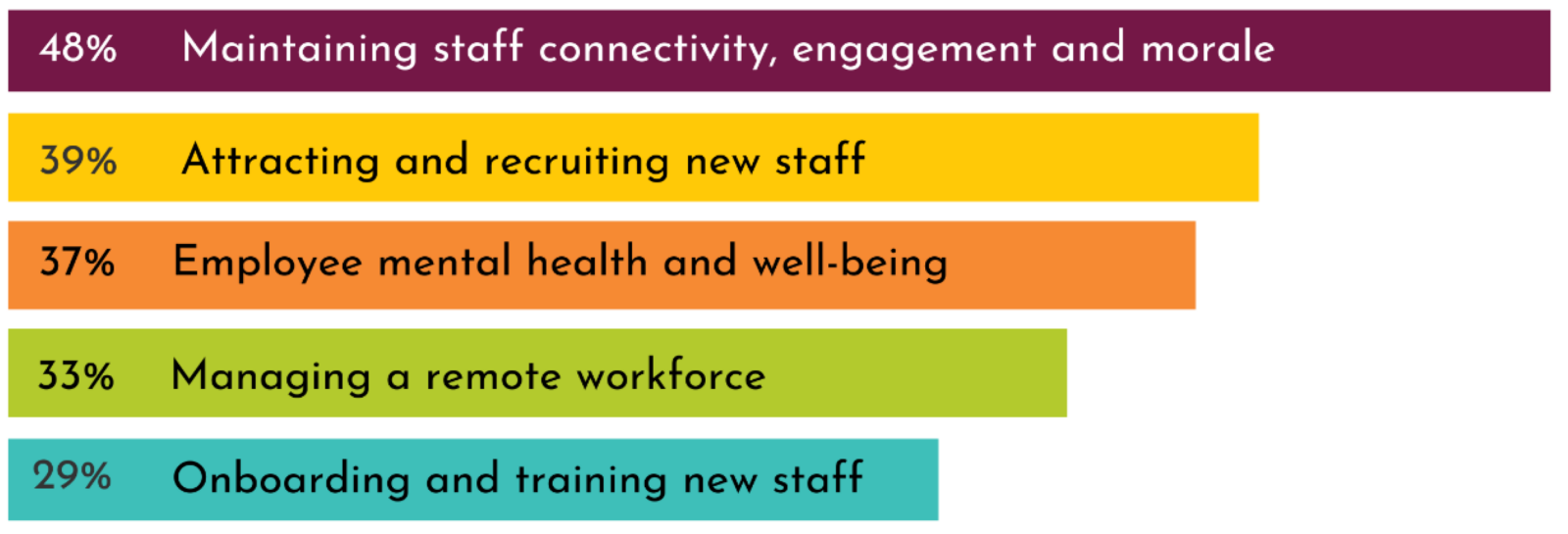
In the public accounting sector, attracting and recruiting new staff increases to the top concern at 47% of respondents, with maintaining client relationships (40%) also a top issue. Maintaining client relationships (36%) is also a big concern for CPAs who work in consulting.
A hybrid of remote and on-site work will continue over the next year. As full-time remote working begins to decrease, hybrid work arrangements will shift from mostly remote with some on-site work to mostly on-site with some remote work. Over the next 12 months, full-time remote working is expected to decrease by 17% and all on-site work is expected to double over the next 12 months.
Some offices will get smaller. A full 40% of respondents say they will reduce their office footprints, which is directly in response to increasing remote operations for 65% of respondents, followed by 23% with a reduction in staffing and 15% seeing a decline in business.
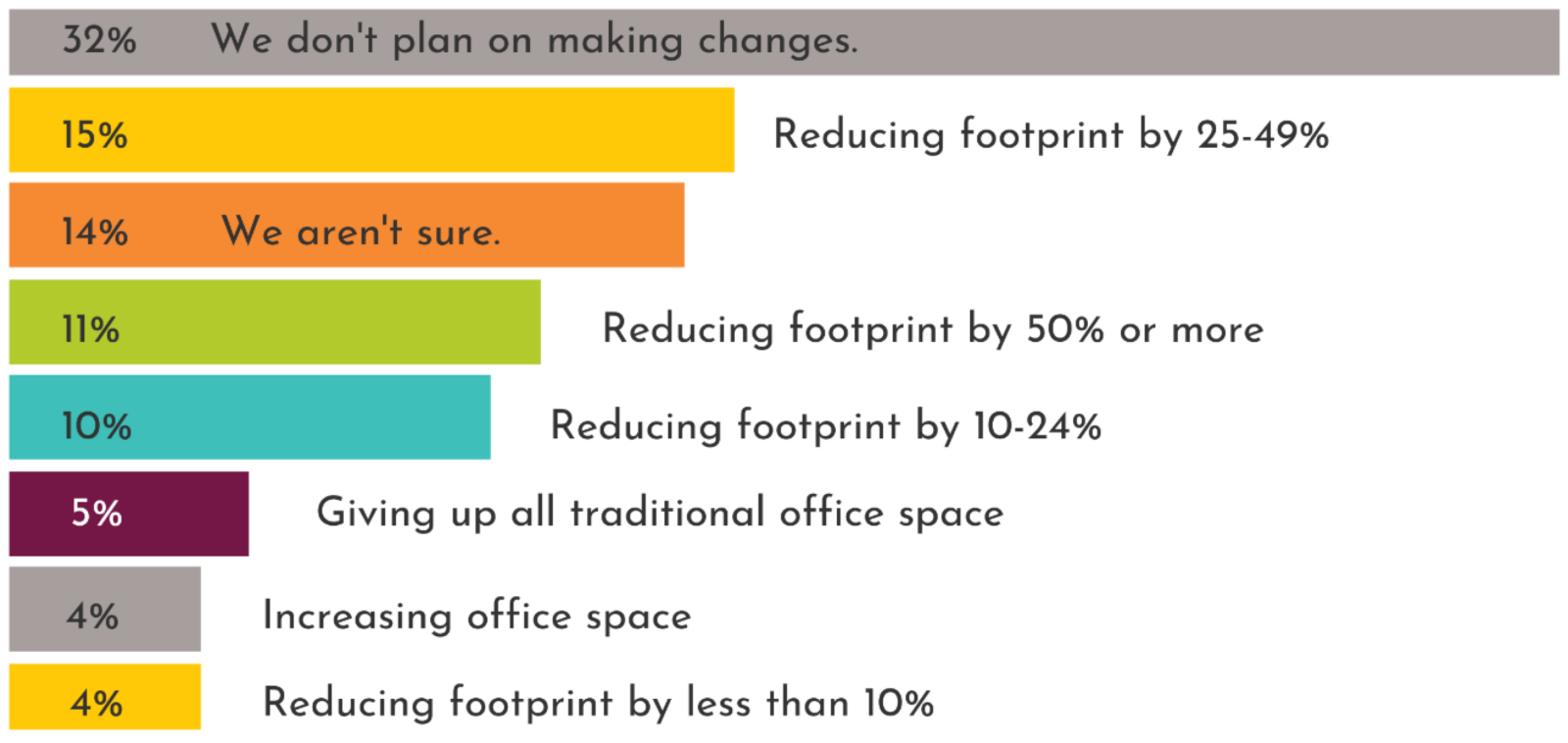
While 40% are not making office space changes, 5% will give up traditional office space altogether and 4% will increase space.
Vaccines are not required, but safety is a priority.
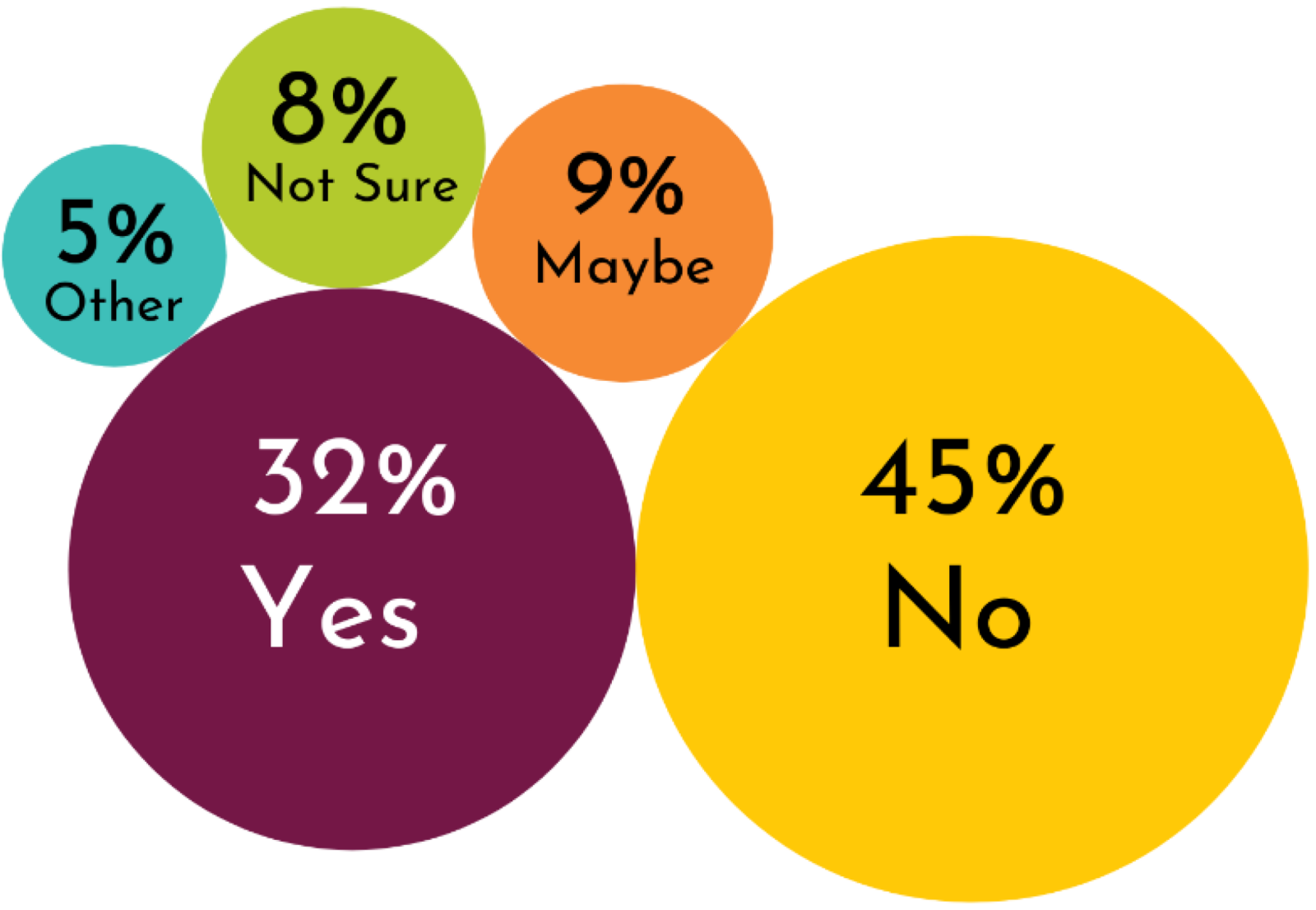
In public accounting, the vaccination requirement numbers shift significantly, with 56% of respondents saying that they will not require employees to be vaccinated and only 24% saying they will.
“As our members work through a wide range of reopening plans, we wanted to find out the key considerations on their minds. With this survey data, we know staffing is a top concern, especially as they navigate the new normal of hybrid work,” Peters adds.