How to reset pricing, rebuild margins, and stop “helping” clients into bankruptcy.
The complete video episode, with commentary and transcript, is first available exclusively to PRO Members | Go PRO here
Sponsored by The Balanced Millionaire: The Advisor Edition by Dr. Jackie Meyer | See Today’s Special Offer
Subscribe to CPA Trendlines podcasts anywhere: Apple, Google/YouTube, Spotify, iHeart, Deezer, Amazon Music, Audible, Player FM, Audacy, RSS.
The Disruptors
With Liz Farr
Candy Bellau didn’t set out to build a firm that could operate without her. But her hand was forced when her mother became ill.
“I kept dropping the ball at my own company and my team, the long-term members kept picking it up, and slowly but surely, they just absorbed the client work I was doing,” Bellau recalls.
MORE DISRUPTORS: Oliver: Build a Biz that Runs Without You | Daiber: Use Succession as a Growth Strategy | Cannon: Busy Season is Self-Inflicted | Carroll: When One Person Can Break the Firm | Rampe: Build a Roadmap Even When the Road’s Not There | Chang: Killing SALY, One Agent at a Time | Vanover: 5-Star Firms Don’t Bill by the Hour | Kless: Profit Is a Result. Flourishing Is the Purpose | Whitman: Build Culture on ‘Progress,’ Not Change | Shein: No PE? No M&A? No Problem | Hood and Weber: Time to RISE | Proctor: Turn Dumb Ideas into Brilliant Solutions | Carter-Gray: How 1 Poor Review Strengthened the Firm | Hartman: Upwork to “40 Under 40” in 3 Years |
Exclusively for PRO Members. Log in here or upgrade to PRO today.
Her team at Kramerica Business Solutions not only maintained the business but made it better. “They did things that were so much better, and they looked out for me,” Bellau says.
Bellau’s transition from operator to owner came at a pivotal moment. After working nonstop since age 14, Bellau found herself at 56 needing a change. “I don’t even know who I am. I don’t know what I like. I don’t have any interest outside of work and tasks that have to be done at home,” she explains. So she took art classes, improv classes, wrote a book, and launched the Unbalanced Podcast with Sam Hallburn.
Most importantly, she gave herself permission to step back from client work.
Takeaways
-
-
Before committing to a new client, take on a project as a “dating phase” to determine whether the relationship is mutually beneficial.
-
Stay in contact with the best people who work with you. They may come back in the future.
-
Teams with members of different ages create natural mentoring opportunities and allow for other perspectives.
-
The name you use for your services is a strategic positioning.
-
Stop using work as a socially acceptable way to avoid other life obligations.
-
Create time and space for change. You can’t implement something that will save you time if you don’t have the time to implement it.
-
Business owners need more than automated reports. They also need a safe space to talk.
-
Power of ownership
Her team, which will eventually take over her firm, stepped up to the challenge. “My firm will eventually go to my team members so they treat it like it’s their own business, so I don’t really worry, and they have sound enough judgment to come to me when I need to be there,” Bellau explains. “I feel safe.”
That sense of firm ownership by her team extends to her firm’s structure and processes, which were built organically by her team.
“I am the cobbler who has no shoes, you know?” she admits. While Bellau could walk into any client’s business and implement flawless systems, her own firm lacked systems and processes until her team created what worked for them.
Bellau also spent several years as a coach with Woodard and identifies pricing and confidence as the profession’s most pervasive challenges. “I think people don’t give themselves enough credit for their skill set and their knowledge,” she explains. Because the work is easy for accountants, they can complete it quickly, and as a result, they tend to undervalue and underprice their services.
Underpricing doesn’t help anyone.
“If their goal is to help, if they think they’re helping people by charging a low amount, you’re not, because you’re going to go out of business, and then you can’t help anybody,” Bellau says.
Her pricing approach reflects her expertise and the value her team delivers. She doesn’t sell in tiers when solving a specific problem. “I’m certainly not going to give you less than you need, because then we’re not going to get through the finish line,” she explains.
When a prospect once challenged her proposal, asking if she was “crazy” for expecting a payment “to press a button,” she didn’t mince words in her response. “Well, excuse me, but you seem like a very intelligent man…I think you should press your own damn button.” The prospect called back, admitting he didn’t know which button to press.
Team of three
Bellau takes pride in her small team of just three, down from a peak of 12 members. “I don’t want to be the biggest firm. I want to be the happiest firm,” she explains. “That’s my happy now…and I want to be sustainable.”
Bellau’s other company, Vandelay Forensic Group, focuses on fraud investigations. She is a CFE and a licensed Private Investigator in the state of Louisiana. Her work with fraud began accidentally. “I don’t find fraud. Fraud finds me,” she explains. By simply paying attention and following her hunches, she consistently uncovered fraud when working with struggling companies. Her forthcoming book describes how to distinguish between bad bookkeeping, bad management, and actual fraud, which can all appear similar.
Overcoming a mindset
Looking ahead, Bellau sees technology changing the profession but not replacing the human element.
“What you’re going to bring to the table is your ability to communicate to people what they need to know in the language they need to hear it in the way that is going to help them,” she explains.
The key to success in the profession will be embracing collaboration and overcoming a scarcity mindset. “There is enough work to go around for everybody, and we can do things together.”
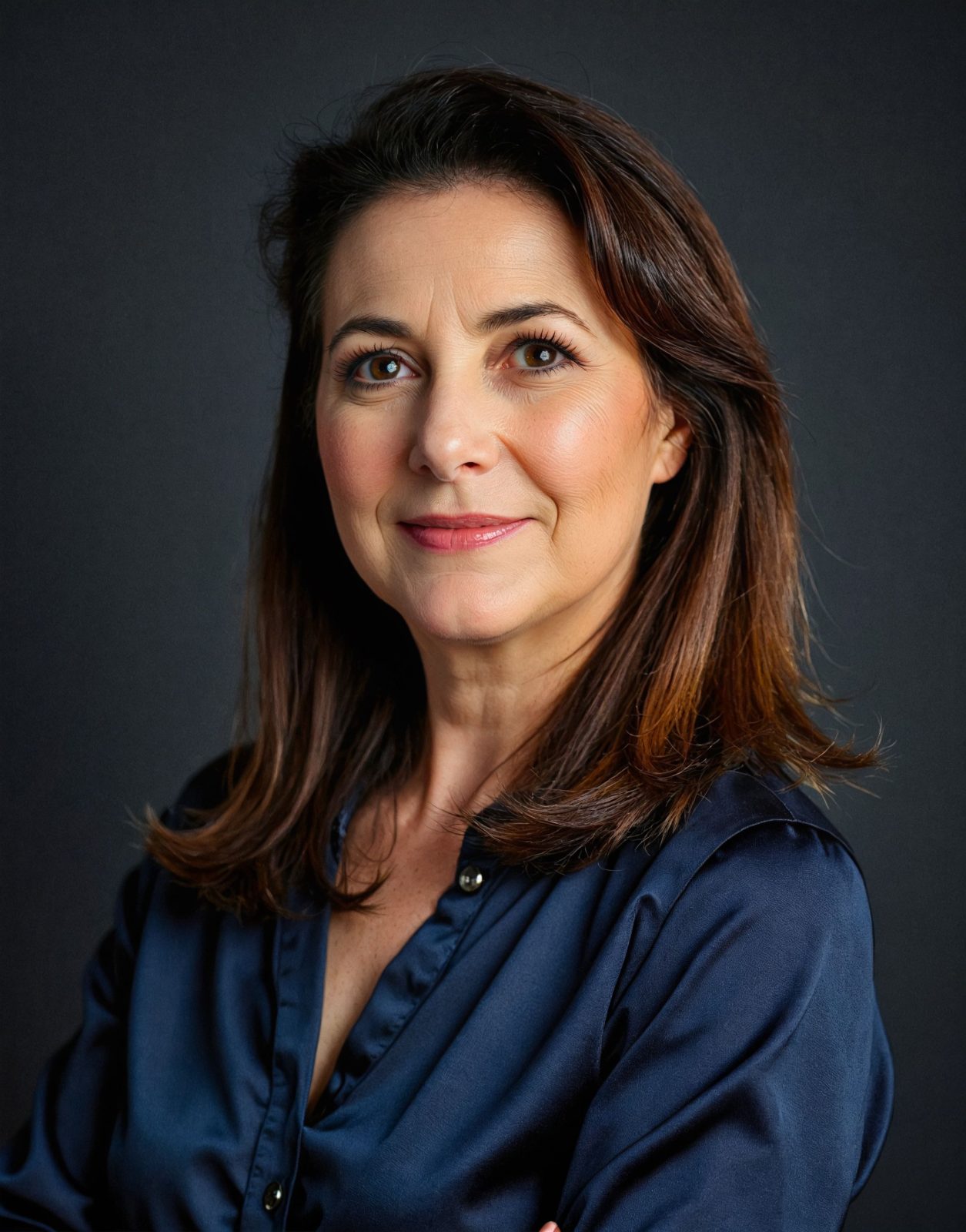
Candy Bellau, CFE, is the founder of Kramerica Business Solutions, a boutique accounting firm specializing in strategic oversight, and Vandelay Forensic Group, a licensed Private Investigator Agency in Louisiana specializing in fraud investigations and forensic accounting.
Candy is also the co-host, along with Samantha Hallburn, of the Unbalanced? show.? A nationally recognized speaker and educator, Candy is known for bringing clarity, humor, and humanity to complex financial topics.??
Originally from New York, she now lives in New Orleans with her husband, daughter, and six cats. When she’s not unraveling financial mysteries, Candy enjoys creating art through her crafting business, MonkeyTok LLC.
Her work is driven by one guiding belief: that integrity, accountability, and compassion are the foundation of every sustainable business.
Transcript
Liz Farr
Welcome to Accounting Disruptor Conversations. I’m your host. Liz Farr from CPA Trendlines, and here I’m talking to owners of firms who are doing things differently than our parents’ and our grandparents’ accountants and bookkeepers. My guest today is Candy Bellau, founder and president of Kramerica Business Solutions and Vandelay Forensic Group and co host with Sam Hallburn of the Unbalanced Podcast. Welcome Candy. So wonderful to have you.
Candy Bellau
Liz, I am honored. Thank you so much for having me. I thank you.
Liz Farr
Yeah, well, you know, I’ve seen you speak at a couple of things. I’ve listened to your podcast. I’m thinking, I’ve got to get this woman on. She has a lot to say. Now, just to start off, can you tell listeners a little bit about your different businesses, where you’re located, what services you offer, what kinds of clients, things like that?
Candy Bellau
So I’m located in Louisiana. We’re right outside of New Orleans, and Kramerica Business Solutions is my first company that I started. Currently, we are a boutique accounting firm that specializes in strategic oversight, which is a long road from where we started, but, and I will say Robina Bennion helped us figure that out. How to say it. What we do now is we work with companies primarily on a controller level, and we’re brought in either by audit firms, brokers, people that are trying to get the company to another level, and maybe their in house team doesn’t have the skill set or the knowledge to know the proper accounting needed. Maybe they’ve outgrown it, but they want to keep their team so they bring us in. We help them get over whatever hurdle they’re trying to reach, whether it’s an investor coming in, selling the company, or getting through an audit. I’m so sorry, and I’m sorry, Liz, I’m going to shut this alarm off or it will continue going on. So we, we get them past that hurdle, and we, we typically will stay on with them, but we don’t offer the continuity until we’ve already worked with them to see, we think of it as our dating phase. So maybe we’re helping them get through audit so their day to day team can stay on task and and then we decide, do we really want to continue working with them and maybe stay on so they get through everything. Most of the clients we end up working with and we enjoy, and most of our work does come in from other parties. We’re not really getting solicited from a business owner directly. Vandeley Forensic Group is my newest baby, and that is people that know me know I’m very passionate about fraud, about preventing fraud. That is the best kind of fraud, the one that doesn’t happen. I’m very intrigued about the human side of fraud, what leads people to it, and maybe indicators to see to prevent it. But Vandelay focuses on fraud forensic work, and we have recently become a licensed private investigator agency in Louisiana. We are not looking to trail people or deliver subpoenas. This is more to have additional tools if we are uncovering embezzlement, perhaps to find some assets and things to help people, or in divorce cases, that there are just additional tools as a PI that you have so we can help people recover funds.
“Are you crazy? You think I’m going to pay all that money for you to press a button?”
“Well, since you are so smart, I think you should press your own damn button.”
Liz Farr
That sounds great, you know, and I love your forensic background, and we’ll get into that in a little bit, but I just love it now. Something that I want to dig into is a recent post of yours on LinkedIn, where you mentioned that you had moved from being an operator to an owner. So what does this mean?
Candy Bellau
Well, to be perfectly honest, I always dreamt of that role, but I didn’t know how to get there, and circumstances out of my control forced me to do that. And what happened was my mother became ill, and she lived in New York, and I was at the same time running my firm. Didn’t have Vandelay yet, but I was also working for Woodard, so I was coaching and I was speaking and leaving for New York constantly, and I kept dropping the ball at my own company and my team, the the long term members kept picking it up, and slowly but surely, they just absorbed the client work I was doing, and then they started also taking on a lot of the pieces I would do in running the company, because I just was not present, or when I was my head wasn’t in the right space to make a decision or to deal with things, because I was worried about my mother’s next doctor’s appointment or not we getting into the facility, and what are we going to do? And, you know, just juggling, I’ve got to fly here, but wait, I’ve got a coaching session in an hour, so I’ve got to deal with that. And so it was just so much going on, and the my calendar was so jam packed that the ball that I dropped was my firm. Fortunately, my team picked it up and ran with it. And honestly, they did such a good job. They made improvements. They did things that were so much better, and they looked out for me. They brought me in when I needed to be there, so I always felt safe. And when mom passed, I still had things to do. I had to clean out her apartment. I went and I did that, and pretty much they were like, we’ve got this. And I was still doing stuff. But this year, 2025 I realized mentally I needed a reset, and I’ve been working since I’m 14. I’ve been supporting my family since I’m 16. And I turned 57 this year, but beginning of the year, I was 56 and I was like, it’s been 40 years of non stop grind, going, being responsible for everybody, taking care of everything. I don’t even know who I am. I don’t know what I like. I don’t have any interest outside of work and tasks that have to be done at home. And so I stepped back. I took art classes, I took improv classes, I met with the team, I talked to clients, I really was only handling like a little bit of client work, not much at this point, they’ve taken it all over, and they’ve given me that grace and that ability to recoup, and just I wrote a book, it’s at the editor, I started a podcast with Sam, and Anchor who is been a wonderful advocate and sponsor and producing it, I have reconnected with friends I haven’t talked to that were there, but I just didn’t have time. You know, I do Theater of Public Speaking, and it’s funny that I did all of that, and then I decided I was completely stepping back from speaking because I didn’t want to be away from my family. But in it, I found other ways to find and use my voice, and I think I feel free now talking, I feel like finally figuring out who I am and my firm will eventually go to my team members so they treat it like it’s their own business, so I don’t really worry, and they have sound enough judgment to come to me when I need to be there, so I feel safe.
Liz Farr
That’s That’s amazing. Now, when you started out with this, did you have processes for your team, or did they just kind of build it as they went
Candy Bellau
In the air, building the plane every step of the way. I am not I am organized. When you pay me to be organized, I can fix any company, structure it put it together. I would walk into companies and say, This is unacceptable. We need this cleaned up. And I’m like, oh, Lord, if they ever saw how I keep my stuff, they would not believe it. But I’m so good walking in somewhere else. I am the cobbler who has no shoes, you know? So I was doing it, but for me, I’m like, Oh, whatever. We’ll figure it out. I’m the visionary. I’ve got new ideas every week. I work with processors, and they needed structure, and so they built it.
Liz Farr
Wow, wow, you know. And how did you, how did you find these people who could do that? Did they just step up to the role, or what,
Candy Bellau
you know, you kiss a lot of frogs. And I have lucked out. The second person I ever hired is still with me.
Liz Farr
Wow.
Candy Bellau
And she did leave for a while, and that was primarily because she had sat for the CPA exam and needed hours, and I couldn’t provide them, so I worked with CPA firms, and I got one of them to hire her, to get her hours, but after working, they kept making her offers to stay and not come back, and finally they made an offer to her. She said, I just for my family. I have to accept it. I said, okay, but the door is always open. And I just kept calling her and saying, so you happy there, because like we miss you. And eventually she called me and said, Can I come back? And we’ve just hit the ground running. Since she’s been back, it’s been amazing. And I had grown at the my largest I was a team of 12. Currently we’re team of three, and I have two people so that original person and somebody that I had met at a client I was doing consulting for. We hired her in she was working at a daiquiri shop, which is big in New Orleans, and she was just coming in to help in the office, and she was so good and so smart. I said, you really need to go get an accounting degree. And I left there. Went on with my life. She went and got an accounting degree, and when my firm got busy, I called her and said, Would you be willing to do some side work on the weekends or nights? And she said, Sure. Started doing stuff. I saw her style, and I made her an offer. And she said, No, I’ll never leave where I’m at. I said, Okay, well, you change your mind, I’m here well. PS, she now works for me full time, and she’s just been a godsend. She’s been one of those people that I met her she was barely a teenager. Now she’s married with child. I’ve been to her wedding, you know, and that’s the whole thing. Is like we’ve gotten to know each other, and I know their work ethic, and I have zero desire to grow at this point. I just rather stay where I am and be happy.
Liz Farr
Yeah, you know, you you just nail it. You know, a lot of firms hear the constant drum beat of Grow, grow, but I’ve talked to a number of people here. Dawn Brolin is another example of somebody who figured out her sweet spot as a firm owner and just stuck to that. So I I think that’s just amazing that you’ve done that.
Candy Bellau
Oh, well, thank you. I love Dawn, and it took a lot of time because you kind of have to put blinders on and earmuffs, and stop listening to what everybody else is telling you. Because everybody is telling you you have to be this kind of firm, and you have to do this, you have to do these things, and it’s why, no, you don’t like, I don’t want to be the biggest firm. I want to be the happiest firm. That’s my happy now, yeah, and I want to be sustainable, which is something I had to learn.
Liz Farr
Yeah, happy and sustainable. Those are really big. Yeah, that’s really big. And, and your team, you know, it sounds like they’ve really just kind of grown up in this firm, so, what does it mean for them that eventually, you know, that they’ve helped build this thing that they will one day? Oh, what is it? What does that do for them.
Candy Bellau
Well, it’s been great. You know, I’ve been with them for a long time, but they’ve also worked at other places. So they’ve seen and experienced working somewhere else. Because I think if they’ve only worked in one place, it’s not the best scenario, but they do have experience outside of me. I they go to conferences so they see and talk to people. We’re all a decade apart, you know. So my 50s, the longest person I’ve had with me is in her 40s, and then the one under her is in her 30s. And you can see the differences between. All of us. And the one with the least amount of patience is the one in her 30s. I’m like, yeah, it was you when I was in my 30s. I get it. You know, everything irritated you. I’m like, when you get to your 40s, it’s going to start to go down. I go when you get to your 50s, even better. I said, I’m on the cusp of my 60s, and I feel it already. I don’t give a crap about a lot of things anymore, like I’ve learned what’s important, but you get so caught up in little things. And I’m watching her grow from who she was when I first met her to the amazing woman, mother, wife, person she is today is just my heart. And she got a text the other day from a long term client that would typically call me for a big problem, and she had a big problem, and she went to her Wow, and she sent me a snippet of the text message, and I said, the fact that she trusts you enough to go to you for that and not even call and mention it to me. I said, I’m so proud of you. I said, because this is a client that would only work with me and now feel safe and you know, and we talk about challenges they might come across when it’s their firm or the way they’re behaving, in the way I handled it, and remind them someday, somebody’s going to be working for you and have the same issue. Want you to remember how we got through it, right, you know? And just the different challenges. There are areas I’ve kind of protected them from, but we’re slowly bringing them in. I’m not ready to retire yet, but, you know, they’re taking more on, and I think it’s good and healthy so that they’re going to feel prepared when that time comes, and not like if I do step out, they couldn’t call me, you know, but I want them to feel secure that they’re ready.
Liz Farr
Well, you sound like the kind of boss that I wish I’d had, and maybe if I’d had someone like you, I’d still be in public accounting, or maybe I would be working side by side with you as an owner of a firm.
Candy Bellau
But anyway, it wasn’t always like that, people who are not happy with me. So you know, you learn. You learn the learning experience for everyone, absolutely.
“I don’t find fraud. Fraud finds me.”
Liz Farr
Now. Now, speaking of learning, you know, you mentioned that you’d been a coach with Woodard for a couple of years. What are some of the most common issues that you saw with firms?
Candy Bellau
I think pricing and confidence. I think people don’t give themselves enough credit for their skill set and their knowledge. I think they’re not charging what they should charge. They don’t take into consideration that just because it’s easy for them doesn’t make it hard for somebody else, and it’s easy for them because they’re experts, and they’ve been honing their craft and taking classes and getting better and working on themselves. So because they can do it quickly, they don’t place value on it, and they they short change themselves. They they need to, you know, if they’re going to stay around it, if their goal is to help, if they think they’re helping people by charging a low amount, you’re not, because you’re going to go out of business, and then you can’t help anybody. Then you’re going to go get a job, and you’re not helping the people you wanted to serve. So unless you charge enough to stay in business, who are you helping? If you can’t sleep at night because you can’t buy food or pay your bills, that’s not helping, and it’s not a good example for your clients, either.
Liz Farr
No, no, no, and pricing is is definitely one of the big issues that we have as a profession. And we’ve undervalued ourselves for so long that just to get to where we need to be is just such a huge leap.
Candy Bellau
Yeah, I tell this story, I had given a proposal to somebody, and he just said to me, are you crazy? You think I’m going to pay all that money for you to press a button? And I just said, Well, excuse me, but. You seem like a very intelligent man. And he said, I am. And I said, Well, since you are so smart, I think you should press your own damn button. And he got really angry, and I said, I don’t think this is going to work for either one of us. Then he called me back and he said, I don’t know what button to press.
Liz Farr
Yeah, exactly.
Candy Bellau
And he said, Do you think we could talk again? I said, Sure, I’m willing to talk to you. And he did. He came on board, but I wasn’t going to deal with that.
Liz Farr
No. I mean, you
Candy Bellau
know, press a button. I’m like, I’m a microwave, sure.
Liz Farr
I mean, you know, we’ve, we’ve undervalued it, and so just the awareness of what it takes to get there is is phenomenal. And I’m so glad that you stuck to your gun, because too often when somebody complains about the price now the first thing they do is, oh, well, I can, I can make an exception for you. I can, I can cut it. You know, would would 50% off be, be reasonable? And that’s just that doesn’t help us at all.
Candy Bellau
Yeah, no, and I’m not a fan of packages and tiers and all the rest of that, because if I’m being brought in, I’m being brought in to solve a problem, and being the expert, I know what you need, I’m not going to give you more than you need, but I’m certainly not going to give you less than you need, because then we’re not going to get through the finish line. So my price is my price, and there’s nothing that’s going to come off, because I’ve already, I know what you need, and we’re going to get you there, and this is the cost for it. So there’s no negotiations, there’s no extra there’s we know what we’re going to have to do, because we’ve, we’ve been through this rodeo once before, you know. So that’s how we work, and if it doesn’t work, there’s plenty of other firms out there. We’re not the firm for you.
Liz Farr
Now. How do you do your pricing?
Candy Bellau
I wish I could. I have a formula. I really I look at a couple different things. One is what needs to get done and in what timeframe? Because sometimes we’re brought in and it’s emergency, I can look through things enough to see how big of a mess it is, and just how much it work it’s going to take to fix it, because we can’t come in and pretend we don’t see that all this has to be fixed, you know, right? We’re going to have to fix it. There’s no ifs ands or buts about that. That’s not negotiable. So we look through that, I try to anticipate it, and then I look at, you know, and I did this a few years ago. Our work is mostly controller level, the median price, and this was several years ago. I’m not sure it is today, of a controller across the United States, 75,000 a year, right? So even three to $5,000 a month is a steal. a bargain, so I am saying, Okay, well, yeah, I know that that’s what it is, but maybe they’re not that big, or maybe they’re really not in that bad shape, you know? So I can look at that and say, I know, knowing my team and the resources and tools we have, where can we get it? Can we bring it in for them at a fair price that works for us and for them? And I look at that, I look at what’s going into it, I also will not bring work in with without thinking about my team, right? They all have young children. I am not bringing in a big new client over the summer. No, they’re only little once, so I want them to have the time over the summer with their kids. I will bring in new projects in the fall when they’re in school. That’s fine. We’ll take stuff on. Excuse me, I don’t bring things on over the holidays. I want them to enjoy the holidays. Liz, I as a recovering workaholic. This is so anti who I am, and it takes a lot of work for me to do that, but I look at all these factors, all the variables, and put that together with a proposal, and I do run it by them now also, and they give me feedback on the pricing, and they’re, they’ve been very good, and as much as I think I’m high, they’re like, Oh, you’re ridiculous. It needs to be at least this. You’re you don’t you think everything’s easy Candy. And they go through it, and they’ve been to enough conferences to see things, they usually rework the proposals until we’re all comfortable with it. We get it out, and typically we’re being brought in to solve a specific problem. And they’ve already been warned. You know, these are the people that can get you to the finish line, but they’re not cheap, so just be ready. And, you know, but we’re we’re trying to be fair. I’m not trying to gouge people, but I also pay my people well. And, you know, I have to take care of them, and I have to make sure I can provide for us and pay for insurance and pay for new computers and pay for continuing education and conferences and all the other things that go into health insurance, you know, all the things that go into them, feeling safe as an employee, I need to make sure I’m charging enough to cover that.
Liz Farr
That’s that’s the best way to do it, to look at it as capacity and what your team and you need to justify doing this rather than taking a job somewhere else or doing something different? Yeah. Now, when you were at Woodard, what are some of the pricing mistakes that you were seeing firms making
Candy Bellau
very low, too low, low prices monthly. And I I’m guilty of that. I did that for years. I priced too low for so long, my highest monthly price was $350 a month. Oh, that did not end well, I’ll put it that way.
Liz Farr
No, no, I would not imagine that would that would mean working an awful lot of projects, yeah, an awful lot of hours
Candy Bellau
and making no money,
Liz Farr
yes, going broke, yes, yes. Now, as we mentioned, you know, you are a Fraud Examiner, which I just love. You know, I think it is, it is some of the most intriguing work. How did you start doing that kind of work?
Candy Bellau
I did not go into it purposely. I say I don’t find fraud. Fraud finds me. So I would go in to do a job and uncover fraud. And it was like I just could sense it, find it, pick it out. I could read people really well. When I would talk to them, I would just go into places and observe what was happening. And I just could pick my people. And I knew things were going on. I didn’t know what, but I have to figure it out. And typically, I was correct, and I would uncover something. And I did that for years, and I would just always tell stories, thinking, let me tell you about this way they were stealing, thinking, this will help you to protect your own company or for your clients to look out for them. And I used to tell so many stories from so many cases, people just thought that’s what I did. And I’m like, no, no, I don’t do that. I’m just an accountant, and I just have found a lot of fraud. And somebody approached me, my friend Nicole Landau said she was a Fraud Examiner. I was like, what is that? I never even heard of it. And she said, Well, Kitty, I thought, that’s what you do. Don’t you do fraud work? I said, No, I just find fraud. And she told me about it, and I looked into I was like, Oh, that looks daunting. And then another friend. Um Allie, who said, you know, I thought about being a Fraud Examiner, and I changed my mind. I’m going to mail you all the study material. Maybe you’ll want to do it. She mailed it to me, and I just looked, I was like, Oh, that looks daunting. And then I met Dawn Brolin and at appy camp, and I was sitting there at the table doing artwork. Veronica Wasek, Dawn and some other people. And I asked Dawn about being a CFE, and I said, you know, I would go do it, but I just keep reading about how long it takes to study and take the test. And she just looked at me and just take the damn test Candy. She said, the hardest is the accounting part, and that’s easy for you. Just take the damn test. And I was like, Okay, that was in September, by Thanksgiving, I was a CFE. Wow, so, but then I went and I became a CFE, and now everybody wants me to speak and develop education content. So now I’m speaking and doing education. And everybody’s like, so tell me about your cases. I’m like, I’m not working. I don’t have any cases. I don’t doing anything. I’m just talking about it. And that was one of the things I wanted to get back into. But I’ve never been hired where they knowingly knew there was fraud. I used a lot of turnarounds, and so I’d be brought in. We don’t know why going under. Can you help us? You know, and you look and find things. But I don’t do so much of that anymore. But now we now my team finds fraud, because I’m not doing the work. They’ll call me say, Oh, you won’t believe what we found. And I’m like, Oh, good, catch. That was great. But I feel like I want to do that too.
Liz Farr
Yeah. Well, you know, during during my time in public accounting, we certainly did uncover some fraud, and when I finished up, my Master’s of Accounting, I had intended to become a Fraud Examiner, but there just wasn’t any support in the firm where I was to do that, so I kind of gave it up, but along the way, we found plenty of fraud. You know, there was a business valuation that I was doing as I was a Certified Valuation Analyst for a couple of years. There was a couple who were divorcing, and they wanted, they needed a business valuation to split up the family business. Ultimately, I figured out that what they really should have asked for was a forensic accounting, because the wife told me that the husband had been skimming cash off the top, but doing it in ways that wouldn’t make it obvious to outside parties, and by doing that, he managed to skim off just hundreds of 1000s of dollars that he sent back to his family overseas or paid for lavish vacations. He bought lots of gold jewelry for his wife, all these things, and when she explained all of this to me, I said, well, listen, you know, here are your options. We could do a forensic accounting, but it sounds like you were aware that your husband was under reporting his income because you were benefiting from it, and so, because you signed tax returns that you were aware were fraudulent, you will be jointly liable for any additional taxes. So do you want to go ahead with this? Yes or No?
Candy Bellau
I’m guessing. She said, No.
Liz Farr
She said, No. She said, No. And yeah, and so I did reach out to their their the CPA, who’d been handling their books and their tax reporting, and I told him what she told me. And I just said, you know, I just want you to be aware of this. Well, he was not really going to do anything about it, because he was in the process of selling his firm, so there was nothing he was going to do about this, huh? And, and when I told the wife later, yeah, I told your CPA about this. She said, Yeah, he was probably in on some of the fraud too, so I wouldn’t expect him to pursue it. Yeah, in this, yeah, yeah. There was a lot of weird things going on in that business. So
Candy Bellau
that’s so interesting. I didn’t know you did the valuations. That’s something we as a firm are thinking about. One of the team members getting certified in valuations, because I think with what we do. But nobody really is interested in going to school right now,
Liz Farr
I can understand that. And you know, I did it because there were three CVAs. All three of the partners were CVAs. But instead of doing the work themselves, they would push it down to one of us and say, well, follow the methodology and this report, and here’s some books, and you can kind of read. And so I was self educating, trying to figure it out as I went, and I finally just got so frustrated. I said, if you want me to do all this work, you need to send me to CVA school.
Candy Bellau
I’m so glad you did that. Yeah, wow.
Liz Farr
And, and so they did. They did, huh,
Candy Bellau
yeah, I think it would fit really well with the direction of work that we’re going in, or what we do people that are preparing for sale, yeah, to help give them ideas on things. It’s not needed now, but I think part of our long term plan is to add that as a service and to get certified in it. But you know, the fraud thing, because it wasn’t, you know, it just kind of happened. But the book that I’m putting together now is, how do you tell the difference between bad bookkeeping, bad management? You know, like you’re brought in. They’re saying, you know, we, we don’t have cash flow issues, whatnot. And it could just be they are bad business owners, you know, maybe they have things priced wrong. Maybe they don’t know how to job cost and figure out how much their costs really are, and they’re not making a profit. So that could be a big part of it. They could have, you know, their friend’s sister, doing their books, who she has a really organized recipe shelf. So we thought maybe she could, you know, how hard could bookkeeping be? We just put her in there, and she just doesn’t know what she’s doing, so the reports don’t really reflect where they’re at. So it could be that, or is it fraud? And so kind of leading people through the different scenarios and what it might be, because it doesn’t necessarily mean it’s fraud, right? You know, there’s things to look for to say, Oh, wait, maybe I should keep looking here, you know,
Liz Farr
yeah, yeah. And, like you said, sometimes it is just somebody not being a really great business owner, yeah.
Candy Bellau
And that’s hard to have to say to somebody, you know, because they want someone to blame it on. Of course, they’re they’re looking for a scapegoat. They’re looking they would rather hear nobody wants to hear somebody stealing from them, but they much rather hear that than you’re really bad business owner and that business owner, I say it that way, joking, but they’re just not informed, and they’re not getting the information or the tools they need to make better decisions,
Liz Farr
right, right? And that’s why they need people like you.
Candy Bellau
Us.
Liz Farr
Well, I don’t practice anymore. I only listeners. I. That’s true. That’s true. Yeah. Well, now I’m going to switch into some questions that I ask just about all of my guests. Many of us, unfortunately, learn best when we make a mistake. So what would you say is the most valuable mistake you’ve made valuable in terms of the lessons you learned?
Candy Bellau
Well, my saying is, I learned so much from my mistakes, I think I’ll make another one today, and my biggest mistake has been pricing, pricing and thinking mindset of, you know, this warped mentality of, I’m helping by pricing low and realizing I’m not helping anybody.
Liz Farr
Right? That’s, that’s a good mistake to make
Candy Bellau
it’s a very costly one
Liz Farr
very costly, very costly. Now you’re just leading a team of two. You previously led a team of 12. You have coached firm owners in leadership. You’ve spoken about leadership at conferences. What advice do you have for accountants who want to become better leaders?
Candy Bellau
Listen, listen more than you speak. Look for the subtle signs. Don’t micromanage. I think one of my favorite things I learned was when I wanted something, I would go and like, maybe create a spreadsheet and say, I want this. I already did it. I just need you to fill it in. Instead, go to your people and say, This is what I’m looking for. This is the information it needs to contain. Can you put something together? Because when I do it, they’re just going to do what I said to do. Right? When I give them the freedom to create, I’m always blown away. Either learned you clearly did not explain what you needed to happen better on that, right? Because sometimes like that is not at all what I thought I asked for. So let’s try this again, or I’m blown away with what they come back with. You know, I have like, Wow, this looks so juvenile. And they came back with like a dashboard, you know, and so letting your people, giving them the ability to make mistakes, making it safe to make decisions. I don’t want somebody coming to me with a question. I want them coming to me with proposed solutions. I would rather they say, look, I thought this would work. Here’s what I did. I’m now second guessing it. I’m concerned. I wanted to talk to you about it, that they feel safe to say they made a decision that now they think might be wrong, and let’s talk about it. And this way, I don’t like finding out there’s a big problem from an outside party, all right, I want to hear about it from my team as soon as possible so we can head it off. So I think listening, trusting, letting your team grow, yeah, and just getting a community of people that you can talk to,
Liz Farr
community is so, so important, and we think as accountants, that we should be able To do this all by ourselves. But not true, just not true at all.
Candy Bellau
It’s fun bouncing ideas. Hey, I’m running across this problem. What do you think? And running it through everybody and collaborating on a solution. I remember a client said to me, wait, accounting is something you collaborate on. Of course, so I just thought there was one way of doing things. I’m like, there is not one way of doing anything in accounting. There is, no, always multiple ways. And, you know, looking at it and talking to people really helps.
Liz Farr
Yeah, it really does. It does help. Now, what are some things that accountants should stop doing immediately?
Candy Bellau
calling themselves bookkeepers?
Liz Farr
Oh, yes,
Candy Bellau
I think you Know when people call up and say, Hi, do you offer bookkeeping services? No, we offer accounting services bookkeeping. We just call it accounting services, it immediately changes the mindset. And I know I’ve talked to people who are like, No, I want people to value bookkeeping. I just think that’s a harder fight to have, and I just say we do not offer bookkeeping. We only offer accounting services. Now my definition of that might be different than yours, but I think that once you do that, you’re immediately stepping up your game. And I’m not a CPA. You know, you don’t need to. I know there are certain rules in certain states that you can’t say certain things. I know Texas is notorious. You can’t say you’re an accountant, unless you’re a CPA. But, you know, I think there’s other ways to put it. that I feel like people think bookkeeping is a low value item, and they don’t want to pay for it, and so we can package it differently. And you know I say, and I’m just gonna come up with the numbers. If you could charge $100 for bookkeeping, you charge 200 for accounting services, but you charge 300 for controller services, and you could charge 400 for fraud work forensic accounting, right? Same thing, yeah. Is it tap water or Evian? How are you packaging your services and how are you selling them? Now, granted, there are different levels of scrutiny. You know, if I’m doing fraud work, I have to be able to justify it in front of a court. So there’s a different level of work that needs to be done. But is it any different from pulling the numbers correctly in bookkeeping or accounting or you know, so how are you packaging and defining yourself?
Liz Farr
Right? Right? Because it’s not just tallying up the numbers.
Candy Bellau
No, there’s so much. We are not data entry clerks, and you need to price to look at things, to think about them. To say to somebody, could you take a look at this or to have a moment to research something? If you’re not pricing enough to do anything but data entry, which will soon primarily be done with AI or automations, what they need is a human to look at it to say this is wrong. You know, yeah, you were there to do the oversight and make sure it’s correct.
Liz Farr
Yes, yes, you need the human to say these this doesn’t make sense. This doesn’t make any logical sense. This doesn’t follow the usual pattern that I see. You know, and and granted, there will always be clients out there who just want the bookkeeping. They just want, they just want some kind of income statement, some kind of balance sheet, you know, it doesn’t have to be right. Doesn’t have to be wrong. We don’t care.
Candy Bellau
They don’t read it anyway. They don’t understand it,
Liz Farr
you know? They just need to know that they can kind of use it to file their tax return, right?
Candy Bellau
They judge how well they’re doing by how much money is in the bank, right? That’s their temperature gage for everything. Yes, I don’t want those,
Liz Farr
no, no, no, no, no, and that that is part of how you build a firm that keeps your people as long as you have, because you’re not accepting those really terrible clients.
Candy Bellau
Now, yes, we try not to. That’s why we have our dating phase. We decide, do we want to continue seeing you or not?
Liz Farr
Yes, dating is a good thing. Yeah. Now what keeps accountants from making changes? I mean, they know they need to move into automation. They need to move into technology. They need to move into advisory. You know, they’re they’re hearing all over all the things they need to do. But what. Is keeping them from changing.
Candy Bellau
I think we all know change is the hardest thing for people to accept. And you know, you think, if you’re already bogged down and you’re working around the clock seven days a week, how do you carve out extra time to implement something that’s going to save you time when you don’t have the time to implement it. So I think a lot of it is, you know, it’s holistic. There’s issues, you know, of we need to look at, what are you doing that you don’t need to do, like, what? What What don’t you want to let go of that you really don’t need to be doing, that somebody else could do that you could give to another team member or bring in somebody to help you. But if you don’t, you have to have time to think. And I think I didn’t allow myself that for so long. And I think that’s the thing is, it’s just overwhelming to think about adding one more thing, even if you know it’s going to benefit you and it’s going to make things better in the long run, it’s just overwhelming to add another thing. And so I think there’s issues behind those changes that need to happen so that you could start to give yourself the permission and the space and the time and not feel guilty for doing a demo instead of doing client work, you know, and you feel that way. It’s like it’s ingrained in us, if we’re not doing the stuff we’re not, you know, like, instead of sitting idle, I used to sit and say, well, at least I’ll shred right now, because I’ve got to be doing something. You know, it’s like, you just like, well, wow, what if I just stopped and read a book? Yeah, you know, what if I called a friend and took a break? What if? What if I went for a walk? What if I did look at that other software, you know? What if I turn down that other client that we don’t really need, but I just haven’t learned how to say no, because when somebody calls and needs help, you have to say yes, and even if you don’t have the people that capacity, you take it on and just figure it out. Well, right? That’s not beneficial to anybody, no. So, yeah, I think it’s a lot of other underlying problems before making the changes that people need to make.
Liz Farr
You know this, it’s been kind of a common refrain that I’ve heard that there is so many things built up. We have this techno technology debt. We have this mindset debt, and until we can even just look at those and see them for what they are, and they’re not always intractable problems,
Candy Bellau
but also realistically, and I know I suffered from this for many years, it’s so much easier to hide behind the work because it’s socially acceptable, it’s what we do. And it’s this crazy badge of honor that instead of doing the stuff I should be doing, I can say, well, I’m doing client work, even if I know I don’t really need to. It gives me that excuse not to be doing other things, and nobody’s going to say anything, even if you know, and I used to use that to get out of social obligations, to get out of family things, to get out of everything in life I didn’t want to do. I just said, I’m sorry. I have to work. I’m an accountant. You know how that is. I mean, come on, did I really have to, you know, Roman Villard just did a post here, dinging on the plane, and they were looking for a medical professional. He said, thought about it. Never heard dinging on the plane, asking for an accountant. You don’t save lives, but we act like we do, you know?
Liz Farr
Yeah, yeah, we act like what we need to do is much more important than our own sanity, our own health and our team’s health.
Candy Bellau
And it’s our safe place. It’s the place where we’re smart, it’s the place where we’re valued. It’s a place where people think we’re great. You know, I like me. Cooking dinner is not the same feeling I get when a client is like, whoa. They just approved my loan. Thank you so much. You’re the best. So I get, oh, is this what’s for dinner? You burnt it like there’s no good feeling. About a lot of the other things in life I need to do, but it would be easier for me to say I’m just going to order dinner I’m going to work instead, because I can hide behind that, versus face these fears of just trying to be good at anything else other than what I do for a living, which I’m really I know I’m very good at it, but I hide behind that.
Liz Farr
Yeah, I think that a lot of people do that, and that’s why many people end up staying in careers for decades and decades. Yeah, I, I am an exception to that. I change careers drastically about every seven to 10 years, and
Candy Bellau
that’s amazing.
Liz Farr
Never, never look back
Candy Bellau
What’s the next thing for you.
Liz Farr
Well, the next thing is going to still be writing and just writing about different things. Okay, yes, yes. And there, there will be a book or two coming.
Candy Bellau
I love the idea of you writing a book for you instead of for other people.
Liz Farr
It’s about time people have told me yeah, we’re already Yeah, and so now, now I guess I have to. So okay, now I want you to pull out your best forecasting software. Think about your best spreadsheet and tell me. Where do you see the accounting profession in 10 years,
Candy Bellau
I’d like to think that we will be more collaborative and not afraid to work together, to talk together about what’s going on, how we’re pricing things, to realize there is enough work to go around for everybody, and we can do things together. I think we also need to understand that AI is coming, whether we want it to or not, things are going to be streamlined. There’s going to be changes, and you need to be open to trying new things, and to understand your what you’re going to bring to the table, is your ability to communicate to people what they need to know in the language they need to hear it in the way that is going to help them? Because, yeah, they may be able to automate the reports and all of their stuff, but what does it mean, and where are the problems, and where are the holes, and where are the things that could go wrong, and where is AI doing it incorrectly, you know, looking it over, pulling it together, being that safe spot, because we know, as business owners, who do we talk to? I’m not, you know, granted, I am in a different situation my team, because they’re taking the company, but typically you don’t talk to your employees. Do you really go to your spouse? Do they understand? Are you? And this is a mistake I made. Was pretending everything was okay with my peers, where now I don’t pretend anymore. I say, what’s really going on, but your business owners that you’re working with need a safe space to talk to, yes, and you’re that person, and if you don’t allow yourself time to talk to learn like you need to know what’s going on, you don’t have to solve all their problems, but I think you need to have resources around you that you’re aware of different things, that you could bring it to their attention.
Liz Farr
Yes, it’s that human touch, and this is what I’ve been hearing over and over that, yes, automation, AI will take care of a lot of the the numbers and the categorization, but we still need that human who will sit next to us and walk with us and help us to figure out what the next step should Be. Yeah. Yeah. Well, Candy, it has been just an honor to have you. And you know, I think we may have another conversation the future.
Candy Bellau
I think so. I think you need to be on Unbalanced. Yes, we need to get you there and share some of your wisdom.
Liz Farr
Yeah. Yeah, well, I don’t know if it’s wisdom. My wisdom is largely borrowed from the people that I talk to.
Candy Bellau
We’ll take it any way we can get it. And I know you’ve had enough stories in your life that could be helpful to others. Oh, yes. And I am looking forward to your book. I can’t think that well.
Liz Farr
I hope that it meets your expectation. Now, now, Candy, if listeners want to connect with you, where is the best place to find you?
Candy Bellau
I live in LinkedIn. That’s where I am. That’s where I post. I am very negligent in posting about my companies. I think right now I’m very peer oriented to try to help with lift the industry and speak and bring people together. But I’m on LinkedIn. That’s where you can find me. Candy Bellau, perfect, perfect and Unbalanced on Spotify,
Liz Farr
that’s right. And highly recommend it. If you want real stories about real people doing real things and talking about the things that we maybe haven’t felt we can talk about as professionals, but yeah, you and Sam are doing an excellent job with that.
Candy Bellau
Thank you. Thank you so much for that. It’s therapy.
Liz Farr
Yeah, yeah, I can see that. See that. Well, it’s been just delightful to spend part of my day with you, Candy, and I look forward to the next time we meet in person. Me too.
Candy Bellau
I can’t wait. Thank you so much for having me. It’s really been an honor to be here today.
Liz Farr
Well, the honor has been all mine, Candy. Thank you. Bye.