“CPA Firm Grows Prosperous by Heeding Its Own Advice.” The Wall Street Journal published an article with that title in their May 18, 1981 issue about my firm, and this column describes some of what we did.
The article began by stating there were about 28,000 CPA firms in the U.S., with about 19,000 being sole practitioners and many others with just two or three CPAs. These numbers are lower than now, so the profession and small firms have grown significantly in the last 40-plus years. READ MORE →
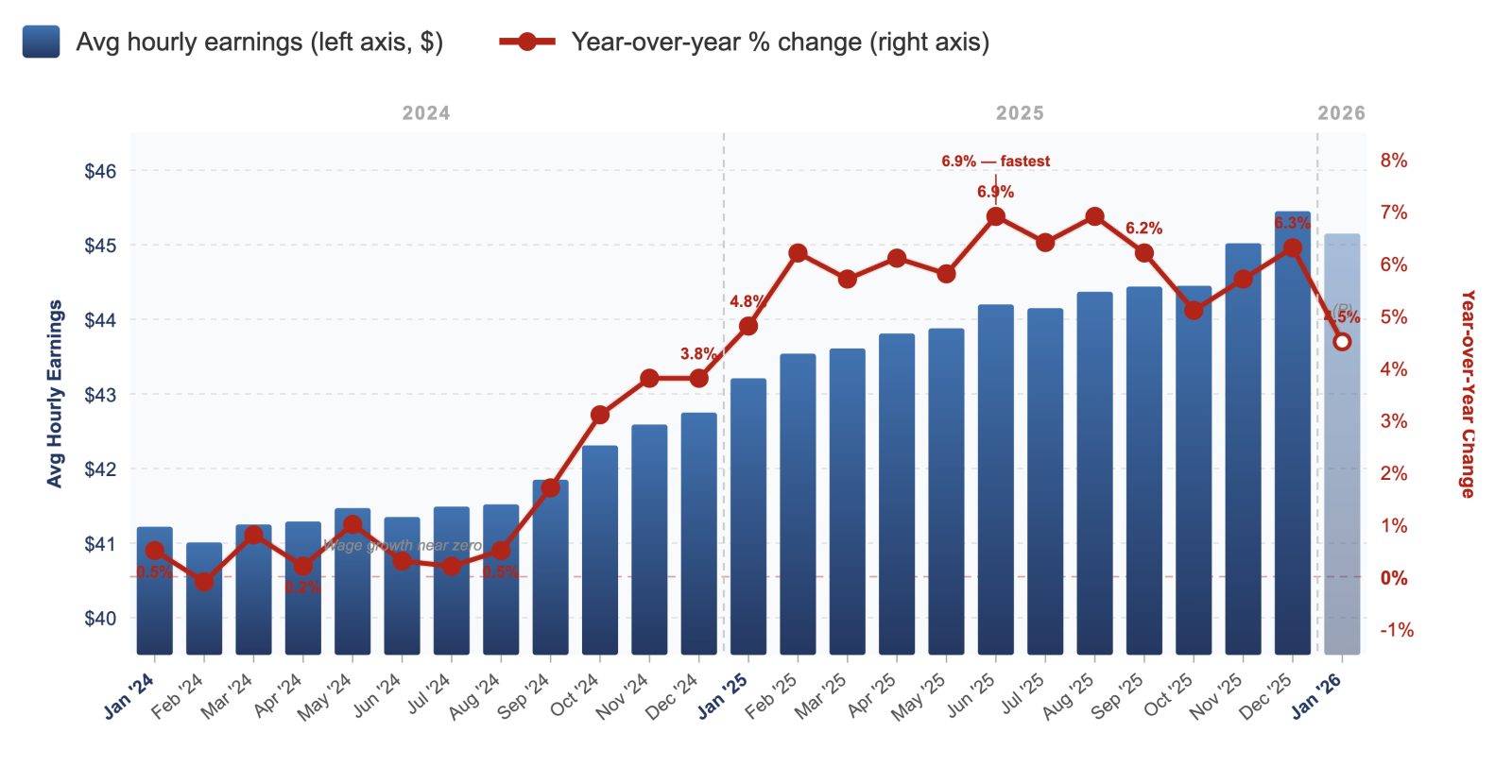
Wages for accountants and tax preparers are rising far faster than hiring as the 2026 filing season begins, even as early filing volumes trail last year’s pace.
Average hourly earnings in the accounting and tax preparation sector rose roughly 4 percent to 6 percent year over year, pushing pay for many accountants above $45 per hour, while employment across the tax and accounting sector is increasing only a few tenths of a percent.
If current trends hold, the accounting industry will process about 150 million individual tax returns in 2026 — roughly 0.4 percent more than last year — with nearly the same number of workers..
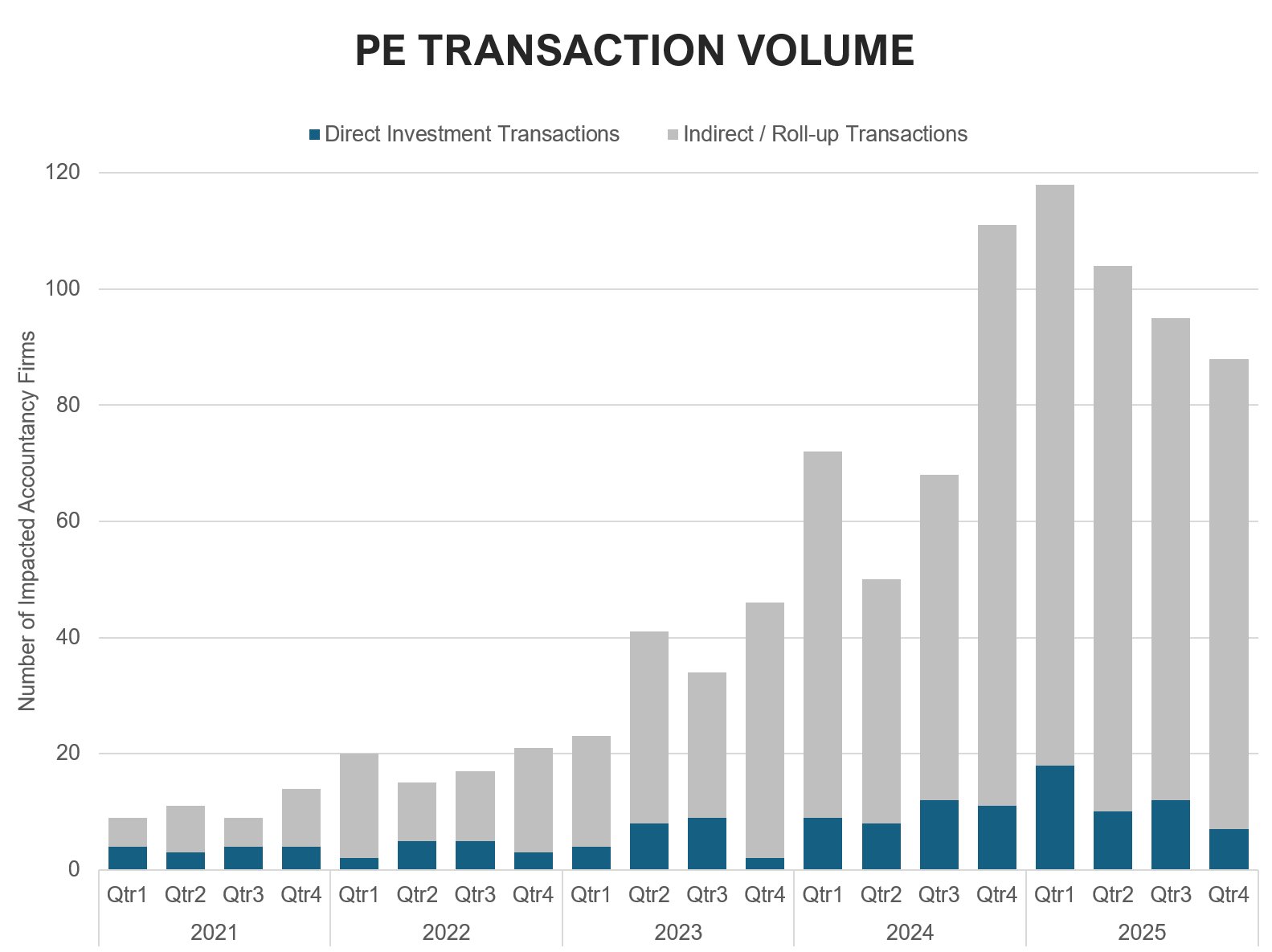
Fewer than 200 investors triggered almost 900 acquisitions.
Global issues: 1,052 total firms impacted, 177 direct PE investments, 875 roll-up acquisitions, 7.6× 2025 roll-up multiplier, 4× multiplier growth since 2021.
By CPA Trendlines Research
A multiplier that has grown fourfold since 2021 reveals a transformation driven not by new private equity entrants, but by platform firms consuming the mid-market at speed.
It belies the notion that PE is taking over the accounting profession. In fact, new global research argues that local and mid-size firms worldwide are taking control of their own futures and using institutional capital to pick up the tab.
The numbers that define private equity’s advance into accounting do not look the way most people expect. The headlines feature the big firms and the brand-name investors — TowerBrook Capital and EisnerAmper, New Mountain Capital and Grant Thornton, Ares Management and Baker Tilly. But the actual architecture of the transformation is being built one level below: in the relentless, largely unnoticed roll-up of smaller practices into PE-backed platforms.
How AI Accounting Went From Pioneering to Inevitable in 1 Month and 11 Years.
By CPA Trendlines Research
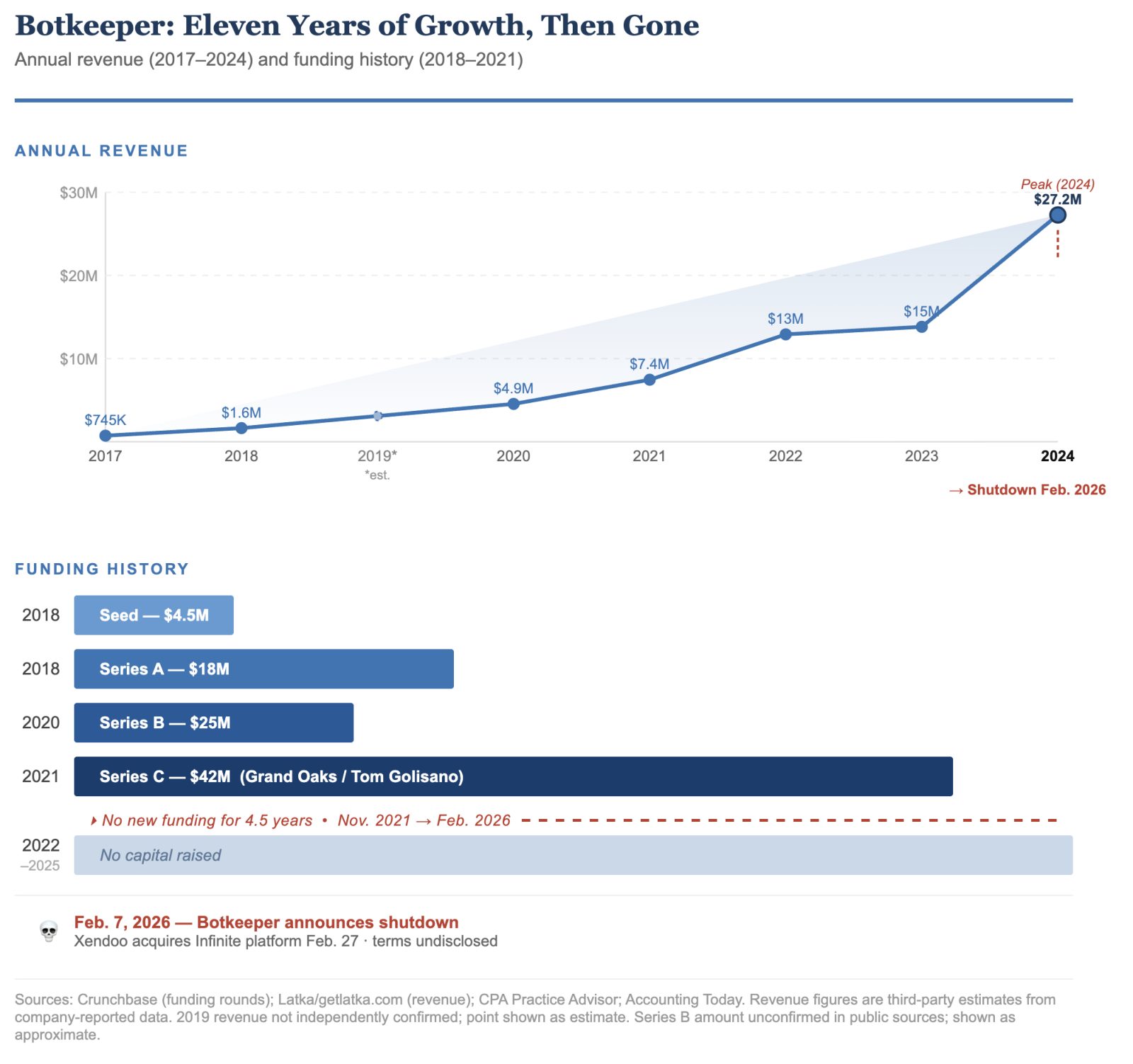
The $90 Million Education: Botkeeper spent 11 years and nearly $90 million teaching the accounting profession that AI could do real work. Basis, Fieldguide, and Accrual raised $250 million in a single month to finish what Botkeeper started.
In a matter of days, AI in accounting produced its most celebrated funding round and its most instructive collapse. Both developments were years in the making. Neither was a surprise to anyone paying close attention.
The leap from Botkeeper’s machine learning to Basis.ai’s agentic AI didn’t just change the technology. It changed which companies survive.
The juxtaposition is not just ironic. It is clarifying.
What happened in February 2026 was not a story about whether AI works in accounting. The research says it does.
It was a story about which business models survive the moment when AI actually arrives — and which ones get caught between the old world and the new one, having spent years and tens of millions of dollars building toward a future that materialized faster, and harder, than anyone expected.
Dealflow this year is running three times hotter than year-ago. By CPA Trendlines Research
The CPA Trendlines PE-CPA Deal Tracker™ logged 31 transactions in January 2026 and 21 in February — a combined 52 deals in the first two months of the year. The comparable figure for January–February 2025 was 16. Year over year, the pace has more than tripled.
January’s 31-deal total is the highest single-month figure in the tracker’s history, spanning more than 340 transactions dating back to 2016. The prior five Januarys combined — 2021 through 2025 — produced 24 transactions. January 2026 exceeded that five-year total on its own.

 Exclusively for PRO Members. Log in here or upgrade to PRO today.