Illinois CPA Society CEO lays out the three big challenges.
Gear Up for Growth
With Jean Caragher
For CPA Trendlines
“What got you to this point is not going to be what gets your firm to its next major milestone,” says Geoffrey Brown, president and CEO of the Illinois CPA Society.
MORE Jean Caragher here | Get her best-selling handbook, The 90-Day Marketing Plan for CPA Firms, here | MORE Gear Up for Growth | MORE CPA Trendlines streaming videos and podcasts here
“Be flexible. Be nimble,” he tells Jean Caragher in this episode of Gear Up for Growth. “Surround yourself with the right people and take advantage of opportunities that help you lead into the future.”
Brown outlines the forces reshaping public accounting and the leadership mindset required for the future.
Top Three Takeaways
- Private Equity Is Forcing Firms to Rethink Everything: While firms remain divided on private equity investment, Brown believes its presence is raising the competitive bar across the profession. “If this hadn’t happened six years ago, would we be doing much of what we had been doing for the previous hundred years? Maybe,” says Brown, “but it’s causing everybody to level up – and that’s an exciting opportunity for the profession.” Whether firms pursue PE or remain independent, Brown emphasized the importance of being intentional and strategic in governance, workforce planning, and client value.
- Advisory Is the Future, but Skills Must Be Developed: The shift from compliance to advisory services is real, and it requires new competencies. Research conducted by the Illinois CPA Society found that intellectual curiosity, critical thinking, and problem-solving skills are foundational for advisory success. “It’s not just what you teach, it’s changing how you teach,” Brown says. “If we want advisory to be a cornerstone of the profession, we have to develop those skills from the moment someone steps onto a college campus.”
- Demographics Are the Profession’s Biggest Structural Challenge: Declining college enrollment, lower birth rates, and retirements are long-term realities that cannot be ignored. “We can’t change demographics,” Brown notes. “But we can adapt. The organizations that get left behind are the ones that don’t double down on community, adaptability, and taking an audience-first approach.”
To address pipeline concerns, Illinois has expanded CPA licensure pathways beginning in 2027. But Brown cautions that success will be measured not by producing more accountants, but by producing more licensed CPAs.
“We don’t want the result to be just getting a bunch more accountants,” he says. “We need more licensed CPAs.”
More highlights:
- State CPA societies cannot expect younger professionals to simply “show up”. They must meet them where they find value and connection.
- Research conducted by the Illinois CPA Society shows that curiosity, problem-solving, and critical thinking underpin successful advisory work.
- Technology can enhance productivity, but the “human touch” remains essential in public accounting.
About Geof Brown
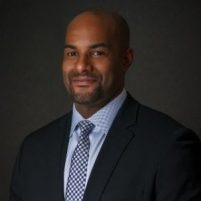 Geof Brown, CAE, is president and CEO of the Illinois CPA Society (ICPAS), one of the largest state CPA societies in the nation. Brown also serves as president and CEO of CPAs for the Public Interest and ex officio board member of the CPA Endowment Fund of Illinois. In 2023, Brown was named to Accounting Today’s Top 100 Most Influential People in Accounting list. A seasoned certified association executive (CAE), Brown has more than 23 years of experience in the association profession.
Before joining ICPAS in 2022, he served as CEO of the National Association of Personal Financial Advisors (NAPFA), the nation’s leading professional association of fee-only financial advisors, for nine years. Prior to NAPFA, Brown was an account executive with Sentergroup, an association manager at SmithBucklin Corporation, and held multiple positions with the North-American Interfraternity Conference.
Brown served as the board chair for the Association Forum and is an active member. He also serves on the American Accounting Association Foundation Board of Trustees, is an active member in the American Society of Association Executives, and is a board member with the AIDS Foundation of Chicago and the Association of Fraternal Leadership & Values. Brown earned his bachelor’s degree in government and politics from the University of Maryland.
Transcript
Jean: Hello. Thank you for joining “Gear Up for Growth”, powered by CPA Trendlines. I’m Jean Caragher, president of Capstone Marketing, and your host. Today’s guest is Geoffrey Brown, president and CEO at the Illinois CPA Society. Geof has over 20 years of association executive experience. His expertise includes strategic and operational planning, enhancing membership value, coalition building, organizational governance, government relations, fiscal management, and volunteer management. Geof, welcome to “Gear Up for Growth”.
Geoffrey: Thanks for having me, Jean. It’s good to be here.
Jean: You’re welcome. You’ve got lots of specialties there as an association executive.
Geoffrey: I mean, with 25 years in the business, it’s hard not to pick up some things along the way. I can tell you though, I haven’t done some of those things in a very long time.
Jean: So, you joined the Illinois Society in December of 2022, so you’ve been there just over three years. Tell us, what is your role there? How are you spending your time?
Geoffrey: Wow. Well, that’s a loaded question. So, it’s been a great three years, first of all. I think that it was just a tremendous opportunity. I always find myself walking into these professional roles just when these different professions are going through so much change. It happened in financial planning and wealth management with my last role. And now, I’m getting to witness and be an active participant in the way that the finance and accounting profession is remaking itself. So, I spend a lot of my time just really thinking and actively trying to steward the organization’s strategy, vision for the future, and just being an external ambassador for the organization’s mission. I feel pretty fortunate in that we are one of the largest state CPA societies, which just gives us a great platform to not only nurture and steward the profession here in Illinois, but to be an advocate and a thought leader nationwide.
Jean: So, your background is association management. You’re not a CPA. So, what is it like working with all these CPAs?
Geoffrey: It’s interesting, but I just don’t know any different. I think that just going back, my first association job was in the fraternal space. So, yes, I was a member of a fraternity, but I am a member of fraternity. But my next roles, we’re working with chief information officers and directors of IT for large corporations and then database administrators and then philanthropic services, and then my last role before this one was with financial planners. I can say that I’ve never been a financial planner, I was never a database administrator, and I’ve never been a chief information officer.
But one of the things that I prided myself on is just being able to immerse myself in what’s happening in and around the profession, being able to understand the day-to-day. I don’t have to be a practitioner, but my friends always ask me for financial advice, and they always ask me if I know anything about taxes. And I can say, I know enough to be dangerous, but I am not licensed or allowed to give you any advice of substance. But this role is interesting just because the CPA profession is so vast. You know, we’ve got members in public, we have members in business and industry. And just trying to understand everything that’s happening from one side of the spectrum to the other, it’s fascinating. You know, I found this profession and the professionals to be just welcoming. Some of the funniest people I know are CPAs. And it’s been a great three years.
Jean: Yeah, I’ve had the same reaction because I’ve been in accounting marketing for several decades. And first of all, CPAs are really smart, right, really smart. And a lot of them are really funny. I think a lot of times, CPAs get a bad rap, you know, that they’re boring, you know, and they’re so analytical, like, no personalities. And, yeah, there are some folks, you know, like that, but I’ve also met a lot of them that have great personalities and great senses of humor, which I always appreciate.
Geoffrey: Yeah, you know, and I think one of the other things that I find rewarding and I talk to our team about this all the time is the fact that, you know, our members are very strategic, meaning that they bring to the table, in terms of interfacing with us, the same skills that they use when they’re interfacing with their clients. And I think that that is a tremendous asset for us as an organization. It’s a great developmental opportunity for everybody that works at the Illinois CPA Society and has an opportunity to connect with our members, especially if they’re volunteer leaders. Because they bring the best, which means we have to bring our best so that we can all benefit the profession here in Illinois.
Jean: Now, you mentioned part of your role is taking a look at the vision for the Illinois CPA Society. So, tell us a bit about that. Like, where do you see the society going in the future, or how might it be different going forward? You know, there’s a lot going on, right? There’s all these networks and associations, and I’m sure you’ve got folks that say, “Well, why should I be a member of the Illinois Society? What am I getting?” And then you’ve got other people who are just very loyal and enthusiastic. So, give us a peek into what you see in the future.
Geoffrey: Yeah, yeah. No, I mean, I think that, you know, big picture, we really just want to be an indispensable partner in the growth of our members. You know, we want to make sure that we’re giving them the cutting edge education, the timely insights, advocating on their behalf, and ultimately, creating a dynamic community that’s going to enhance their professional success. You know, we know that professionals here in Illinois have a lot of options of where to spend their time, who to commune with, and we want them to think of us first. And if we’re not first, we want to be a close second. But ultimately, we want to be there with someone from the time that they consider majoring in accounting at the collegiate level to the time that they’re thinking about which beach they’re going to land on in retirement.
And so, we have to make sure that we have the right mix of educational and career-building opportunities, the right community aspects, and just the right amount of information to make sure that we are front and center for them as they’re going through that career life cycle. There are a lot of changes happening, and I think we have a great vantage point to make sure that we’re an arbiter of information for folks. You know, you can think about the fact that I probably get 20 emails before I even walk in the door for work about what’s happening in and around the profession. And so, if we can just cut through some of that noise and give people the information that they need so it just makes it a little bit easier for them, I think that’s a great role for us to play.
Jean: Right. Now, public accounting firms, which is really what we’re focusing on today, especially the smaller ones, you’ve already said there’s a lot of change going on, technology, talent, expectations that clients have of them. How does the Illinois Society help its members stay competitive?
Geoffrey: Well, that’s a great question. I think the first way we can help them remain competitive is just to let them know that they have options. Meaning, when you think about what’s happening in and around the profession, especially as it relates to public accounting firms, you know, you see in the news, it’s like, “Well, this firm took a PE investment, and this firm is merging with that one.” And we just want everybody to know that you have options, but you have to be intentional, you have to be thoughtful.
And we want to make sure that we’re there creating those communities of practice that allow people to connect with firm leaders that are in their same circumstance. You know, we want to be a thought leader around the issues that really matter. And so, you know, you have to think about what’s happening from a strategy perspective, what’s happening from a firm governance perspective, what’s happening technology, and then ultimately, workforce. And so, we want to make sure that we’re bringing all the tools to the table, all the information to the table that covers those four big picture areas so that we can help firm leaders be really good stewards of their organizations.
When I first started with the organization, I spent the first 60 days having a lot of breakfast meetings, a lot of lunch meetings, and the occasional dinner. But it was just really a great opportunity for me to immerse myself in the day-to-day of what firm leaders were dealing with. You know, I think that that was three years ago, and much of what I heard is still relevant and valuable, but so much has changed. And so, the other piece of advice that we try to advance with them is, “Hey, be flexible, be nimble. What got you to this point is not going to be what gets your firm to its next major milestone. So, surround yourself with the people inside of the Illinois CPA Society community, take advantage of the educational and skill-building opportunities that we have to really help you lead your organization into the future.
Jean: It’s interesting, that whole PE, you know, the private equity conversation is so interesting because you’ve got some firms diving in and you have others proclaiming that they are forever independent and they are not taking it. So, it seems like there’s a couple of sides that you hear. And then you have folks like a Richard Kopelman, you know, who swore off PE, you know, an Aprio and son of a gun.
Geoffrey: You swear it off until you don’t.
Jean: Exactly. You changed my mind, you know, and they worked the deal, you know, how they wanted it done. So, it’ll be interesting to see in the future how all of that pans out.
Geoffrey: Yeah, you know, I think ultimately, this is going to be great for the profession, for the firms that decide that that’s right for them, but then also, for the firms that want to remain independent because it’s causing everybody to think about how they’re operating, the value that they’re delivering to their clients, how they’re taking care of their people, and just really what’s going to make them be competitive well into the future. You know, I think if this hadn’t happened six years ago, you know, would we be doing much of what we had been doing for the previous hundred years? Maybe. But I think it’s just really causing everybody to level up. And that’s an exciting opportunity for the profession.
Jean: Right. Another conversation that’s been going on for a long time is how CPAs can be the trusted advisors for their clients and be truly advisory and not just compliance oriented. Do you see that happening more, especially with all the discussion around CAS, and AI making their jobs, you know, being more efficient, that opens up time for them to spend more time with their clients and be more advisory? Do you see it happening?
Geoffrey: Yeah, no, I think the firms that have listened and heard that message are certainly leaning into that idea of like, let’s stop looking backwards and look forwards. You know, I think when you think about some of the things that we do from a compliance perspective, it definitely gives you a great platform and a great connection with your clients to go to the next level and say, “You know what? This is what we learned as we were conducting your audit, and here’s what’s going to apply to the next couple of years,” or if you’re doing tax work, “Here’s some opportunities for you to change the way you’re structuring your business to deliver more insights to your clients.” And I think that that’s incredibly important.
You know, I think as a state society, you know, one of the opportunities that we have is just to continue building that community of practice around the advisory work, because there isn’t… You know, people aren’t just bringing those skills to the table innately. And it’s like, “Where’s the advisory conference? Where am I going to pick this up?” You’re not learning it on campus, yet. And so, there’s an opportunity for us to help people develop those skills. And that’s the biggest piece that I hear from members of the Illinois CPA Society is like, where do I go? How do I learn this? And, you know, you may have some lateral hires where people are bringing those skills to the table just matter of factly, but there’s an opportunity for us to help the professionals develop those skills.
We did a piece of research last summer, and it was really looking at talent readiness and the skills gap. So, as part of that, we surveyed early careers, you know, less than three years of experience, there are people managers, just to really uncover, you know, what are the skills that people are really going to need to be successful now and into the future? And the finger pointed directly at some of the things that are underneath advisory skills. So, that intellectual curiosity, problem solving, critical thinking.
And, you know, it’s very difficult to teach that on a college campus. It’s very difficult to teach that in the first couple of years of employment. And so, it was loud and clear that if we want to lean into this as a segment of business opportunity for firms and employers, then we need to figure out, how do we start developing it from the moment someone steps foot on a college campus to the time that they get into the workplace? And so, that’s a conversation that I’m incredibly excited about just because it’s not what you teach, per se, it’s changing how you teach that’s going to allow someone to really lean into the advisory work. It’s going to be a cornerstone of the profession in the future.
Jean: So, that places the accounting professors at the colleges and universities to also be communicating that message that it’s not all about the numbers, but it is also, how do you ask good questions? How do you build a relationship with your coworkers and your clients? Is that happening? And do the professors still…? Because I remember back in the day, all the talk about starting their careers, at that point, it was the big eight, you know, or the big six, and now, of course, the big four. Is that still the message that the kids are hearing?
Geoffrey: I think so. I think that, you know, in this post 150 world-ish that we’re dealing with, I think a lot of the programs are looking for, how do we make ourselves more relevant? How do we make ourselves more impactful? And they’re really interested in, you know, what are the skills and attributes that the profession is going to demand of their early careers? And, you know, when we did that research, you know, we were definitely cognizant of the fact that there’s only so much shelf space on a college campus. Meaning, you know, we want people to be career-ready from a technical standpoint. We want them to be, at least, you know, partway on their journey to being able to sit for the exam, for sure. And so, that means that some of the other audiences, professional organizations like ours, their employers, for sure, definitely their people managers, and then those early careers themselves need to take some ownership of developing some of the skills that are going to be important.
So, no one segment has the market cornered on helping develop these advisory skills, but we all have a role to play. And I think, you know, academia is certainly interested. You know, we’ve had a lot of great dialogue with some of the leaders of the educational institutions with accounting programs here in Illinois. And so, very excited about the opportunities. But, you know, higher education is a very different beast. It’s a very different beast than 2026 than it was in 2020, than it was in 2010. And so, we just need to acknowledge that, “Hey, if we’re going to do this and develop those skills for our early careers, we have to do it together, and everybody’s got to claim a piece of it.”
Jean: That’s a great answer. And I would add to that, and I think you’ll agree, the students themselves need to be responsible for their careers and how they embrace learning. I know we’re chuckling here now because it’s not all up to everybody else to make it happen for them. You know, they need to take their own responsibility.
Geoffrey: Yeah, no, I think that’s an important reminder, Jean. You know, this career ownership, that’s definitely something that we’ve been talking about and really trying to think with our young professionals. What does that mean to you? You know, what does it look like? Where are you looking for opportunities to develop professionally? What’s missing from the equation for you? And I think for the most part, they realize that the world is changing around them and they need to step up to the plate just as much as they’re going to demand that their employers be good stewards of their experience. So, you know, the ones that are going to be successful or want to be successful will advocate for themselves. But we also have to be there right alongside and just being good stewards of their experience.
I mean, I think the way we worked 20 years ago, 30 years ago, 40 years ago can’t be the way that we work today because there’s a lot of competition for the next generation workforce. When you think about the demographic challenges that we’re facing, there just aren’t going to be as many people participating as there were in the past. And, you know, you mentioned AI. Some would argue that that’s going to solve some of our problems from a people perspective, but it’s not going to solve all of them. It could make people more efficient, could make people more effective, but you still need that human touch on a lot of what happens in and around public accounting.
Jean: Agreed. Agreed. Now, you mentioned the 150-hour rule before the CPA licensure in Illinois. Did I read that there’s something in the works for 2027? Or give us an update on where Illinois stands?
Geoffrey: So, the governor signed our legislation in August of last year. So, as part of that, we added two additional pathways to licensure. So, a bachelor’s degree plus two years of experience and a master’s degree plus one. So, that’s very consistent with what you’re seeing across the country. And so, we also added some changes to our practice mobility. So, the practice mobility changes went into effect on January 1 of this year, and then January 1 of 2027, we’ll have the pathways available. So, that’s what we’re looking at right now. We are in the middle of partnering with the state agencies of record to complete the administrative rules. So, that’s the heavy lift at this point from an advocacy perspective.
But on the sidelines of that, you know, there’s a lot of dialog happening with current college students, future college students, the education community, firms and employers, and certainly career influencers about, what is the road ahead look like? You know, I think that everybody expected the moment this became available, it would automatically change things, but we have a lot of work to do. You know, there’s a lot of confusion, if you will, about, you know, the timeliness of this, who would have access to the new pathways, things of that nature. And we just want to make sure that we’re cutting through that noise so people can start planning for their careers.
You know, one of the conversations that we’re having here is, okay, you know, we took down what was perceived as a barrier to entry, if you will. And we don’t want the result of that to be just getting a bunch more accounts. We want to do this because we want more licensed CPAs. Yes, we’ll get some more accountants, but we need to focus on getting people to sit for the exam, and ultimately, become licensed. Or all of this, you know, won’t be as worthwhile as it should have been.
Jean: Right. Right. And that change, I don’t see any negatives to it. I think it’s all positive. It would enable more people to become licensed, right, as CPAs. This has to help, you know, recruiting and retention. Because there are alternatives to how to get their CPA credential.
Geoffrey: I mean, I would hope so. I mean, we heard time and time again that, yes, the people that ultimately got licensed find a lot of value in having it from a career sustainability perspective, having options, lifetime earning potential, all that good stuff. But then we also heard from folks that I can’t afford, you know, another year of school. And we know the time and cost involved in pursuing that fifth year, whether you’re just doing a straight 30 or what, was certainly something that was daunting for a lot of people. You know, we have a lot of first generation college students. We have a lot of folks that are working to put themselves through school. They may be have returned to campus to finish out their educational studies. And, you know, this was something that may have caused them to step back and second guess or, you know, think again about pursuing accounting as a major, and ultimately, becoming licensed. And, you know, now that that’s off the table, we can have a very different conversation with them. And I’m looking forward to that.
Jean: Right. Absolutely. What do you see as the biggest challenge for CPA societies over the next five years?
Geoffrey: Wow. Yeah, that’s a good one. You know, honestly, I think they’re really just the… When you think about the membership decline, so that was one of the things that as I was coming into this space, you know, I left an organization that was growing. When you think about financial planning, wealth management as a career field, you know, expanding, you know, like gangbusters, which is great. And so, it was really one of the things that people were like, “Well, you’re sure you want to go over into the CPA world where it seems like there’s less people majoring in accounting, there’s less people getting license, which means there’s going to be a downstream effect on the organization, the organization that you’re going to go work for?” And I was like, “Yeah, this is a great challenge because it is a legacy profession that has a great future when you think about the impact that it can make, but we have to continue focusing on what’s going to make this model, our organizations relevant to the next generation workforce.”
And that’s not a challenge that’s unique to state CPA societies or other professional organizations in our space, this is an issue across the board for all professional organizations. You know, there’s a lot that we can do about the experience and the products and services that we offer, but we can’t necessarily change demographics. You know, there are less people going to college for sure. The declining birth rate. There’s a lot of people retiring. We can’t change those things, but we can certainly adapt to it and really think about, you know, what’s going to be that new niche for us.
We can certainly think about how we’re going to deal with the impact of technology on our members lives. So, just really thinking about, what are the things that are going to make us that indispensable partner? So, I think the biggest challenge would certainly have to be just, what’s happening from a demographic standpoint? You know, meaning less bodies to take up the seats of the people that are going to be departing. But we have to think about, you know, what do we have to change? We have to embrace new technology. We have to evolve the experience and really make sure that we’re meeting the expectations of that generation that’s going to be sitting in the seats that, you know, currently are occupied by folks that came up in the ’70s, ’80s, ’90s, because, you know, it’s important.
You know, I’ve often said to our team that the organizations that get left behind are the ones that don’t double down on that sense of community, they don’t focus on being adaptable, and they don’t want to be thought leaders, and they don’t take an audience first approach. Meaning, we can’t just expect people to show up and do the things that they’ve always done with us because this next generation doesn’t know us. You know, we’re not playing, right now, in the spaces where they find a lot of value, where they find information, and where they find connections. And if we’re not willing to do that, then we should probably walk away from this. But luckily, I’ve got a great team here at the Illinois CPA Society, great volunteer leaders, great members, and we want to be in this space.
Jean: Wonderful. Well, my last question is a bonus question. I know. I always love the bonus questions. What achievement outside of your career are you the most proud of
Geoffrey: ? Oh, wow. Wow. I think there’s two, if I can do two. You know, I think one of the things that’s incredibly important to me is just giving back to the community. So, back in 2018, I was fortunate enough to join the board of the AIDS Foundation of Chicago. And so, you know, I think that, ultimately, serving as chair of that organization last year, actually, for the last three years, is probably one of the most impactful achievements that I’ve had. It’s a great organization that does a tremendous amount of work for people living with HIV and AIDS here in Illinois. And so, really proud of that. And I found my way to the AIDS Foundation because I wanted to run a marathon.
So, the second one would be, this was 2011. I was like, “Oh, I want to run a marathon.” I’d missed the cutoff deadline. And so, I did it through charity. And it was with Team Dan AIDS. And that was my first connection to AIDS Foundation. And, you know, 20 marathons later, I finally hung up the shoes. I hung up the shoes last year. I’m like, “You know what? I’m going to do shorter races. I just can’t do this anymore.” I think serving as chair of that board. And then, you know, I only thought I would do one, but, you know, hitting 20. And I know there are people that have done hundreds, but, you know, my friends from college were like, “You wouldn’t even walk to the gym that was behind our house. And you run marathons now?” I’m like, yes. You know, for me, it’s the discipline, the challenge, the focus. I think that that cuts across all aspects of both personal and professional life. And so, yeah, those would be the two things that I mostly do.
Jean: That is wonderful. Okay, so I need to ask, where are the medals?
Geoffrey: The medals are at home.
Jean: On display?
Geoffrey: There are some that are on display and some that aren’t. And that’s only because my spouse was like, “You have to pick. You can’t have them all.” So, during COVID, when we were working from home, primarily, I did have kind of the backdrop with like all of them hanging. And then one day, I think the shelf got a little too heavy. So, that could have just been bad installation on my part, though.
Jean: Oh, my goodness. This has been a delight. I’ve been speaking with Geof Brown, president and CEO at the Illinois CPA Society. Thank you, Geof, for sharing your thoughts with us today.
Geoffrey: Thank you, Jean. This was great. Good conversation.
Jean: And thank you for tuning in to “Gear Up for Growth”. Be sure to check us back next time when we focus on another topic crucial for accounting firms aiming for smart growth in today’s competitive marketplace. I’ll see you then.