A roller derby skater, crypto auditor, and accounting leader shares why belief, sponsorship, and community shape the future of the profession.
This is a preview. The complete 1-hour video episode, with commentary and transcript, is first available exclusively to PRO Members | Go PRO here
Sponsored by True Advisor by Hitendra Patil | See Today’s Special Offer
Subscribe to CPA Trendlines Research podcasts anywhere: Apple, Google/YouTube, Spotify, iHeart, Deezer, Amazon Music, Audible, Player FM, Audacy, RSS.
MOVE Like This
With Bonnie Buol Ruszczyk
For CPA Trendlines Research
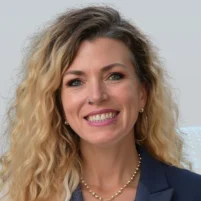
In this episode of MOVE Like This, Chelsea Sowers, incoming President of the Accounting and Financial Women’s Alliance, audit manager specializing in cryptocurrency assurance with The Network Firm, and “Bitcoin Barbie” on the Atlanta Roller Derby team, joins Bonnie Buol Ruszczyk to discuss leadership, retention, mentorship, and the realities shaping women’s careers in accounting today.
Quotables:
- On retention and leadership: “Recruitment isn’t necessarily the problem. It’s retention at the manager and director level where we’re really losing people.”
- On sponsorship: “A lot of leadership development is just someone saying, ‘I think you can do this,’ before you say it to yourself.”
- On mentorship and impact: “It’s not just about getting a seat at the table these days. It’s about making more seats.”
- On caregiving and leadership: “These are the same women who would be partners and principals in five to ten years. That’s not a time to replace them. That’s a time to keep them and grow them.”
- On future leadership: “I want them to see leadership as available to them early, not something they have to fight and claw their way into alone.”
- On building the next generation: “I want to build a profession where the next generation doesn’t have to keep borrowing belief.”
7 Key Takeaways:
- Retention challenges extend beyond recruitment. Firms may successfully attract talent while struggling to retain women at manager and director levels where future leaders emerge.
- Sponsorship changes careers. Career growth often depends on people who actively advocate, create opportunities, and reinforce belief before professionals see it in themselves.
- Professional communities fill important gaps. Organizations like AFWA provide belonging, mentorship, leadership experience, and support outside employer structures.
- Caregiving shapes leadership pipelines. Flexibility and support during caregiving periods may influence whether experienced professionals remain on leadership tracks.
- Leadership looks different for different people. Future leaders benefit from seeing diverse leadership styles and clearer paths to advancement.
- Belonging supports retention. Feeling supported and understood professionally can influence whether people stay and grow within the profession.
- No one advances alone. Behind many successful careers are people who opened doors, advocated, or offered belief at pivotal moments.
About Chelsea Sowers, CPA
Chelsea Sowers is an audit manager in TNF’s attestation practice and a CPA with more than six years of public accounting experience, including three years specializing in digital asset accounting. She has worked extensively with blockchain and cryptocurrency financial reporting, providing audit and attestation services to companies in the digital asset industry. Her expertise includes financial statement audits, compliance assessments, and risk evaluations, helping clients navigate the evolving regulatory landscape. Sower’s deep understanding of digital assets allows her to provide valuable insights into industry best practices, financial controls, and reporting requirements. Beyond her professional work, Sowers is dedicated to advancing the accounting profession and fostering inclusivity in finance. She currently serves as President-elect of the Accounting and Financial Women’s Alliance (AFWA), where she supports the development and empowerment of women in accounting and finance. A Bay Area native, Sowers earned her degree in accounting from California State University, East Bay (CSUEB). With a strong commitment to excellence, leadership, and innovation in digital asset accounting, she continues to make a meaningful impact in her organization and the broader financial community.
Transcript
(Transcripts have not been edited for spelling, grammar, or punctuation.)
Bonnie Ruszczyk 00:01
Welcome to Move Like This, brought to you by The Accounting Move Project, and sponsored by Baker Tilly, the Accounting and Financial Women’s Alliance, the Center for Accounting Transformation, and CPA Trend Lines. On this podcast, we share ideas and hear from firm leaders and others influencing the profession about what it takes to build better firms, support the people in them, and strengthen the accounting profession as a whole. Now, on to our guest. Hello, and welcome to today’s episode of Move Like This. I am really looking forward to this conversation today, because it is with one of the people I just really enjoy spending time with, Chelsea Sours. She wears a lot of hats, like I do, and many of you do. She is an audit manager at the network firm. She is the president elect of the Accounting and Financial Women’s Alliance, and she’s also the head of business operations, and on a team for the Atlanta Roller Derby. So, as we were talking just a moment ago, we are both very tired, so I really do appreciate you being here today, Chelsea.
Chelsea Sowers 01:23
Yeah, thank you so much, Bonnie, for hosting me. And I think it’s just a real honor to be on here with you, because I know AFWA has been involved with the Move for years with the Move Project, and I really believe, like, the research that you built is part of, like, how I started, like, really think about leadership pipelines, which is like really a big part of why I felt ready to step into this current role, which is the I’m the President Elect for A FWA, and so I will be stepping into my role, the presidency coming up here in the end of June, and so July 1 will all be manning the ship, and it’s a little bit scary to think about, but I also, I know this, like a lot of people that like believe in me here, so I’m also an audit manager, the network firm, so I specialize in cryptocurrency audit and assurance practices, and then, as you mentioned, pretty much like my hobby that, like, has taken over my life is roller derby. And pro tip, if you join anything for fun, don’t tell them you’re a CPA, because they will put you to work. In all seriousness, I actually really love it, and the work I’ve been doing with them is so rewarding. So, yeah, thank you again so much for hosting me today.
Bonnie Ruszczyk 02:43
Yes, well, I have such a soft spot in my heart for the Accounting and Financial Women’s Alliance, because they have indeed been kind of a sponsoring move, I believe, since the very beginning, like 15 years ago, long before I was part of it. It is where every year we release our results of our survey and our research for that year at the Women Who Count conference in October, so yeah, we have a lot of connections here, but I want to start off by talking a little bit about AFWA, and you know, you’re obviously stepping into that presidency at a time when accounting firms are kind of talking a lot about pipeline challenges, which you mentioned there, retention, leadership development, and a variety of other things. So, as you kind of are stepping into this role, what do you think women in the profession need most right now, and where do you hope AFWA can have its biggest impact?
Chelsea Sowers 03:51
Yeah, so, well, I think I’m seeing a lot about this question. It’s crazy just how much the job market has shifted since I entered the field in December 2019 but in the same way, like thinking about like pipeline and retention, going and through your career progression, as you know, a woman in accounting, I really believe that like recruitment isn’t necessarily the problem, but it’s like retention at the manager and director level, where we’re really losing people, we really need visibility into our long-term career path, not just simply a way in, not just simply a seat at the table, but a map of like what to do once we get there, and so I think a lot of the professionals that are coming up, especially like out of the kind of the COVID school era generation, they want and expect a lot more flexibility, mentorship. They really like value being authentic and also having community. So this is really where I want FWA to have this impact, you know, very. Like helping to build these leadership pipelines, peer networks, and you know, having this cross-generational mentorship that I really found so helpful when I was younger, or when I was first starting my career, and it’s really hard to get that within the individual firms. Yes, most firms that I worked at, I did have some sort of career coach, and some of them turned into a very valuable mentor for me. It’s still not the same as getting an outside perspective. So, as AFWA, we’re really uniquely positioned. We can connect women across firms, industries, and career stages, and, like I said, it’s really hard to replicate, and so, like, just kind of personally, as someone who has their focus in crypto, frankly, it can be somewhat of a boys club, and it really felt like that for a long time to me, which can be like a fast track to imposter syndrome, and when you develop imposter syndrome from the outside, it’s going to read like you have a lack of confidence, so you end up fighting your way up and also being told that you don’t seem ready. I think there’s like this old adage, which makes sense in retrospect, but it’s God grant me the confidence of a mediocre white man. It’s a little bit generalized, but also at the same time, like it, like being able to have that confidence really just ends up reading really well. So basically, I hit a lot of roadblocks in my career here, some of them just bad timing with the market, and some of them like other ends, so what really kept me in the profession is actually landing the position that I have now at the network firm. They’ve been so supportive in my role with AFWA in a way that I really never experienced before, and you know, provide valuable membership from within as well, and so I think really that’s like the difference between retaining a woman and watching her leave the profession.
Bonnie Ruszczyk 07:05
Yep, so much of that, and it’s, it’s interesting you brought up the imposter syndrome, because I do, I’ve talked to a lot of women who are extraordinarily talented, and you know, could be performing in roles even higher than where they are at the time, but every, you know, I think we as women, a lot of times have been socialized to, to have to perform at 110% where, and I don’t like to generalize, but you know, there are situations, and we’ve all seen them within accounting firms, specifically, where you know men are just expected to rise among the ranks, and they, that’s kind of, you know, that boys club, right? So I love what you’re saying there, and really appreciate the AFWA for its mentorship and what it’s doing for this younger generation, who I mean, frankly, the accounting, public accounting, especially needs this generation, and it’s not necessarily got the best PR going out there, so yeah, both the move research and AFWA conversations frequently come back to some of the same things, like we’ve already talked about, mentorship, sponsorship, access to opportunity, just understanding the profession and such. So, looking at your own career, which you kind of touched on a little bit, was there a person or an experience or a meeting, or you know, some at some point someone who took you under their wing that kind of changed your trajectory, and how can today’s leaders, and I’m going to say particularly women, do more of that intentionally.
Chelsea Sowers 09:06
Oh gosh, like so many, and you know, I was like thinking about this question a while, and really had to like narrow it down to just a few people, you know, for the sake of time.
Bonnie Ruszczyk 09:18
Yeah,
Chelsea Sowers 09:19
I ended up, I was a returning student. I graduated when I was 38 years old, and so I went back to school at 3435 And before I did that, you know, I didn’t, you know, just to be totally frank, I never graduated high school, I never graduated the ninth grade, and so I was working as a waitress, and I was making really good money. I worked in fine dining, and, but I saw the trajectory of the, you know, the life cycle of the waitress, and you know, like when I was young and pretty, arguably.. one up… you know, like, I can make those really big tips, but the trajectory, like, unfortunately, you know, it just is what it is. And so I’m like, I need to use this time to figure out a backup plan. And so I’ve been looking into these programs where they’ll teach you how to code, and you can go for free, like a coding bootcamp, and so during this time, and it also kind of really rekindled my relationship with my grandmother. My grandfather just passed away, and we really became her and I very close during this time, and I remember I was sitting in her kitchen and get emotional anytime I think about this, but so I tell my grandma about my, you know, plot to figure out how to code, and let me just tell you, like I didn’t even like really like have an email at the time, like I was not tech savvy now, and my grandma just like looks at me and she’s like, Chelsea, if you want to go to college, I’ll pay for you to go to college, and that was like the biggest
Bonnie Ruszczyk 11:07
life changing,
Chelsea Sowers 11:09
yes, and and then so I started school, and I’m just so intimidated by everything, and I remember, like, just the first day I couldn’t find parking, I like almost just like had a panic attack and left, and I was like, if I just leave now, I can return my books, I can get the money back, I can drop out and get the class money back, and no one will know, and then, like, I realized if I did that, I would be that no one, so, and right then, as I thought that a car pulled out from me, and this wall opened up, so I was able to park and go to my first class, and so I signed up for just two classes that semester, one was a health class, and the other one was business law, both were amazing professors, and both touched me in different ways, like in the health class, I ended up, I used to weigh quite a bit more than I did now, do now, and that teacher really helped me with figuring out, like, you know, the science behind diet and everything, and so then, but in my business law class, my professor, her name is Jan Novak. She just really, like, you could tell, just really believed in me before I even believed in myself. Like, I was so intimidated by the other students in school, you know? Everyone just seemed like so smart, so savvy, and you know, like had a computer, all those things, and she nominated me, and I won an award for best top returning business student that year.
Bonnie Ruszczyk 12:48
Oh, wow.
Chelsea Sowers 12:49
And that was really what started me on the path to a business degree. I’m like, maybe I’m really good at this, and you know, we still keep in touch. Like, she really, really touched my life. And then I think what, like, kind of made the whole thing land for me is when I went to four year school. My grandmother, right before I started, when I transferred into four year college, it was actually the college that she worked at. She was one of the original professors, and this is back in the 50s. She taught immune hematology, and some other things that I can’t even pronounce. This is a woman teaching these kind of classes back in the 50s and 60s, and it’s funny because our school, that was Cal State East Bay, so were the pioneers, and so it was very much a pioneer spirit. The school kind of found out about my story with my grandmother, and like how close we were, and just like her connection to the school, and so when I was able to walk across that stage, my grandmother was still with us, and she was in a tent, the President’s special tent, and my whole family was in there to watch me walk, and with the family of the valedictorian, and also the family of the prison receiving the honorary doctorate, so it was just really like so special that she was able to have that honor to see me see the fruits of her encouragement and labor come to play, then I think the last person is like in the profession itself. There’s they’re actually my firm now as a partner, but I worked under them as a manager when they were a manager at a previous firm, and he really carried me through the crypto roadblocks. He told me to keep going when and keep looking when doors weren’t opening, and then eventually when the firm grew enough that they could create a space for me, I landed at his firm, which is the network firm where I am now, and that partner is Nick Ward, and he was just a really great impact also on my career and. So this is kind of like really the sponsorship that I’m talking about, someone who keeps really like believing in you when the market isn’t, and then open the door when the time is right. A lot of like leadership development is just someone saying I think that you can do this before you say it to yourself. Part of one of the things I’m really excited about creating with the FWA is we have a mentor mentee program, and you can find that on our website, and it pairs on members one on one, and so you’ll be getting perspective from someone outside your own organization. I want to provide that for other young women who are in my space, you know. So really excited about that.
Bonnie Ruszczyk 15:42
I love that so much, and that’s really touching. There are some parallels here. Now, I did go to.. I was not a returning student. I did go to college right out of high school, but I had to pay my way. You know, I was the very first person in my family to go to college, and you know, it was so.. it is.. it’s intimidating, and I can’t imagine doing that as an adult, and you know, finding that confidence to go back and, you know, cut all those barriers and everything, right? You know, and you’re also trying to make a living and everything at the same time. I went to grad school while working full time, and that I look back on that, I was in my early 30s, I’m like, there is no way I could do that now. Yeah, but I love the idea of, and I’ve talked about it before, I think mentorship is absolutely important, but the sponsorship kind of takes it that one extra level, right, where it’s somebody that really is there not telling you how to open the doors, but helping open those doors for you, and I think that’s a really powerful thing, and often those of us that are now in positions of some power or leadership, it’s really small things that we can do that can change somebody’s life, and I think we should be doing that any opportunity we have.
Chelsea Sowers 17:12
Yeah, I think about that all the time, like all the.. I was thinking about this when I was thinking about this question, like all the people that have impacted my life, I bet like 90% of them don’t even know,
Bonnie Ruszczyk 17:22
yeah,
Chelsea Sowers 17:22
no,
Bonnie Ruszczyk 17:25
and there are lots of them out there that you have probably impacted in a major way that you have no idea of,
Chelsea Sowers 17:32
right? I had sent an email a few years ago to Miss Novak, and she was excited to hear from me, but also, like, floored, she had no idea that she had impacted me in that way.
Bonnie Ruszczyk 17:43
I love it, and I love the fact that you let her know too. I mean, she does it naturally, obviously, but you know it kind of does make you think, like, oh, I should be doing more of this. Who can I, who can I support, who can I help in what little ways, exactly? Yeah, and
Chelsea Sowers 17:57
it’s not just about like getting the seat at the table these days, it’s about making more seats, yeah, yeah, for
Bonnie Ruszczyk 18:03
sure. Well, moving on a little bit, AFWA has obviously supported women and accounting and finance for generations in an era now where a lot of public accounting firms are rethinking, you know, their programs and their priorities, and some of those that they put in place, you know, in 2020 2021 or scaling back on some of those things. What does a professional community like AFWA provide that people may not realize they need until they have it, and you’ve talked a bit about what you’ve personally gained, but anything to add to that as well.
Chelsea Sowers 18:46
So, I think, like, really a sense of belonging. We are in a profession that can feel very competitive and isolating, especially as you’re moving up, and unfortunately, even like from other women as well. And so I think like being able to be in this community that is like the competition is taken out of it because it’s cross firm and so it also like provides you leadership experience outside of your employer structure, I’ve learned so much from the committee and the board work that had done that’s built skills for me that my day job couldn’t at the time. Also, you know, the peer connection with women who’ve already kind of navigated what you’re with, what you’re facing. I love that’s a shortcut to me that is invaluable. And so, when I came out of school at 38 I was looking for all the shortcuts I could. Yeah, I was a president of Beta Alpha Psi during my time at school, I saw how much that helped me propel, propel my career before I even graduated, like I had a job offer a year and a half before I graduated, so and it really helped my professional development, like you know, and so I really wanted that for after school and. Alpha side, they do have, like, an alumni program, but it’s not quite as robust. One of my other friends, who was in Bay Alpha Psi with me, we were watching different LinkedIn videos, and there’s this woman, another person who inspired me, Carolyn Sweeney, who is the president of the East Bay, San Francisco East Bay chapter, and she was singing and playing a ukulele, and just being goofy, and you know, just looks so super fun, and you know, exciting, and you know, we’re like, we want this, we want this organization where people can just be themselves, but also like support each other, and we both like, we both joined right there. There’s so much reach, you know, like 70 plus chapters, you know. We had both the conferences, and then, you know, there’s all these other ways that they can provide other things, like, you know, ongoing CPE, mentorship, pairings, scholarships, their certification review courses, career hubs, and you know, also being involved with the move project, so you’re getting both kind of community and data, and like a lot of like leadership experience. For me personally, it’s just been the mentors and the friendships, and the sense that I’m kind of not navigating this alone, like I think about all the time about our founders, like you know, we’re pushing almost 90 years now, and our founder at Bruce, she worked for the first five years of her career without getting a paycheck, because back then you needed experience, work experience to sit for the CPA, and so she worked for free, so she could get that experience and get her CPA license, and so I just think about these women who like paved the way for us, and so like usually when I go to the conferences, like I’ll always like take opportunity to like talk to some of our older and retired members, you know, and just like really like reflect on like, you know, how much opportunity we’ve been provided, and also like how much we still have room to grow.
Bonnie Ruszczyk 22:14
Yeah,
Chelsea Sowers 22:16
and so like, yeah, if anyone is curious, the best way to experience this, we have a conference coming up in October, and it’s just, if you’ve never been to a conference of all women accountants, like it’s one of the most funnest conferences I go to per year, and I go to some pretty fun conferences, but you can get CPE credits, it’s just like women being women, having fun with other women, and you don’t have to be a member to attend, so I think it’s a really great way, like people who come into this conference often they leave a member because you just get so enamored by the group.
Bonnie Ruszczyk 22:50
Yeah, I have to say, and I’m constantly defending accounting and conferences because people are like, oh my god, that’s got to be like the most boring room of people, and I’m like, you would be very surprised. It’s a lot of fun. I kind of want to, you know, you’ve talked about move a little bit, and of course, that’s why I’m here. But this year, every year, we kind of have an area that we focus on outside of the four move elements, and this year we’re looking closely at caregiving and how it shapes careers, leadership paths, and decisions about staying in the profession, but not only how it impacts individuals, but also how it’s impacting firms, and for many people caregiving shifts from this abstract issue to a very personal reality at some point in life. In my case, I have, in the last six months, become a sort of caregiver for my niece, who moved in with us in October. For you, that has changed somewhat, because you’ve had some caregiving responsibilities for your mom, so has your thinking about support and flexibility or sustainable leadership changed as you’ve taken on those caregiving responsibilities, and if so, how?
Chelsea Sowers 24:15
Yeah, absolutely. I was like reflecting on this a bit, and you know, I think back to my mom, and I think about, I thought about this all the time when I was going through school as well. My mom went back to law school as a single mom of four, you know, when she was in her early 40s, so about the same age I am now, ish. I look back on it, and I’m like, oh my god, I would have been crying into my Cheerios every morning, like I don’t, and not just that, she graduated the top of her class at UGA, but then she got into like the very corporate, like kind of law firm jobs here in Atlanta, and you know it’s like big big name clients, the. You know the big boys, because after being graduated on that level, you know, that was who was after her, and this was like the 90s, so even though a lot had changed, we still, you know, had a lot to, lot of room to grow as just professional industries, and she really had trouble in the corporate world, because you know, it just, you know, like she’d have to leave to go pick up a kid from school because they’re sick, and you know it’d be like, well, can’t someone else do that for you? Or so, like, yeah, like, and I look back on it now, and because I was a young teen, and I just wanted to go off and be a young teen, yeah, and my older sister is already out of the house, and my brother and sister were quite small, and you know, and I look back on him now, I was like, man, I was such a brat, like I should have been more supportive, and like, but you know, you just hadn’t, when you’re a teenager, you really don’t think about these things, you have no idea what it takes just to make it through a day, sometimes. But, yeah, so I think about that a lot, and also like it kind of just the caregiving in general. Like, sometimes when something happens in a family, it’s kind of like the nearest available female member of the family, you know, either takes on the duties, or is it expected to?
Bonnie Ruszczyk 26:22
Yeah,
Chelsea Sowers 26:23
so kind of to circle back on that, like you know, like this is very much true in my family, and so like from my grandmother, like when she had her stroke, she had been kind of the matron of the family, you know, we’d have Thanksgiving, Christmas at her, her place, and you know, she’d do all the things to keep the family together, and then you know when she had a stroke and couldn’t, you know, prepare a Thanksgiving dinner and stuff like that anymore, like I kind of felt that those responsibilities fell to me, because you know I still wanted her to have those things, and you know, so I just started doing them, but it kind of seemed like that same shift, the next available kind of female in the family to pick up that, and so just a few months ago, my mom also needed major surgery, and kind of a troop boomer fashion, she really completely downplayed how serious it was, and she’s like, “Oh, yeah, just drop me off for my surgery and pick me up in a few days. And so I came to see her in the recovery room, and I was like, “Well, I can’t leave, like I can’t leave her like this, because she was just.. it was such a serious surgery. I felt that she needed me there at the hospitals or advocate, and so I had to, you know, go home, and I had to find someone to watch my dogs last minute, go home, get my laptop, and I, you know, basically lived in that hospital room with her for a week, and you know, worked in that room, you know, very stressful, like dealing with, you know, helping her and the doctors and everything, but luckily my work was like very supportive of what I was doing, and you know, understood like, you know, the position that I was in, and then you know she came home to stay with me after the surgery, and either she didn’t realize how serious it was going to be, but I was, you know, basically in a position where, like, I had to do everything for her, like, to help her get dressed, you know, make food for her, you know, basically all the things, and upended my life in a way that I wasn’t expecting, you know, because it wasn’t just like the extra things in the work that I did, but then just also the caregiving, like I would stay at home at night instead of going out to do different activities, because I didn’t want her to be lonely, and I didn’t want her to like me to be out if she needed something. She was still just so like weak and fragile at that time. So that’s when you told me that this was the theme of this year. I was like, are you punking me, because it really, it just, it did so much up in my life, and it took a while for that dust to kind of settle and get my head back up above water, and people that are caregiving full time, you know, either with children or other situations that come up, like, you know, my hat’s off to them, like that takes a lot of emotional strain, and I really feel that it’s something that firms need to pay attention to. I think all women in this profession, they have a version, version of the story, and the firms really aren’t seeing it till someone else leaves, usually when women are in the caregiving role, they’re hitting their peak categories, and so these are the same ones that be partners and principals in five to 10 years, so you don’t like that’s not a time to replace them, that’s a time to like keep it and grow, and just like provide that. Flexibility that I discussed earlier.
Bonnie Ruszczyk 30:02
Oh, yeah, that’s.. I am very excited about the research that we’re doing this year as well, because I do think this is one of those things that gets overlooked quite often. And while the majority of it does fall on women, it impacts men as well, and you know, they’re at some point or another, we are either going to be caregiving or being cared for. The chances of that of us missing either one of those roles is pretty darn slim. So I think it’s important, and it’s something that firms need to think about.
Chelsea Sowers 30:36
Yeah, and I will say, like, I do recognize that it happens to men as well, like there is many men in caregiving roles, but I feel like that even today the attitudes towards this is different, like I remember when I first started at my last firm, there was a woman who ended up getting laid off, unfortunately, but she would occasionally, she was a single mom, would occasionally have to leave to do something for her children, and like, I would see, like, you know, like partners roll their eyes, or you know, these kind of like earth side, like, oh, she’s leaving early again, and then, but then there’s also like a single dad, and that same kind of peer group, and like the attitude was like, like he was a superhero for being a single dad and doing it on his own, so I think it’s really too, like, just the attitudes towards this, like, you know, as women, it’s like we’re expected to kind of like figure something else out to make it work, and then, you know, sometimes as men it’s like, oh well, this is outside of their norms, so let’s just, you know,
Bonnie Ruszczyk 31:44
yeah, it’s like the, you know, fathers that talk about babysitting their kids. I’m like, no, you’re just being a father, like we could go down that path for a long time, but I do want to talk a little bit about roller derby, which I think is just such a fun thing that you do, and I will say that, you know, there is a bout coming up that I will be attending, and I’m very excited about it, but I really kind of wanted to tie these things together, right, so I would imagine that there aren’t a ton of women in accounting who have roller derby as something that they do on the side, and you know you’re also this incoming association president, but I think the fact that you have that background with roller derby, it actually makes you perfect for this job in a way, because you know it teaches you resilience and teamwork and leadership, and so I just kind of like you to kind of quickly comment on how the two kind of cross over and give you the background that you need to perform well in both roles,
Chelsea Sowers 33:06
at least for me, Derby, like, really teaches you to stay calm under pressure, and you have to really recover fast from mistakes, so both of these translate directly into, you know, stepping into leadership roles, just thinking about leadership and Derby, like it’s not like it’s earned through consistency and trust, like I can trust my teammates to make the right move and implement whatever we’re trying to implement, whatever strategy, so it’s earned through consistency and trust there and not necessarily authority, and so I think that’s the same meta in the business world, and then it teaches like a lot of collaboration, like I can’t win just on my own.
Bonnie Ruszczyk 33:52
Yeah,
Chelsea Sowers 33:52
recently we were playing at Athens, and at one point, like literally everyone else went to the box, just me, like, okay, here I am by myself, and so, yeah, I did not, it was not good, yeah, so you can’t, you cannot win by yourself, when the other thing is, like, also, like, that’s my derby name, too, is basically you don’t have to pick one identity, you can, like, you can wear so many hats in this world. So, my derby name that was actually chosen for me by a friend of mine, it’s Bitcoin Barbie, and it was, you know, obviously the fact that you can be into weird, geeky stuff, and be a girly girl at the same time, both all the way down, and you know, my friend, who suggested this name to me, he was a Bitcoin developer, and so you know, and I really talked to him a lot as well. My struggles in my career that I was happy and that I was facing, and, and you know, just like how imposter syndrome and everything like that, like, and how it’s feeling for me. And so he was the one who suggested the name, and I was like, I didn’t like it at first, I was like, I’m not even that girly, and he’s like, first of all, yes, you are, and he’s like, and second of all, he’s like, you’re always talking about how you didn’t feel like there was space for you in this, in this field, how you felt like you didn’t belong, and stuff like that, and he says, little kids come and watch these games, and they’re gonna like look at you and see that it’s okay to be this, and it’s okay to do this, and you know it’s crazy, because it’s kind of like full circle. Bonnie, I have I have a fan base, and it’s a tenant undercrowd, like they – these children do not know me, they do not know me, and they have come to the bounce bringing signs with me on it, and you know, and I’m just in my rookie season, and so this, like, shocked me at first, like I almost like fell over one day when I hear just like a whole group of 10 year olds screaming my name, and it’s funny because they’re all like,
Speaker 1 36:15
yeah, Bitcoin Barbie,
Chelsea Sowers 36:19
and then afterwards they’re all like getting my autograph, like you know, and I’m just like I might be like trying out for the world’s okayest derby player at this point, like you know, there’s some people that are on the track, they’re like doing leaps over the, you know, over the apex, and they’re just doing like crazy moves, and there’s like, you know, almost like Olympic level, and you know, but these children are screaming my name, lining up to get signatures from me, and it’s just like so boring, it’s so humbling, and like kind of really brings back full circle, you know, because I’m able to really like talk to these kids and everything, and you know, really, really like makes me grateful that my friend suggested that, and I chose this name, you know, and just ultimately, like, the Derby communities have been some of the most empowering spaces I’ve been in. There’s some real parallels to my other organization, to FWA, also some real parallels for what I want AFWA to be. ARD is generally, genuinely skater owned and skater run. We’re a founding member of WIFTA, and every board seat is held by a skater. Our whole league works because people step up to manage it, not just compete in it, and I think that’s so true, true in Derby, because sometimes in Derby teams it’s like everyone’s trying to be their own little superstar, and so you really like it’s lightning in a bottle when you can really like find that team where people are really just like stepping up and making making all the behind the scenes, the less glamorous stuff, making it work. So, our league just turned 21 I think, last year. And so we’re, as I mentioned, we’re the one that original roller derby leafs in this country, and we’ve been growing and maturing the same way like a young adult does. We just got our first credit cards, and you know, like with me behind the financial realm, really like develop different like financial partners, so and we’re on the verge of something pretty big that’s going to be getting a more public announcement very, very soon. But if anyone is watching is interested, you can go to our website and either buy tickets to go to a game or get involved with our capital campaign. It’s just, it’s just so much fun, and like, I recommend for everyone, especially who has like this kind of job in accounting, like you can’t let your job be your whole life. Like, find something else outside of work that you’re passionate about that like drives you and just like also helps you like decompress after the day, and you know the more communities that you can, that are positive, empowering, that you can be a part of, the better.
Bonnie Ruszczyk 39:10
Go for it, right? Yeah, I have. I love being a spectator, so I have a really good time with it. As you know, you’re stepping into this role as president, and I am actually stepping on as a first time board member of AFWA, about which I’m very excited. I am curious, what do you hope women entering the profession today? So we’re talking about, you know, these 10 year olds that love you, and you know, another 10 years, right? What do you hope that they experience differently because of the work that of organizations like AFW is doing now?
Chelsea Sowers 39:51
So, I want them to see, like, leadership as available to them early, you know, not something to wait decades. For not something they have to fight and claw their way into alone. I would hope to see more examples of like diverse leadership styles too often, like we’re put into a mold, you know, like even just like when I was in school, it’s like, do you want to do tax or audit? I don’t know, it was just so black and white, so and I would like for them to inherit like stronger mentorship and sponsorship networks than my generation had access to. I want them empowered to feel like they have a space in leadership, and then honestly, like I would want them to feel like less alone in leadership. I hope our work on the board over the next few years really builds towards this, and Bonnie, honestly, that’s like a piece that I’m really excited that we’re building together. So,
Bonnie Ruszczyk 40:49
yeah, I love each and everything that you just said, said there, and you know, it’s such a great group of women, and I am really excited to be a part of it, and to see all the great things that go on,
Chelsea Sowers 41:01
yeah. And sometimes it’s just like, you know, I was thinking about it, like when I was thinking back to the mentorship question, like my grandmother, like, lent me her belief, and then Jan lent me hers, Nick Ward, my partner, mentor, lent me his, and so, like, I, a FWA, I want to, but I want to build as a profession where the next generation doesn’t have to keep borrowing belief.
Bonnie Ruszczyk 41:24
Yeah, I love it all, and I’m very excited to see where things go. So, I’m going to close real quick with three just fun questions. So, you have had a variety of careers to be somebody in their early 40s, so but when you were five years older, a kid, what did you want to be when you grew up?
Chelsea Sowers 41:47
Okay, so my dream job was to be a roller skating waitress.
Bonnie Ruszczyk 41:54
What?
Chelsea Sowers 41:56
Yes, and I would practice for hours in my driveway with a little tray and glasses of water, and just like roller skate around, and I would just practice and practice and practice, and it wasn’t until like a few, my parents probably thought it was cute, and then I wanted to spoil my hopes, but it wasn’t until a few years later that I realized that really only one restaurant still does that, and only sometimes, so um but you know, I got to do both just separately, yeah. Wait for seeing Anna Roller skating.
Bonnie Ruszczyk 42:28
Hey, I think those years of practice obviously paid off.
Chelsea Sowers 42:32
You know, I thought, like, when I was filling out my interest form to join Atlanta Roller Derby, I was like, “ooh, they’re going to be lucky to have me. Oh. Me, but I didn’t know. I came in like Bambi on ice.
Bonnie Ruszczyk 42:47
All right, so second, if you were given a chance to travel anywhere, money is no object. You don’t have to worry about time off or any other responsibilities. Where are you going, and why?
Chelsea Sowers 43:01
Gosh, I love to travel, and further, I’m really into, like, points, so anytime I can do it without spending a lot of money, I love it even more. But one place that I really would love to go see is the Aurora Borealis. I love to go to a place to see that, so either, you know, in Alaska or Iceland, or any of the places where you can see it. I’ve never seen it in my life, and I have, like, a deep connection to a person who passed away, that you know they were from Alaska, and they were really connected to the Borealis, so you know, just something about thinking about standing under them, like puts everything in perspective.
Bonnie Ruszczyk 43:45
That is absolutely on my bucket list. I’ve looked into, like, Norway and a couple of other places, but one day I’m hoping within the next 10 years getting to be able to do that too. So you
Chelsea Sowers 43:59
have to plan a girls trip,
Bonnie Ruszczyk 44:01
I’m down, man. And finally, if you could have one superpower, what would it be?
Chelsea Sowers 44:08
I think it would have to be teleportation, maybe mixed with a little bit of like time control, you know? I just like, I wear a lot of hats, and I have a lot of extracurricular activities to the point. Sometimes I think about everything, and it’s just like, feels so overwhelming, and I’m like, oh man, if I just, you know, think about the Harry Potter movie, where she had little time necklace. If I just have one of those, and I can either be in a few places at once, or, you know, turn back time and just get everything done, or maybe have 36 hours in a day, which I seem to need every day, you know, that would just be perfect, and I mean, honestly, like anything to save myself hours of Atlanta traffic, like,
Bonnie Ruszczyk 44:58
yeah, tell. Portation is actually very common when I ask that, but it’s always tends to be people that live in urban areas, like we do. Yeah, you know, because they’re like, yeah, why do I want to sit in traffic? But I like the whole, like, bending time sort of idea. I could use a little bit of that superpower myself.
Chelsea Sowers 45:19
Yes.
Bonnie Ruszczyk 45:20
Well, thank you so much, Chelsea. As always, I had such a great time talking with you and learning from you, and really look forward to working and collaborating with you at AFWA over the next year.
Chelsea Sowers 45:35
Absolutely, I’m still looking forward to it, and looking forward to seeing you soon here.
Bonnie Ruszczyk 45:41
Yeah, actually, I’ll see you skate in a couple weeks. Yeah,
Chelsea Sowers 45:44
absolutely.
Bonnie Ruszczyk 45:45
All right. Thank you.
Chelsea Sowers 45:47
Thank you. Bye.
Bonnie Ruszczyk 45:48
Thank you for listening to Move Like This, brought to you by The Accounting Move Project, and sponsored by Baker Tilly, The Accounting and Financial Women’s Alliance, The Center for Accounting Transformation, and CPA trend lines. If you’d like to learn more, visit our website@accountingmoveproject.com Don’t forget to subscribe and share with your friends and colleagues too. I’m your host, Bonnie Beal Russek. And until next time, keep moving forward.