Leaders must align everyday decisions with the flexibility, innovation, and growth they promise employees.
Sponsored by Radical Pricing by Jody Padar, CPA | See Today’s Special Offer
Subscribe to CPA Trendlines Research podcasts anywhere: Apple, Google/YouTube, Spotify, iHeart, Deezer, Amazon Music, Audible, Player FM, Audacy, RSS.
MOVE Like This
With Bonnie Buol Ruszczyk
For CPA Trendlines Research
In this episode of MOVE Like This, Bonnie Buol Ruszczyk sits down with Kassi Rushing, strategist and speaker with Kassi Rushing Consulting, to explore what future-ready accounting firms need from their people strategies, and why culture, caregiving, leadership development, and business performance are increasingly difficult to separate.
Rushing, who has spent 20 years working in and with the accounting profession, says firms have made significant progress in recognizing people as a critical business asset. But understanding that people matter and creating an environment where they can do their best work are two different things, particularly as firms navigate AI, changing workforce expectations, and significant demographic shifts.
MORE MOVE Like This | MORE CPA Trendlines Streaming Network
One example came from a firm that added a simple question to its employee survey: How many employees identify as caregivers? Leadership expected some but was surprised to learn that more than half of its professionals did. Many weren’t simply caring for children; they were simultaneously helping aging parents, stepparents, siblings, or others. The finding prompted the firm to reconsider everything from when it scheduled social events to whether its benefits, training, and leave programs actually reflected employees’ lives.
For Rushing, the lesson is simple: firms can’t support people they haven’t taken the time to understand.
The conversation also examines why caregiving should be viewed as a business continuity issue rather than simply an accommodation. Many caregivers are in their 40s and 50s, precisely when experienced professionals often assume greater leadership responsibilities, manage important client relationships, and prepare for senior leadership or partnership. If those professionals decide work can no longer coexist with those responsibilities, they have outside it, firms risk losing far more than headcount. They can lose institutional knowledge, client continuity, and future leaders.
From there, Rushing and Ruszczyk broaden the discussion to changing expectations around work. Rushing challenges the assumption that younger generations lack ambition because they don’t necessarily want to organize their lives around work or pursue traditional leadership titles. Millennials and Gen Z still want development, growth, fair compensation, and meaningful work, she says, but they are more likely to ask why their work matters and question processes that exist primarily because “that’s how we’ve always done it.” Rather than dismissing those questions, firms can use them to reconsider outdated practices and invite younger professionals into the process of building what comes next.
Ultimately, Rushing believes firms have more control over their talent challenges than they sometimes recognize. Building a workplace people want to join and stay with isn’t about adding more programs to the careers page. It requires autonomy, opportunities to develop mastery, connection to purpose, and a culture of genuine care. It also requires making it safe to try new things and occasionally get them wrong. Firms cannot say they want innovation while punishing people when every new idea doesn’t immediately succeed; what organizations reward ultimately tells employees far more about the culture than what leaders say they value.
The episode leaves firm leaders with an encouraging message: while many of the forces reshaping accounting may feel outside their control, the employee experience isn’t. Firms can choose how they develop people, respond to changing needs, reward new ideas, and create careers people want to build. Those choices don’t just create better workplaces. They help create stronger, more adaptable firms.
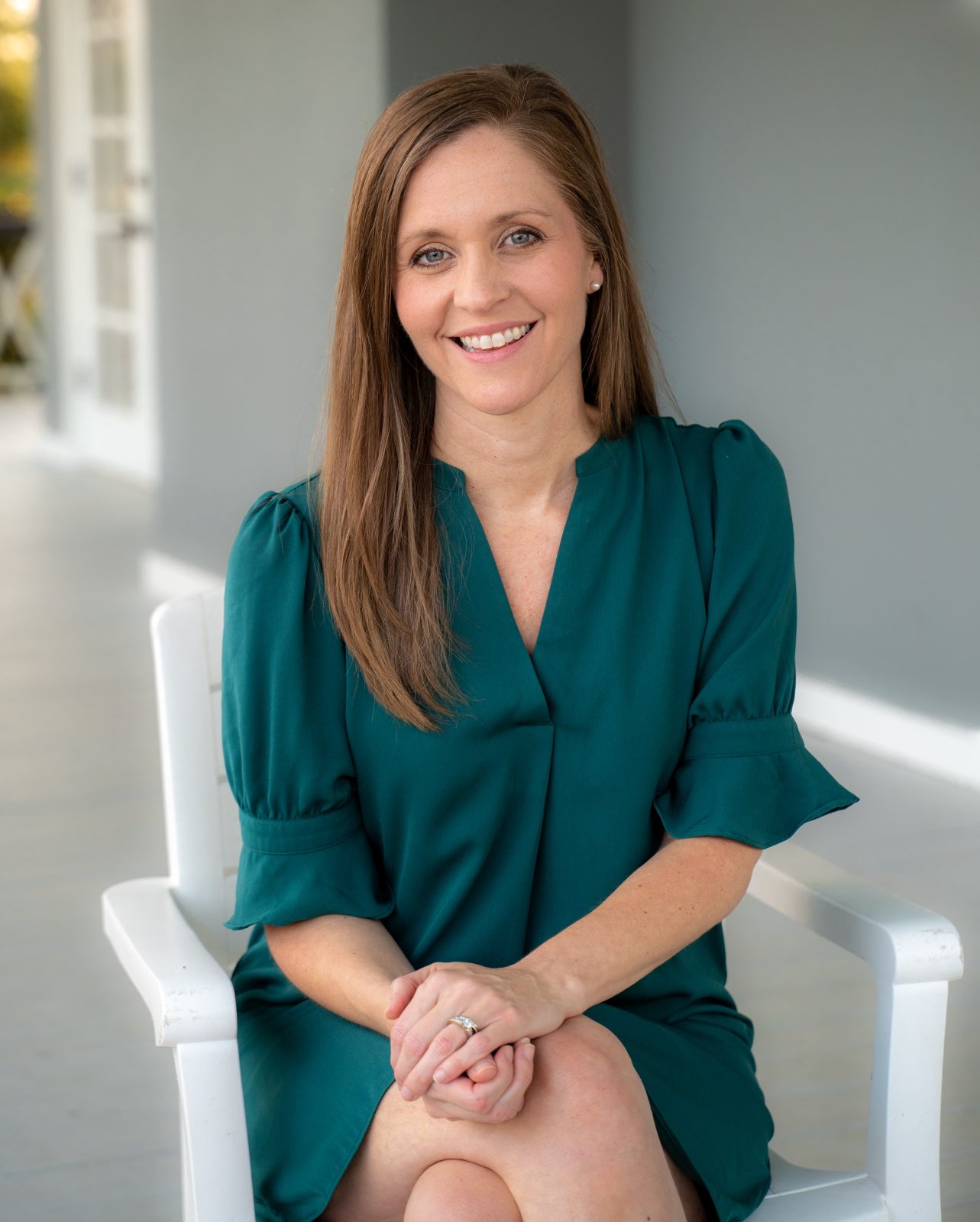
Quotables:
- On caregiving and business continuity: “We take care of, love, and nurture people. That’s great, and there’s a real business continuity aspect to understanding how it all works together.”
- On the profession’s future: “What has made us successful in the past will not be sufficient for our success in the future.”
- On building workplaces people want to join: “It’s not about a bunch of programs we put on the website. It’s about a culture of care, it’s about knowing your people at an individual level, and it’s putting each of those people in a position to win.”
- On innovation: “If we say we want innovation, but we reward the old way of doing things, guess what’s going to happen? We’re going to keep doing things the old way.”
- On culture: “Culture’s truly institutionalized in some ways, and it’s operationalized in others, but it’s also very, very person to person how it gets built or how it gets destroyed.”
5 Key Takeaways
- Caregiving is a business continuity and leadership pipeline issue, not simply an employee accommodation issue.
- Firms need to understand who their people are and design benefits, flexibility, and workplace practices around employees’ actual needs rather than assumptions.
- Younger professionals are not necessarily less ambitious; many want growth, development, purpose, and greater integration between work and the rest of their lives.
- Firms that want innovation must create room for experimentation and learning rather than rewarding only ideas that succeed immediately.
- Culture is built through everyday actions, relationships, and the behaviors firms reward, not simply policies, programs, or statements about what the organization values.
About Kassi Rushing
Kassi Rushing is a nationally recognized strategist and facilitator who works at the intersection of vision, strategy, and people. She partners with CEOs, managing partners, executive teams, finance leaders, and boards across the United States to clarify long-term direction, translate complexity into actionable strategy, and build organizations designed to win in the future of the profession. As founder of Kassi Rushing Consulting, Rushing specializes in strategic vision development and multi-year roadmap creation for public accounting firms and finance teams. She is known for helping leaders move beyond incremental planning and into bold, future-focused strategy that aligns business model decisions, talent strategy, succession planning, technology adoption, and cultural architecture around a shared and compelling direction
Transcript
(Transcripts have not been edited for spelling, grammar, or punctuation.)
Bonnie Buol Ruszczyk: [00:00:00] Welcome to Move Like This, brought to you by the Accounting Move Project and sponsored by Baker Tilly, the Accounting and Financial Women’s Alliance, the Center for Accounting Transformation, and CPA Trendlines. On this podcast, we share ideas and hear from firm leaders and others influencing the profession about what it takes to build better firms, support the people in them, and strengthen the accounting profession as a whole.
Now on to our guest Hello, and welcome to a new episode of Move Like This. I am very much looking forward to a conversation today with Cassie Rushing. She is a strategist and speaker with Cassie Rushing Consulting. So thank you for being here today, Cassie. Tell us a little bit about yourself. Yeah. Well, thank you for having me, Bonnie.
Kassi Rushing: Um, yeah, so I have worked in and with the [00:01:00] profession for the past 20 years. Um, and really just specialize in moving firms forward to future readiness. Um, kind of that intersection of business strategy and people is really my, you know, my preference, and thinking about transformation and future readiness is really my passion.
So that’s, that’s where I am, um, in the trenches with firms most days, um, doing that work. Oh, that’s awesome. Um, and much needed in many cases. Yes. Yes. Well, and as you mention, um, your work sits at the intersection of firm strategy and leadership and culture and communication. Yeah. So as you’re working with accounting firms, are you seeing leaders begin to recognize that people challenges and business challenges are interrelated?
Bonnie Buol Ruszczyk: Uh, or do many of them still see them as purely HR [00:02:00] issues? Yeah. Um, I definitely think we’ve made significant progress, um, in this area. Um, I think, I think people are, you know, our most flexible asset in, in a firm, for sure. Now, there are still some that, you know, in their frustrating moments say things like, “If it weren’t for the people, this would be a great, great business to be in.”
Kassi Rushing: Um, and that’s a little tongue in cheek. Um, no, I think that for the most part our firms are really realizing that, especially in this transition toward, you know, more AI augmented work, um, that people are their greatest asset. Uh, I think some are still trying to figure out what does that mean and how do we put our people in a position to, um, really leverage what’s uniquely theirs, um, to, to do.
But no, I, I definitely feel like over the past, you know, couple decades I have seen that shift, um, and I’m glad. I’m very happy [00:03:00] for that. I think people understand the value that the human brings into the workplace and into the, the client service aspect for sure. So I think we’re seeing that shift. Well, and you know, if, if we’re completely honest about it, if they didn’t have people, they wouldn’t have a firm.
Bonnie Buol Ruszczyk: That’s right. But- That’s exactly right. That’s exactly right. Yes. Well, um, we were talking, um, before this recording- Mm-hmm … um, about a firm that you worked with that added a single question to its- Mm … employee survey- Yes … asking how many of its employees were caregivers. Yes. And of course, in Move this year we’re really digging deep into that topic.
Mm. Um, and you told me that the leadership of the firm expected there to be some, for sure. Mm. But they were shocked to learn that more than half of their employees- Yes … identified that way. Yeah. So why do you think that result [00:04:00] surprised them so much? And what conversations did learning that information start- Mm
Kassi Rushing: within the firm? Yes. Um, so I think that the surprise factor was, was simply because they had never asked the question, which is very typical of employers in general. In fact, you know, when, when we look at some of the recommendations around building places that people wanna work with caregivers in mind, um, the, the, the first step is just know your people.
And, uh, hear me, this is a very caring culture. Um, this is a, this is a firm that has really culture as a strategic advantage on their roadmap. And so that’s the reason we even asked the question. Um, just kinda looking ahead at the hard trends around caregivers and the rise of caregiving roles and the responsibilities, um, in the workplace.
And so it was, you know, a few years ago, and it’s like, “We should know, we should know what this population looks like for us.” Um, [00:05:00] what wasn’t surprising, you know, most people talk about their children or, like, you know, minors who live in the house. Like, most pe- they knew those. What was the surprising factor is that so many of them had dual responsibilities.
Hmm. And so, um, a lot of them were also taking care of aging parents. They were taking care, and maybe not in their home. Maybe they were still, you know, living independently, but they were, they considered themselves the primary, um, caregiver for someone, um, a parent, um, a stepparent, um, a sibling. Um, and so it’s predictive when you look at the future of work because we know that populations are aging.
We know that the average caregiver right now in the United States is early 50s, so they’ve still got quite a bit of runway as far as work goes. So when you think about that firm, then, you know, we said, “Okay, wow, [00:06:00] there’s over 50% of our professionals who have really important jobs outside of-” Yeah … “serving clients.”
And so they just, I mean, practical things, some small, some bigger. Um, you know, the smaller thing, Bonnie, were just things like, oh, we need to be really thoughtful about when we schedule team social time and team bonding time, and that just needs to be an awareness. That just needs to be something people are aware of and feel confident and comfortable talking about.
Um, but that’s only kinda one side of culture, I think, is the, the, you know, the organic pieces. I think they als- they realized that operationalizing some of the support systems- Yeah … um, were important. And so making sure that some of the benefits that they were offering to their people actually aligned with- those roles.
And so they did workshops around, you know, caregiving and, I mean, practical things. Setting boundaries, how to talk about, you [00:07:00] know, your flexibility needs. Um, on the parental side, they set up an entire winning at work program, um, that helped parents transitioning out for paternity leave or maternity leave, like how to prep.
“Here are, here are leave templates. Um, and when you come back…” Um, you know, coaching around ramping back into a career now that you have a different… I mean, it doesn’t sound like rocket science, but it’s the intentionality of it that so few employers, um, really make the investment in. And so I was, you know, th- they say they wanna be a great place to work for working parents and caregivers, and so they’re putting their, their money and their time where their mouth is.
And I think that’s what it, I think that’s what it takes is, is just practically putting that support in place, not just saying, “We hope you find that we support you.” Like, “No, let us show you we support you.” So, and you know, that all came from one question. I like, you [00:08:00] kind of talked about the training and that sort of thing- Mm-hmm, mm-hmm
Bonnie Buol Ruszczyk: because I, in some of the conversations I’ve had, what firms are finding is in some cases, managers who aren’t in a caregiving role themselves- Mm … don’t fully- Yeah … understand the mental load and- Yeah … the time and- Mm-hmm … just effort that goes into being in that role. So understanding that and, you know, allowing for some flexibility and understanding that these are not employees who are trying to get out of work by any means whatsoever.
Kassi Rushing: Not at all. They’re trying to balance all of it- Again, it’s small things, but it can have a huge impact on making the firm a great place to work and somewhere where people want to build their careers and- Yes … move into leadership, hopefully. Yes, absolutely. And, you know, again, the concept here has [00:09:00] nothing to do with working less, it has nothing to do with making less of an impact.
Um, it is very much, though, important, I think, that firms understand that their culture overall is a very important component of whether or not these caregivers can be successful there. And so to your point, if there’s a manager who doesn’t understand the concept of mental load, who doesn’t understand why autonomy and flexibility, when and where someone can perform their job in an outcomes-based environment as opposed to, you know, number of hours or, you know, your rear end in a seat where I can see you, um, it does create some cultural barriers to then that caregiver being transparent about the challenges that they’re facing, asking for what they need, and then you start to see, again, a predictive cycle of looking for other opportunities.
So there’s a retention component that really [00:10:00] impacts business continuity at the heart of this. And so I always wanna bring people back to that there’s a huge business case for this. It- it’s great because we take care of people and we love people and we nurture people. That’s great, and there’s a real bo- business continuity aspect to understanding how it all works together and why it should be something we’re intentional about.
Bonnie Buol Ruszczyk: Completely agree on that point. Well, also when we talked before, we kinda discussed that, and, and it builds on what we were just talking about there, is that firms need to stop viewing caregiving as a accommodation issue- Mm-hmm, mm-hmm … and start treating it as business continuity. That’s a somewhat significant shift in thinking.
Kassi Rushing: Yes. I know I’ve talked to some people in firms who are like, “Well, we should just compartmentalize, you know? When we’re at work, we think about work, and when we’re at home, we think about home.” Yes That is so not [00:11:00] how human beings work. What do you feel like this, um, looks like in practice? Mm-hmm. Other than retention, um- Mm-hmm
are there other things that firms are risking if they don’t make that shift? You mentioned it earlier, it’s not only the retention piece, it’s the leadership development and leadership readiness component. And so again, we go back to, like, what’s the data telling us? The majority of those caregivers in that sandwich places, right, where they maybe have young adult children or, or even, you know, minors still in the home, and have caregiving responsibilities for maybe an aging parent, um, they’re sitting in that 45 to 55 kind of population.
Hello, I’m right there. Mm. Um, and so the, the interesting piece is that women still bear the burden of most of that caregiving role, and that is when the average American woman is hitting the prime [00:12:00] of their contribution to the organization. From their own development, um, from their own knowledge and expertise, um, and also really where we are at this phase of work, their leadership capabilities in terms of managing people and developing people and being the kind of leader that is, um, very, um, successful with leading Millennials and Gen Zs and kind of what they’re looking for out of work.
So the leadership kind of leak that ha- that could potentially happen there, I think could be really devastating to organizations. If I were faced with caring for those that I love, caring for those who desperately need me, and a job, my heart- Yeah … might love that job, but my heart and my soul and my mind and my sense of [00:13:00] duty and value and everything else is gonna go to, to caring for those who have been placed in my life.
And so that introduces a whole new level of business risk. Um, it, long-term client relationships. Um, you know, again, just the impact that I think women make in senior leadership roles- We could talk about earnings. You know, like what happens when, when women are leaving the workforce and what happens to, um, just their earning potential even if they return?
I mean, it’s just, it’s a very, very, um, deep-rooted and deep-seeded issue that’s so much more than, as you said, accommodation of a schedule. Um, and so I think leaders need to, need to take that long view on this and really think about readiness for executive vice president roles if we’re talking, [00:14:00] you know, in the, the, in industry.
Thinking about managers, um, senior managers now and their readiness for, for partner if they’re in a partnership, right? Those aren’t simple accommodation conversations. So it’s a lot to think about when we’re building strategy for our organizations, um, when we’re really building the, the people and the processes.
Bonnie Buol Ruszczyk: Do those allow for, you know, some autonomy? Do those allow for some outcome based, you know, KPIs as opposed to input based KPIs? So it starts to elevate the conversation, which I, I think is our biggest challenge right now. We really need to elevate the conversation. Yeah, I agree. And one of the things that I, I think plays into this a little bit too is this isn’t just happening obviously [00:15:00] at accounting firms.
Kassi Rushing: You know- Correct. Yeah … their clients have- Yes … people in these situations. And, you know, most accounting firm relationships are hopefully very long-term. Mm-hmm. And people wanna work with people that they like and that they share values with, and understand that l- we all have lives outside of the office. I don’t know, I’ve talked to a couple that say that they’ve had clients come to them and say, “You know, we appreciate the fact that you offer this flexibility to Mary, who I have worked with for the last eight years.
And I understand she’s going through some difficult times, and we try to be flexible with our own employees, and we appreciate- Mm-hmm … the fact that you are, and that makes us glad we work with you.” Yes. It’s important on just so many different levels, I think. I think you’re hitting on something that’s incredibly important, because the [00:16:00] entire population are facing these challenges.
I, I also think, you know, firms have an opportunity to help clients think through this, right? Not only to talk about the tax strategy or to, you know, present the board the audit findings, but like also to talk about the realities of getting the work accomplished and sharing best practices when they’re finding something that works.
And I mean, that elevates us from, you know, a, a vendor to really an advisor of our clients. So I agree. I think there are so many, um, ways that client could learn if, if we could, you know, share a little bit more about how we’re doing and doing it well. I think the flip side is, you know, we should understand if our clients are having success in any of this area, and like, can we, can we learn from them?
Bonnie Buol Ruszczyk: So because everyone is navigating it. Everyone, every industry, every business is navigating a version of [00:17:00] this. Um, so yeah. Yeah, for sure. Well, beyond caregiving- Mm-hmm … um, we’re seeing expectations just about work in general changing- Mm … somewhat dramatically. Mm-hmm. Um, employees increasingly expect work to fit their lives and not the other way around.
That is something that Gen Z I think gets a lot of complaints about, but honestly, I think they’re getting it more right than, you know, me and Gen X and the way we were raised and the way we approached work. Mm-hmm. So from what you’re seeing, what assumptions are firm leaders maybe still making- Mm-hmm
Kassi Rushing: about today’s workforce that either no longer holds true today or will certainly not be holding true five, 10 years from now? Yeah. Um, h- how much time do we have? We have all the time you need. [00:18:00] So, I know. So no, I, I think there’s a few assumptions. I think if you, you know, if you go back to your earlier, um, you know, observation about where people say things like, “Well, that’s work, and so that needs to stay outside of, of the building,” right?
I think that’s a very, um, traditional, um, that’s a very baby boomer-ish mindset. And so from a generational standpoint, like you can start to kinda see some, some commonality. And put Gen Z on the opposite end of that spectrum, where they say, you know, “Work is a subset of life, and all the parts of my life must work together.
Um, I wanna be thriving in all those areas.” So- How we think about that, we, we cannot expect that someone who has specific challenges outside of work with a friend, a family member, their car broke down, for that to not enter into the conversation or to perhaps [00:19:00] impact the practicality of getting the work done.
Um, so there’s, there’s that component. I think the other assumption though is that that is being equated to some extent of… I’ll use the word laziness. It’s not exactly laziness. A lack of ambition. I don’t see that at all. In fact, the data says that Gen Z want career development. They wanna be shown a path forward.
Now, interestingly, they don’t necessarily aspire to the highest levels of leadership roles. Maybe they’re not chasing the title, but they do wanna grow, they wanna develop, they wanna be compensated for what they’re contributing to an organization. But maybe where prior generations were very okay with, “Just tell me what to do and I’ll do it,” we very much now have, you know, even in our Millennials and, and Gen Z, they’re saying, [00:20:00] “Hey, tell me why I’m doing this.
Like, what’s, what’s the purpose? Why does it matter?” Um, and then purpose in terms of, what’s the impact that this is making? How is this impacting the world? How is this impacting the community? Um, and I think, I think accounting firms have such a story to tell here because the impact that they make on client lives and clients’ businesses, I mean, it’s an everyday thing.
And so I think mining for that and helping tell the story of purpose would help make those connections sometimes that, that Gen Z’s missing, and then we misinterpret as, you know, lack of ambition or maybe they’re not as motivated, and I don’t think that’s it at all. I, I think they need a bigger why, and it’s our job as employers to make sure they know the why, whether it- The big purpose of the whole organization or whether it’s why [00:21:00] you’re asking them to do a particular, you know, review of, of a document.
It- they need to know the why, and so we can coach them through that. Those are easy adjustments for us to make to help them, help them want to be a part of, of what we’re doing in our organizations. Yeah. I agree. And I think in some cases I’ve heard that, “Well, this is the way we’ve always done it,” and that does not, uh, go over well with- No
Bonnie Buol Ruszczyk: this generation. No. And frankly, I think in many cases- Yeah … it’s good to look at- Absolutely … “Wait. Why do we do it this way? And is there- Yes … a better way to do it?” And with AI coming into- Mm-hmm … our daily lives- Yes … it’s kind of the perfect time to look at- It is … some of those and think about that. It is.
Kassi Rushing: And the, you know, the idea that- Doing something because it’s always been done that way, that drives me crazy, um, in particular. [00:22:00] One of the big assumptions on a broader scale that’s not generation-based, but it’s rooted, I think, in the history of the profession, is that because we’ve been successful doing things a certain way, that we will be successful going forward if we continue.
And that, that is not accurate. That is a flawed mind- that, that is going to catch up very fast. Um, I think it’s coming like a, a freight train, um, that what has made us successful in the past will not be sufficient for our success in the future. And so having those conversation about why do we do this, um, and what are the other opportunities here, um, and with a generation that isn’t, you know, held back by a lot of memory of path, I think that’s a great way to really help them have some purpose in the organization, um, and feel like they’re contributing early.
So there’s definitely an option for employers [00:23:00] there to do a couple things, not just bring the generation along, but also help reinvent themselves, um, for from a business model standpoint, from a service offering standpoint, from a employee experience standpoint. I think they’ve, they’ve got so much, so much, um, opportunity to have those conversations with people who aren’t kind of, you know, I won’t use…
Bonnie Buol Ruszczyk: well, jaded maybe, jaded by the way it’s been over the past- Yeah … 100 years or so. Well, yeah, and I think sometimes w- those in leadership don’t necessarily think they have a lot to learn from people that haven’t- Mm … been in, say, an accounting firm or a role or client service- Yeah … for as long as they have.
But I think having those conversations, just being very open-minded. And yeah, the 25-year-old that just started at your firm doesn’t have that experience, but- [00:24:00] that you have, but they may have a way of looking at problems in a different way that- Yeah … you should consider. Or maybe there’s a happy middle ground there that can revolutionize how you serve clients or do particular types of work.
Kassi Rushing: And, um, you know, I think that is something that I don’t see happening as often as it should, but I’d love to see it more. I agree. And, you know, even if they maybe don’t have a better solution, the power of a perfectly timed question. Yeah. Right? So maybe they’re, they’re just asking the question to understand.
I think that, for me, has been some light bulb moments- Mm-hmm … um, along the way to help me go, oh, wow, we, we really are, you know, just kinda relying on past history here, and there is a huge opportunity to, to reimagine this or [00:25:00] to do something that no other firm is doing yet. I kinda have a history of, you know, dreaming things up and, you know, I can remember my managing partner when I was in a firm saying, “Well, who else is doing it this way?”
And me being like, “I don’t know, but I think we should try. And I haven’t found anyone yet, but why shouldn’t we be the first?” Yeah. And so I think, I think the question, i- in and of itself, leads to innovation, it leads to, to improvement. So maybe the 25-year-old doesn’t have the solution, but man, the power of a perfectly timed question could really help that senior leader solve differently for, for a longstanding problem.
So there’s power. There’s certainly power in intergenerational, um, activities in our workplace. Yeah. That collaboration and- Yes … but there has to be that willingness to- Have the conversations and listen- Yeah … to others and take that in and process it in a way that is [00:26:00] collaborative, and with the goal of being a better firm, serving clients better, whatever that is.
Bonnie Buol Ruszczyk: You know, I agree, I think there’s a lot of opportunity there. I do too. I do too. We have spent years, uh, talking about recruiting and retention- Mm-hmm … and how do we do that in a better way, but I’ve been thinking about this a lot and I’m wondering if maybe we’re asking the wrong questions sometimes. Mm-hmm.
So instead of focusing on how do we keep people- Mm-hmm … uh, I’d love to see more firms asking how can they build organizations that people don’t wanna leave and where they do wanna stay and where they do wanna build their careers. And we kinda touched on this a little bit, but, um, I’d love your take on that.
Kassi Rushing: Yeah, I completely agree. The w- the work of Daniel Pink, if he come [00:27:00] to mind here, you know, when he talked about- … having that organization full of performers who have that intrinsic motivation, right? They are self-driven, they’re excited to take on tasks. It- it’s not rocket science what it takes, right? They need autonomy.
So they need to be able to choose to, in some degree, when- They work where they work, even what they work on, um, and how they go about some of those problem-solving. So the autonomy piece, the mastery piece, they need to be given the, the tools and the skills and the relationships that help them be great at their jobs.
Um, they need to be stretched. They need to be told, like, you know, “You’re capable of X, Y, Z, and so we’re going to equip you for that.” That, um, you know, I think is why a lot of our learning and development programming in [00:28:00] accounting firms is so subpar right now. I think, um, they don’t make the connection into mastery and really reaching their own potential.
They just see it as a check-the-list, you know, um, or, or complete a list thing. But that autonomy, the mastery, and then purpose. And building places that people wanna work and that people want to own has to be tied to purpose. Um, and we talked about that a little before. Um, I don’t think employers have the responsibility of helping people find their big P purpose, okay?
Like, their life purpose. Although some will find it in our firms and in our organizations. But I do think that they have a role and a responsibility in helping individuals with their little P purpose. So like we said before, the purpose of our organization, our purpose in serving clients, our purpose in, you know, the employee experience we’re [00:29:00] working to create.
Also, the purpose in you correcting this work paper . The purpose in you being asked to, you know, assemble this research. And so if we could just kind of think about those three buckets- As part of how we build a place that people wanna work and hopefully eventually want to own, um, those are the places that are magnetic.
Those are the places that people want to be a part of. Those are the places that people tell their friends about. Mm-hmm. Those are the places that people are like, “You’ve got… Like, you’ve gotta call. Like, you, there… I know there’s not a posting, but, like, still call.” And, and, and I’ve seen that happen. So that’s not just pie in the sky, like, dreaming.
I’ve seen that happen. And I think when you come back, it’s not about a lot of window dressing, right? It’s not about a bunch of programs we put on the website. It’s about a culture of care, [00:30:00] it’s about knowing your people at an individual level, and it’s putting each of those people in a position to win.
Mm-hmm. And if we can do that, like, we become places that people don’t wanna leave. We become organizations where, where people are thriving. And if our people are thriving, our clients are thriving. And that- And so that to me is, it’s, it’s a great thing for firms to realize, because those are internal opportunities.
You know, we look around, and there’s so much going on in the profession right now, and some of it can feel very, like, outside in. But this is one of those places, like, we’ve got ownership over. We can make choices about what it’s like to build a career here. We can make choices about what we prioritize for our people here.
We own those decisions. And so we have a lot of control. We have a lot of power in that. I think that’s something that firms maybe haven’t [00:31:00] recognized as powerful as it could be in, in the entire shift that, that we’re facing as a profession. Um, so I, I find a lot of hope in that. I find a lot of optimism in that.
Bonnie Buol Ruszczyk: Um, I would love for more firms to, you know, see it that way and build their people strategy kind of in those, in those lanes. W- what’s the phrase? I think it’s really simple. Not easy, but it’s really simple. Yeah. I have a couple thoughts on what you were saying there. Yeah. On the mastery thing- Uh-huh … I think one of the things that is important to build into your culture, and not all cultures have this- Mm-hmm
is, um, that it’s okay to make mistakes. Yes. Now, you don’t want to, you know, file a tax return that is inaccurate, but there’s a process in place where there’s a sign-off, so somebody’s- Yeah … looking at that and- Mm-hmm … can fix it. But where it’s safe [00:32:00] to kind of go beyond maybe where you feel safe and- Yeah … to maybe make some mistakes, and then to, rather than being like, “You made a mistake and this is bad,” to say, “Hey-” Yeah
Kassi Rushing: “How, why did you make this decision?” Mm-hmm. And, uh, you know, kind of use that as a teaching moment- Yeah … where people feel like, “Oh, okay, I can, I can learn from this.” And I think that’s an area where I don’t see it as often as I would like. I agree. You are spot on, Bonnie. Um, couple things are coming to mind, you know, um, Brene Brown’s work, um, she, she talks in some of her work about, you know, um, tea- we don’t teach people how to fail.
Yeah. Um, it’s just not a skill set. I believe that, you know, right now some of the greatest competencies that we could be equipping our people with are, are skills like resilience. Yeah. Um, you know, teaching them how to bounce back after a [00:33:00] mistake. Um, I think it’s particularly hard in the accounting profession, though, because it is such a profession built on, you know, accuracy, built on being correct, um, being many times the most technically smart person in the room.
So I think that this is a, it’s a real sensitive topic, because while firms will say, “We want innovation-” I’ve also seen firms that when that innovation didn’t work out, maybe a new service line that someone was trying, maybe a new approach to business development, and when it didn’t work, they, they held that against that individual for a really long time.
We have really long memories. And so we have to change a culture around that where, you know, I have a, I have a mentor, he used to say, “You know, failing can’t be fatal.” Right. And I, I used to tell [00:34:00] my own team, like, “I will let you fall, but I won’t let you fail.” Like, I want you to learn, and so I’m gonna let you make some micro mistakes so you don’t make the monumental mistake.
Yeah. Um, and so I think that building that in, and then the and to that is we’re all going to be required to transform on multiple fronts. And with that come things that aren’t going to work the first time. Yeah. And so our organization have to adapt and shift in not only what we say that we want, innovation, transformation, new ways of doing things, bring us all your ideas, we also have to reward for that.
Because the other thing about this, this idea of failing and, um, and transformation and culture work and how it kind of all goes together is that if we’re not rewarding the innovation, not just the innovation that works, but the innovation that could potentially lead us to [00:35:00] another two or three iterations down the road that wins, people will not bring you new ideas.
Mm. People will not get curious about how could this be improved. And so there’s a- also a reward component that has to be operationalized in our firms to show people what we really care about. Because let’s be honest, what we reward is what people are gonna do. And so if we say innovation, but we reward the old way of doing things- Guess what’s gonna happen?
Bonnie Buol Ruszczyk: We’re gonna keep doing things the old way. And everybody is watching. Everybody’s watching, yeah. And, and your- Absolutely … your young people who, you know, maybe aren’t confident enough to come to the table with a new idea, but- Mm-hmm … are thinking about that, um, if they see somebody doing that and then getting punished or, you know- Yeah
Kassi Rushing: like that happening, oh, they’re taking all that in and going, “Okay- Absolutely … this is dangerous to do, so- Yeah … I’m [00:36:00] not gonna do that.” And you could be losing out on so many really great ideas. Absolutely. I mean, and even in like let’s come back to this like concept arou- around caregiving. I think the conversations around what’s working, what’s not working, what I tried as, as a caregiver that I have found to be really helpful, or what didn’t work and why I’m not gonna do it that way anymore.
I think, I think too sometimes we try to make culture so institutionalized and we forget that really culture’s built person to person, one, you know, kind of one moment at a time. And so I also think in that idea of failing, normalizing, normalizing the feeling of not always getting it right. Normalize the feeling of I’m not sure what I’m gonna do or how I’m going to approach this.
Those breed cultures that people can trust in each other, people can be more [00:37:00] vulnerable with each other, um, and then people can raise their hand and say, “You know, I’m having a really hard time with my ex-family situation and I need my team to cover for me.” Um, tho- that doesn’t… That also doesn’t happen just because there’s a policy in play.
And so talking about personal failures, talking about personal wins in some of these- life roles and life stages that we’re in. I think that’s, that’s also a place that just as an individual in an organization, we can make a real difference, um, just by owning our voice and owning some of the, the things we’re learning along the way- Mm-hmm
to help those that maybe who are gonna come behind us do it better or do it differently, or maybe learn from our mistake instead of having to experience it for themselves. You know, culture’s truly institutionalized in, in some ways, and it’s operationalized in others, but it also, it’s also very, very person to person how it gets built or [00:38:00] how it gets destroyed.
Bonnie Buol Ruszczyk: That’s something I think more business leaders need to keep in mind. What they see, what they hear people talk about ultimately becomes the culture. Yes. And, and you hit on something there that, um, I think is really important is I, I think sharing what you’ve learned from mistakes and mistakes that have happened and that kind of thing is important for everyone, but I think it’s particularly important with the senior levels at the firm.
Kassi Rushing: Agree. Because that, that is where, you know, you have a little bit of vulnerability, but it allows others to say, “Oh, hey, if so-and-so who’s been doing this for 30 years ma- still makes occasional mistakes and such, then okay, it’s, it’s gonna be okay for me to do so from time to time.” And we’re not encouraging people to go around and screw up necessarily.
No, not at all. Not at all. But we all do. And I know from my own personal experience, I learn more [00:39:00] from failures than from successes. Of course. Of course we do. Of course we do. Yeah. Yeah. Well, we could talk all day, um- We could. We could … but I so appreciate your, uh, wisdom and this conversation, and I wanna end with just a couple of fun questions.
Bonnie Buol Ruszczyk: Okay. Sure. So Cassie, when you were a young child, five years old, six years old- Okay. … whenever you can remember, um, what did you wanna be when you grew up? Okay. So when I was five, um, I, I wanted to be a professional cheerleader Um, my mom was a cheer coach. Um, true story though, at five years old I set my first long-term goal because at 18, um, or my senior year of high school, I knew that cheerleaders who made All-American could go to Hawaii over Christmas and cheer at the Aloha Bowl.
Kassi Rushing: And so when I was five years old, I said, “When I’m a senior, I will make [00:40:00] All-American, I will go to Hawaii, I will cheer in the Aloha Bowl.” And so I did. And so I set that goal when I was five years old. Cool … and worked toward it, and so that’s what I remember about five years old and what I wanted to be.
Later it became other things, but five years old it was a professional cheerleader. That is so cool that you actually did that too. Yeah. Well, I grew up around it, right? My mom was a, was a cheer coach, so it was all, it was all around me all the time. But- It was in your family culture. It was in my family culture.
Bonnie Buol Ruszczyk: Very much. Very much. Well, we now know you’ve been to Hawaii, but- Yes … if you were given a chance to travel anywhere- Mm … for free, don’t have to worry about time off, all those sorts of- Yeah … things that can best from- Mm … hopping on a plane tomorrow- Yep … um, where are you going and why? Yeah, easy. Um, Israel. Um, so I have always wanted to really visit kind of the, the birthplace of civilization.
Kassi Rushing: I’ve always wanted, um, to really explore some of the, the [00:41:00] ancient world that’s so precious to my faith. Um, and so yeah, I would, I would go to Israel in a heartbeat. Um, yeah, that would be it for sure. Awesome. Well, and finally, if you could have a superpower, what would it be? Oh, I would be able to teleport so I could not be in the Atlanta airport anymore.
So yeah, if I could just pop to all the different, you know, client locations and speaking engagements and all, all the things, that would be my superpower. That is by far our most, uh, popular superpower. And being that I live in Atlanta, that’s my home airport, and- Yes … I don’t hate it. Um- Yeah … but it’s also because I’m there so often, I know how to whip around.
Bonnie Buol Ruszczyk: Yeah. I know where you get the good coffee. I know – Sure, sure … all those things. Absolutely. But I very much understand the frustration with having the, you [00:42:00] know, the, the joke is you have to go through Atlanta to get to heaven or hell. That’s right. That’s right. And I, um, I have a little small regional airport, Bonnie, so my connection is always in Atlanta, so I’m there a lot, a lot.
Kassi Rushing: I have a favorite lounge. I have a favorite all the things, right? Like I have- Yeah … I have my routine. So, but yeah, Atlanta’s, Atlanta’s a beast, that’s for sure. They move some people through. Yeah. Well, it is the biggest airport in the world, and we go back and forth, it’s the busiest between Atlanta and O’Hare.
Bonnie Buol Ruszczyk: Mm-hmm. So, um, yeah, it’s, it’s quite the, quite the hub of travel for- It is. But how amazing, right? Like, how amazing that we can be our world and we can go be in offices with clients. Like, it’s also kind of wonderful. It is. Well, thank you so much. Um, I, I really appreciate your time. Yeah. And- My pleasure … um- Thanks for having me.
Kassi Rushing: Yeah. And hopefully we can do [00:43:00] it again sometime and- Would love that … dig into some other topics. Thank you, Bonnie. Thank you. Thank you for listening to Move Like This, brought to you by The Accounting Move Project and sponsored by Baker Tilly, The Accounting and Financial Women’s Alliance, the Center for Accounting Transformation, and CPA Trendlines.
Bonnie Buol Ruszczyk: If you’d like to learn more, visit our website at accountingmoveproject.com. Don’t forget to subscribe and share with your friends and colleagues too. I’m your host, Bonnie …, and until next time, keep moving forward.