11 Best Practices for Partner Compensation

BONUS: Seven systems to allocate income … and who uses them.

By Marc Rosenberg
How to Bring in New Partners

It would take a book much longer than this post to properly explain the finer points of partner compensation, especially how each of the major compensation systems works. Oh, did I forget? We wrote such a book, “CPA Firm Partner Compensation: The Art and Science.”

MORE: Fifteen Steps to New Partner Buy-in | What Buying In Actually Means | How Partner and Staff Actions Impact Profits | Nuts and Bolts of Mentoring Staff | Nine Ways to Measure Staff Performance on the Path to Partner | Sixteen Duties of a Partner | Five People to Keep Out of Partnership
GoProCPA.comExclusively for PRO Members. Log in here or upgrade to PRO today.

Best Practices and Key Concepts

As is the case with all of my lists, no one firm incorporates all of these practices in its partner compensation policy. But I have observed all of the practices below in one or more of the best firms I’ve worked with over 20 years.

  1. Performance-based. There should be a strong link between pay and performance. When it comes to CPA firm performance and profitability: As the partners go, so goes the firm. The partners have a much greater impact on the firm’s success than professional staff and other personnel. If they perform at a high level, the firm will do the same. If partner performance lags, then the firm will suffer. Therefore, the firm needs to motivate the partners to produce at high levels and reward them accordingly. Compensation isn’t the best way to motivate anyone’s performance, but it is effective.

READ MORE →

Nine Standards for Partner Compensation

Number 9 created by gaps between many small green plastic 9'sPlus six questions to ask about your plan.

By August J. Aquila
What Makes a Great Partnership

Ever wonder what the most appropriate partner compensation system is for your firm and how to assess partner performance?

MORE: 12 Points of a Good Compensation Plan | Rate Managing Partners in Six Areas | Five Ways to Keep Your Edge as a Leader | Managing Partner: The Toughest Job in the World | Why Partners Need Written Goals | Eight Criteria for Partnership | How You Can Get Partners to Change
GoProCPA.comExclusively for PRO Members. Log in here or upgrade to PRO today.

A firm’s compensation system is a reflection of its culture and external competitive factors. When was the last time you gave your partner compensation system a checkup?
READ MORE →

12 Points of a Good Compensation Plan

Green checks being made on checklistHow to reward partners.

By August J. Aquila
What Makes a Great Partnership

During the last 13 years I have focused a large part of my practice on helping firms develop compensation plans. A critical element in keeping partners engaged is having a compensation system that rewards them for doing the right things. Here’s what I found to be some of the best practices.

MORE: Rate Managing Partners in Six Areas | Eight Ways Managing Partners Make a Real Difference | Five Reasons That Leaders Fail | Eleven Things Partners Must Do | Seven Keys to Becoming an Equity Partner | How to Achieve Partner Unity | The Seven Building Blocks of a Great Partnership
GoProCPA.comExclusively for PRO Members. Log in here or upgrade to PRO today.

  1. Every compensation plan should be constructed to help the firm enhance its ability to service clients, achieve its strategic goals and attract, reward and retain the right people. If a firm’s plan does not accomplish these objectives, it needs to be restructured.

READ MORE →

OUTLOOK 2023: Compensation Gets Creative

Accounting will be an attractive career choice again.

By Carl George
The Rosenberg MAP Survey: National Study of CPA Firm Statistics

There has and will continue to be a significant number of private equity transactions. As with any major shift of ownership in the past, there will be some fallout – partners, staff, niches, clients, etc.

MORE: OUTLOOK 2023: The Office Is Over | 2023 OUTLOOK: Private Equity Comes for Accounting Firms
GoProCPA.comExclusively for PRO Members. Log in here or upgrade to PRO today.

That is natural as what we will witness is the creation of new firms and opportunities for those who choose to depart. Just look at the new firms that have started in the last five years – that is one way the profession stays young, fresh and entrepreneurial – new players practicing in different ways.
READ MORE →

What New Partners Should Know About Buyouts

Man's hands on pile of moneyBONUS: 28 main provisions.

By Marc Rosenberg
The Rosenberg Practice Management Library

This article summarizes key points that new partners should know about CPA firm partner buyout plans. If you want greater detail, you’re in luck. We devoted an entire book to the subject, CPA Firm Partner Retirement/Buyout Plans.

MORE: Comp: What New Partners Don’t Know | Making Partner: 15 Steps to the Buy-In | Drive Your Profits with Only Four Metrics | How to Create a Path to Partner
GoProCPA.comExclusively for PRO Members. Log in here or upgrade to PRO today.

One of the benefits that new partners receive in exchange for their buy-in is that they will receive a buyout when they retire. This amount can be in excess of a million dollars at many firms. Receiving a retirement buyout is one of the major reasons becoming a partner is so lucrative.
READ MORE →

Comp: What New Partners Don’t Know

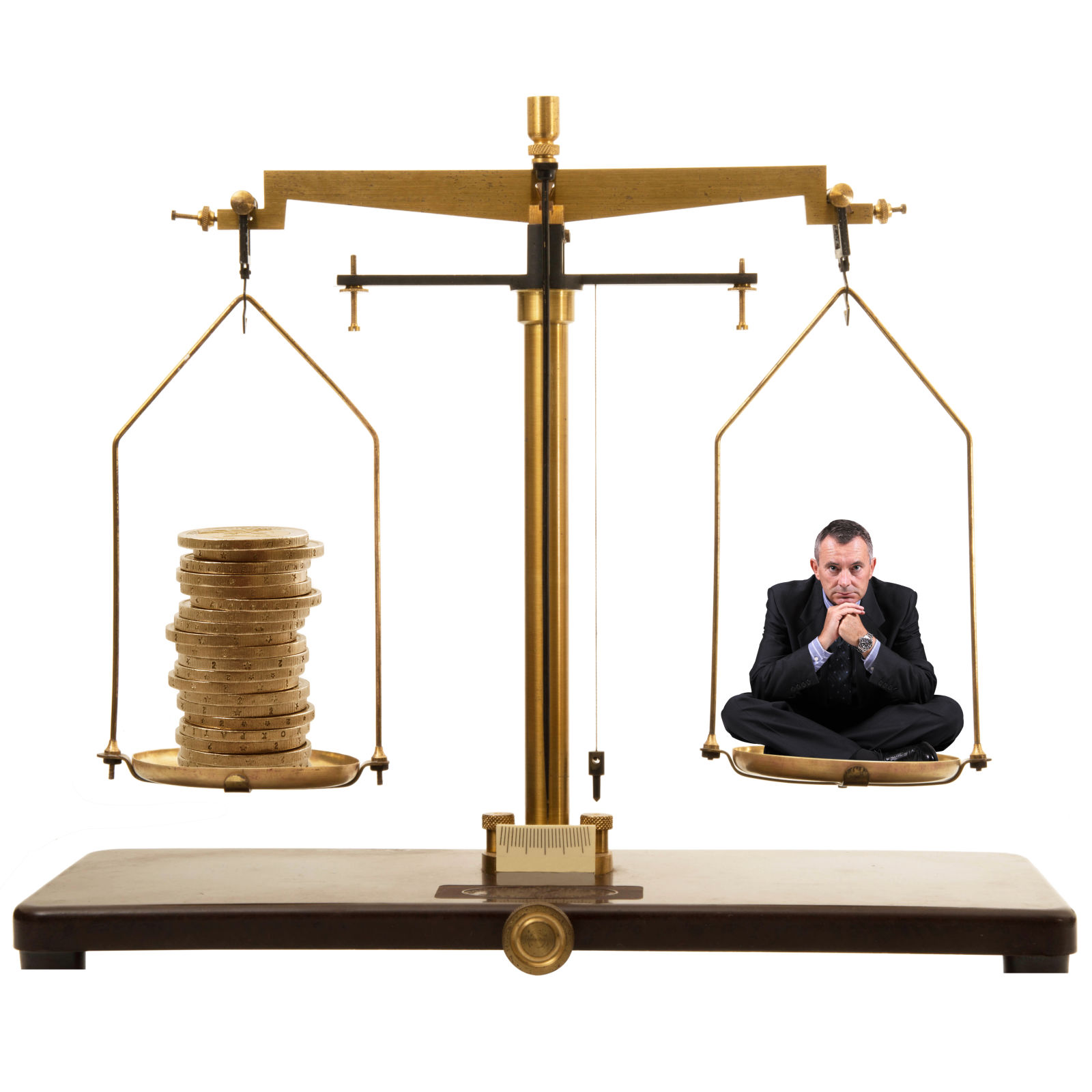
Businessman sitting on scales with stack of coins in other trayBest Practices: Top firms use these seven systems for allocating income.

By Marc Rosenberg
The Rosenberg Practice Management Library

It would take a book much longer than this post to properly explain the finer points of partner compensation, especially how each of the major compensation systems works.

(Oh, did I forget? We wrote such a book, CPA Firm Partner Compensation: The Art and Science.)

MORE: Making Partner: 15 Steps to the Buy-In | Making Partner: Do the Math | A Crash Course in the Business of Public Accounting | Making Partner: What Managers Need to Know | Nine Reasons People Are Promoted to Partner
GoProCPA.comExclusively for PRO Members. Log in here or upgrade to PRO today.

As is the case with all of my lists, no one firm incorporates all of these practices in its partner compensation policy.

But I have observed all of the practices below in one or more of the best firms I’ve worked with over 20 years.
READ MORE →

Partner Compensation: A Potent Weapon

If the executive and compensation committees aren’t one and the same, they at least should have heavy overlap.

By Marc Rosenberg
The Role of the Managing Partner

Does compensation motivate partner performance?

I’ve done a lot of research on this over many years. The short answer: Yes, money motivates performance, but it’s often not the best motivator.

MORE: The Managing Partner’s Secret Weapon | How to Enforce the Partner Agreement | The 9 Biggest Merger Pitfalls | 10 Ways to Hold Partners Accountable | Make Sure Partners Focus on Two Things | How the Managing Partner Manages the Partners
GoProCPA.comExclusively for PRO Members. Log in here or upgrade to PRO today.

The managing partner can best impact partner performance by the following:
READ MORE →

Compensation Is No Way to Manage Partners

Man counting $100 bills into three piles6 ways to combine it with personal interventions.

By Marc Rosenberg
The Role of the Managing Partner

Too many firms’ primary way to manage partner performance and hold them accountable is with compensation. Their reasoning is this:

MORE: Make Sure Partners Focus on Two Things | Manage Partners with Goal Setting | Overarching Authority That Managing Partners Must Have | Herding Cats: Advice for Managing Partners
GoProCPA.comExclusively for PRO Members. Log in here or upgrade to PRO today.

If partners perform well, they will see their reward in the form of higher compensation. If partners perform below expectations, they will get the message in the form of a disappointing compensation number. Other methods are not necessary. It’s all about the money.
READ MORE →

The Finance Side of Goals and Compensation

Man counting $100 bills into three pilesRemember the “one firm” concept is at the core of this discussion.

By Tommye Barie
The Succession Insitute

Previously we reviewed the goal-setting process, including which person or group should orchestrate which parts of it. Now we will conclude the discussion by walking through the financial side of assessing goal accomplishment and how it works when considering actual firm profits.

MORE: The Partner Comp Battleground | If You Don’t Eat What You Kill, What Do You Eat? | 3 Ways to Emphasize the One-Firm Concept | 8 Steps for a Successful Change Process | Building Competency on Every Level | Change Happens: How to Master It.
GoProCPA.comExclusively for PRO Members. Log in here or upgrade to PRO today.

Let’s start with some statistics from our latest Succession Planning survey, which we did in partnership with the AICPA’s PCPS. The following tables show information regarding compensation systems, broken down by size of firm (by full-time equivalent [FTEs] which includes everyone, from administrative to staff to partner): READ MORE →

The Partner Comp Battleground

Businesswoman holding giant dollar symbolWho decides and how, including setting and monitoring goals.

By Tommye Barie
The Succession Insitute

Previously we reviewed the goal-setting process, introduced how the managing partner should orchestrate the partner goal-setting process and discussed why the goals should be based on normal expectations of any partner rather than on the exceptional performance of a specific partner. Now let’s discuss who is in charge of what parts of the compensation-setting process and more.

MORE: If You Don’t Eat What You Kill, What Do You Eat? | 3 Ways to Emphasize the One-Firm Concept | 8 Steps for a Successful Change Process | Building Competency on Every Level | Change Happens: How to Master It.
GoProCPA.comExclusively for PRO Members. Log in here or upgrade to PRO today.

Who’s in charge of what parts of compensation?

Once the decision has been made to implement systemic changes to hold partners accountable to specific performance expectations rather just relying on everyone to put in a self-proclaimed “good day’s work,” the next battleground is how compensation is determined and who is responsible for which parts of the process.

READ MORE →